Is Rosewood becoming a student hub? Residents fear ‘the next Olympia’ in Columbia
On South Edisto Street, flanked by train tracks on one side and Owens Field airport on the other, sits a vacant lot that’s been on the market for the past decade.
When a plan to put 90 townhomes there came before Columbia City Council in September, some longtime residents said they feared the proposal would be the tipping point in the gradual transformation of Edisto Court, a traditionally affordable and largely Black neighborhood.
“I think a lot of people now are trying to come around here and buy up property, sell it to developers and put in what they want,” said Angela Lewis, who lives blocks from the vacant lot.
Though the plan was defeated, residents in the various neighborhoods south of Rosewood Drive say their working class community could become the city’s next mecca for student housing thanks to lax zoning rules and relatively inexpensive properties.
What’s happening in Rosewood is part of a global trend often referred to as “studentification.” As housing in college towns dwindles, a greater portion of what’s available is being marketed to student renters who are willing to pay a higher premium.
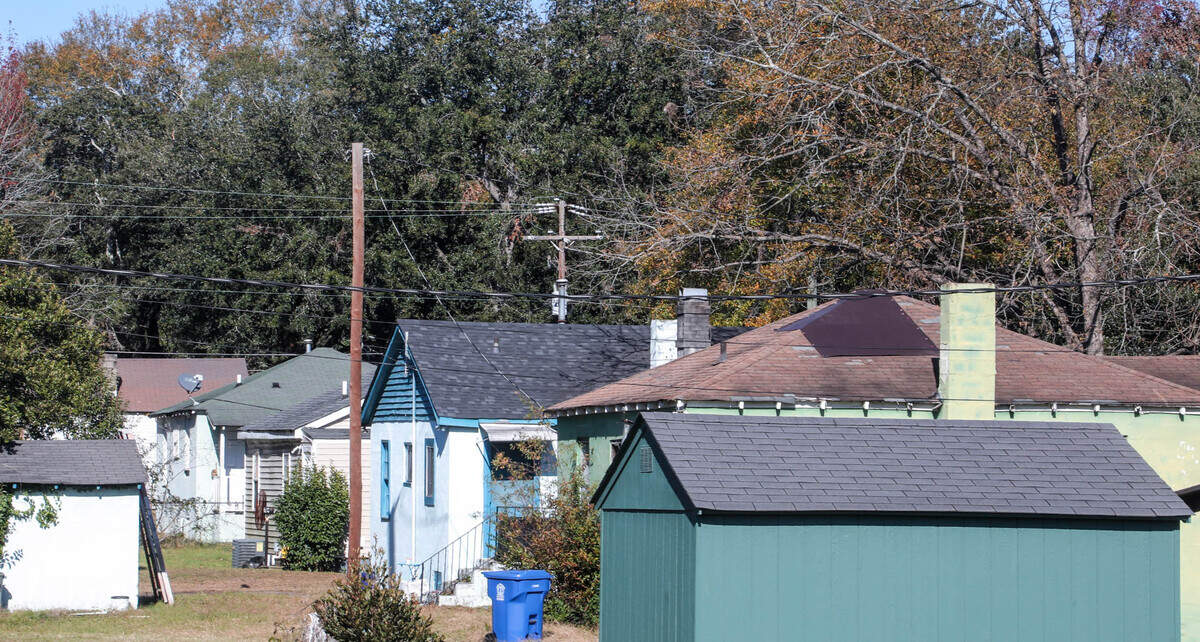
“Student housing drives up costs for young professionals and for young families,” said City Council member Will Brennan, whose district includes the Edisto Court, Central Rosewood, South Waccamaw and South Kilbourne neighborhoods. “There’s such a wonderful culture and vibrancy in that part of the city and we don’t want to see that go away.”
In the past five years, average home values have increased by 27% in Edisto Court, 20% in South Waccamaw and 19% in Central Rosewood, according to data from the real estate website Zillow. That’s compared to a 17% increase for the city as a whole.
If this trend continues, Lewis said longtime residents may not be able to afford to stay much longer.
“It feels like they’re trying to drive out a lot of the older people here and that’s not fair,” she said.
Just this month a local developer unveiled plans for three new duplexes on South Saluda Avenue. Rent for the four bedroom units is priced at $3,100 a month. Average rent for the 29205 zip code is about $1,020, according to data from Zillow.
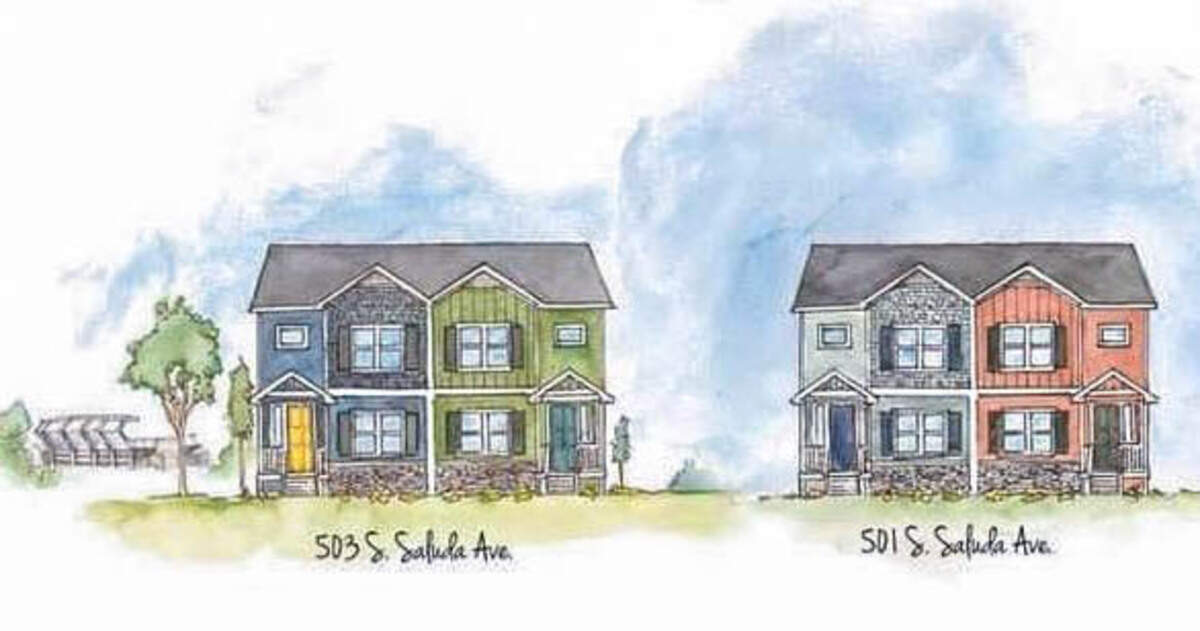
The announcement also sparked concerns from those who felt the project would not blend well with the surrounding neighborhood.
“That’s like putting a frat house in the middle of single family houses,” said Mike Ely, vice president of the Rosewood Community Council. “When you have ten cars parked on the street and new people moving in and out every year, that’s not really who you want as a neighbor.”
Other residents, like former Rosewood Community Council President Mike Miller, contend that Rosewood has long been spared from the kind of massive student housing developments that have been built on Shop Road or in the Olympia neighborhood.
“There’s always been students living in Rosewood because of cheaper rents,” he said. “Plus the proliferation of apartment complexes that have gone up around town may have actually taken students away from single family dwellings here.”
Though Rosewood has long maintained a diverse mixture of students, retirees and families, “every year there are more students in the city and fewer available properties,” said Bob Amundson, a Rosewood resident and former affordable housing developer.
This is forcing landlords and developers to set their sights beyond Shop Road and Olympia.
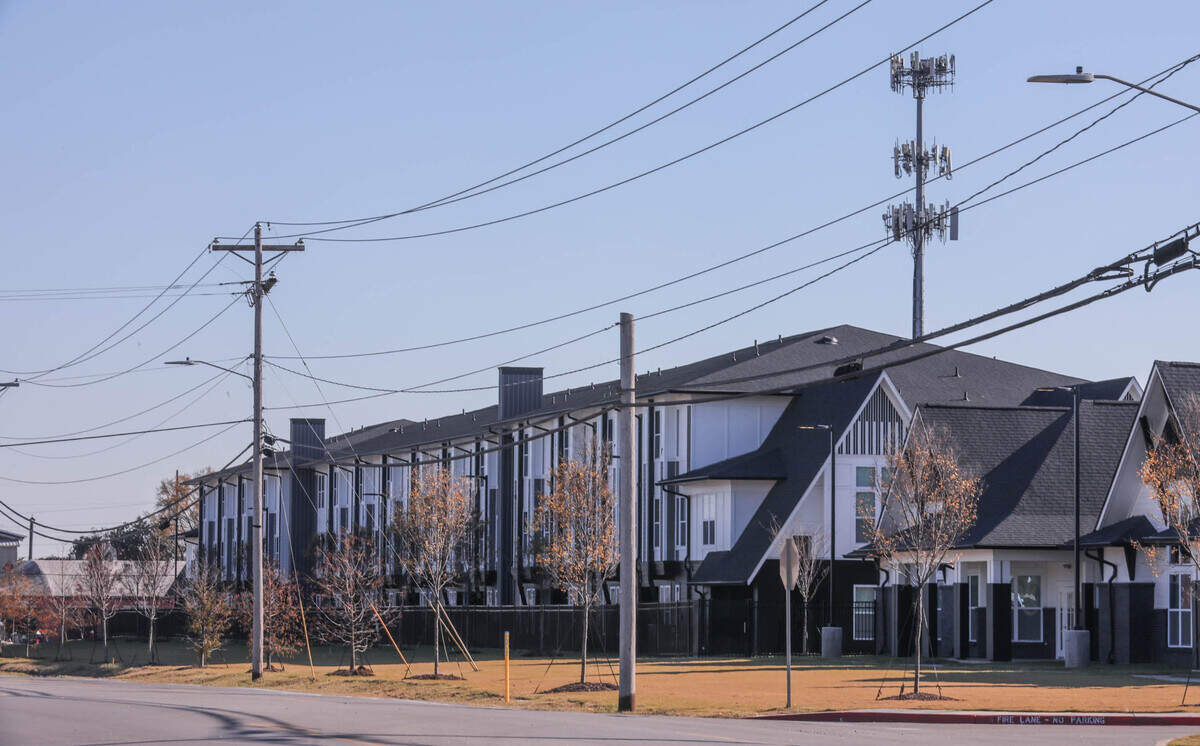
Rosewood’s proximity to USC’s campus and Williams-Brice Stadium makes it an enticing location for student housing. And unlike other neighborhoods that surround the university — such as Shandon, Hollywood Rose Hill and Wales Garden — the neighborhoods south of Rosewood Drive don’t have community character overlays or design preservation rules. Fewer zoning restrictions mean developers have fewer hoops to jump through when building or renovating.
Property in that area is also cheaper than in other nearby neighborhoods. The average price for a home is about $90,400 in Edisto Court, $164,600 in South Waccamaw and $172,000 in Central Rosewood, according to data from Zillow. That’s compared to $308,800 in Shandon, $312,500 in Hollywood Rose Hill and $374,600 in Wales Garden.
“People are coming into this community and realizing you can get a good deal on a house, flip it and make a quick buck renting it out to students.” Amundson said.
Rosewood resident Scott Nuelken said the solution in Columbia is simple: have USC build more on-campus dorms.
In the past five years, USC’s fall undergraduate enrollment has grown from 25,237 students to about 27,270 students, according to data from the university’s Office of Institutional Research, Assessment and Analytics. Still, there are only 7,300 total beds available on campus, according to university spokesman Jeff Stensland
“The onus shouldn’t be on the homeowners to make room for the sprawl of USC,” Nuelken said. “I’m part of the tax base for the city. USC is not.”
Though plans to build a campus village downtown would add 2,500 more beds, Stensland said that project has been put on hold because of the COVID-19 pandemic.
Julian Capel, USC’s director of off campus housing, acknowledged residents’ concerns that more students would impact quality of life in Rosewood, “but not all students are bad neighbors and I would say in many cases they can really add to the community,” he said. “If there is a conflict, our office is here to help neighbors, students and landlords come to a resolution.”
Despite the university’s reassurances, Michele Huggins, president of the South Kilbourne Neighborhood Association said if neighbors don’t take a stand, Rosewood is at risk of becoming “the next Olympia.” Residents in that neighborhood claim that the city and USC have failed to crack down on students for loud parties, vandalism and a host of other issues.
One idea that’s been floated is re-instituting community character overlays in Rosewood to slow the pace of development.
But Huggins said doing so may also prevent affordable housing from being built. She pointed to Edisto Place— a mixed-income housing complex planned for South Edisto Street — as a good example of how new development could benefit existing residents.
“I want progress, I am all for it,” she said. “But when you’re trying to change the entire blueprint or makeup of a neighborhood that’s a problem. Because you’re taking away what makes this place great.”
This story was originally published December 10, 2020 at 9:35 AM.