With less city funding to work with, arts boosting agency One Columbia forges ahead
To be certain, it could have been worse.
Still, One Columbia for Arts and Culture — the nonprofit that has for years worked closely with the City of Columbia to promote and facilitate cultural events and artistic efforts in the Capital City — is not immune to the financial difficulties of the global pandemic, and is toiling through the current budget year with less public money than it has received in the past.
At a Dec. 15 meeting, Columbia City Council approved a contract with One Columbia for the organization to “advise, amplify and advocate for strengthening and unifying the arts and history community.” The measure made way for $52,353 to go to One Columbia via hotel tax dollars that pass through the general fund.
One Columbia also got $83,800 from the city’s hospitality tax fund this budget year, bringing its total haul of city dollars to $136,153. That is a roughly 19 percent decrease from the $167,600 the arts boosting organization typically gets from the city each year.
The $83,800 in hospitality tax funds — collected on the sale of prepared food and beverages in the city limits — was the same as One Columbia got the previous budget year. But the $52,353 the organization got through the general fund was roughly $30,000 less than a year ago.
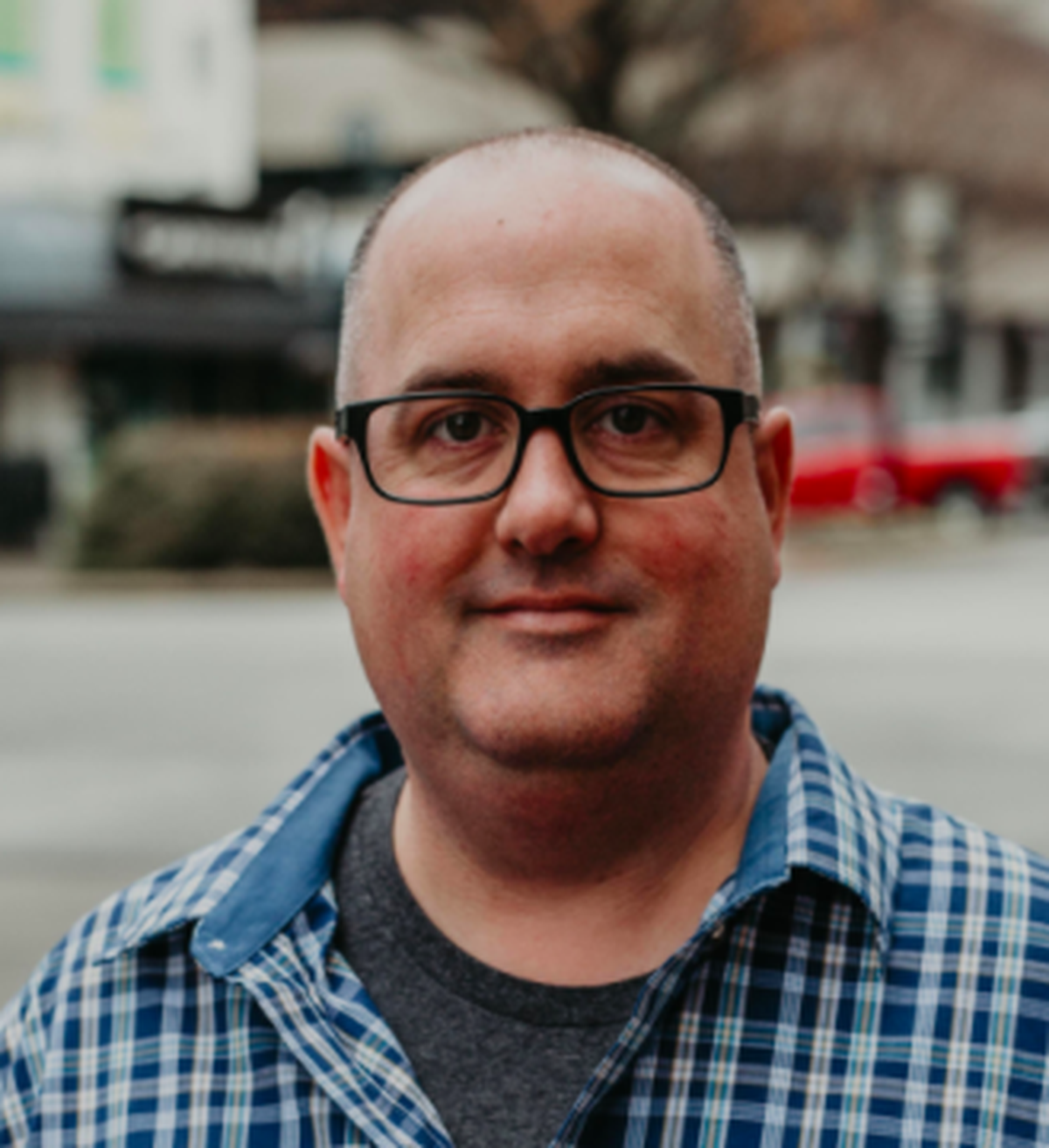
The COVID-19 pandemic has strained the city’s finances in 2020, a fact that has trickled down to the various arts organizations and cultural events to which it typically provides some funding. One Columbia executive director Lee Snelgrove said, at one point during budget talks earlier this year, there were fears the organization’s city funding might be cut by as much as 80%, which he said would have left One Columbia “unable to function” on the city’s behalf.
Ultimately, the cut wasn’t nearly that deep.
“We obviously are a little hampered by the fact we’ve taken a cut,” Snelgrove told The State. “But I feel similarly fortunate that the cut is limited to what it is.”
In all, the city is doling out roughly $3 million less in hospitality tax funding to organizations in the current budget year, compared to the prior year. Many agencies or events received less than they normally do. As just one example, the Famously Hot New Year celebration received $128,700 in city H-tax money last year, but this year’s version — which will be streamed online and broadcast on WLTX, rather than being in-person — got $50,000. Some organizations received no H-tax funding, at all.
“There were very difficult decisions to be made this year,” at-large City Councilman Howard Duvall told The State.
Snelgrove acknowledges that 2020 has been “complicated,” as his organization hasn’t been able to promote or facilitate the typical wealth of arts and culture events it normally does, as so many were canceled or postponed. Still, One Columbia has found other ways to contribute to the arts community, including co-sponsoring — along with Richland Library, SceneSC and Free Times — the “1 or 2” musical performance video series that helped get some money into the hands of musicians who haven’t been able to play nearly the same number of gigs as normal.
He said that, as the city comes out of the fog of the pandemic, arts and cultural events and performances will be critical in jolting the city back to life. With vaccines now rolling out, he’s cautiously hopeful that recovery could come in 2021.
“I think we’ve all held hope from the beginning of this that, if people followed CDC guidelines, and now with some hope from the vaccine, that we will bounce back,” Snelgrove said. ”But the arts community has been cautious on how much hope to hold. We’re so reliant, somewhat, on people’s expendable funds.
“So, if folks are hard hit, if they are losing jobs and unable to pay day-to-day costs, it’s going to be hard for them to pay for ticket sales, even though we feel it is vital to a high quality of life to enjoy arts and culture.”
When Columbia’s recovery does ramp up, Duvall thinks arts and cultural events will be a key piece of the puzzle.
“They put people here in Columbia, to see shows or exhibits, and visit the restaurants that we hope will be able to survive this pandemic,” Duvall said. “You’ve got to have the people coming to town to support the arts groups, and hopefully they will buy food and pay the hospitality tax which goes back into funding arts groups and things that bring tourism to the city.”