Longtime Councilwoman Tameika Isaac Devine will run for mayor of Columbia
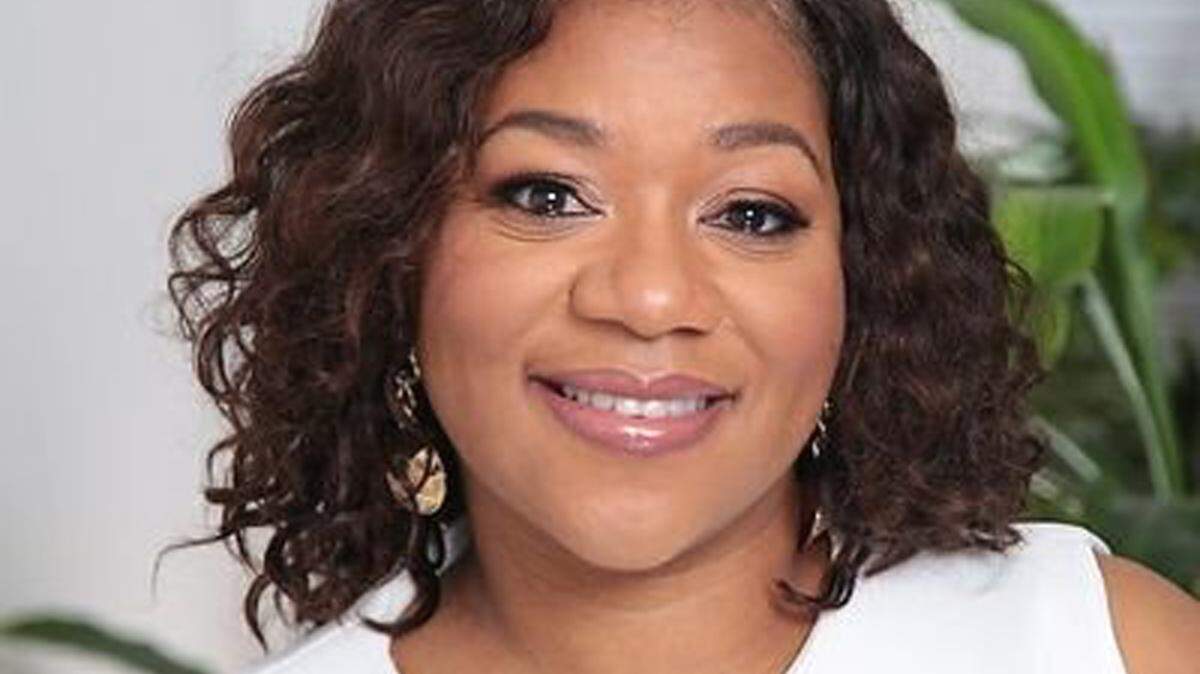
For years, Columbia City Councilwoman Tameika Isaac Devine has never been shy in saying that, if Mayor Steve Benjamin decided not to seek re-election, she’d be interested in running for the city’s top political post.
Now that interest has become a reality.
Devine, who is in her fifth term as as an at-large member of city council, told The State she will run for mayor this year. Devine’s decision came shortly after Benjamin said he wouldn’t seek re-election for the post. She is expected to formally announce her decision in a Friday news conference.
This year’s city elections will be Nov. 2. Filing for the races likely will be in August. Seats up for election this year include mayor, District 1 (currently held by Sam Davis, who is not seeking re-election this year), District 4 (currently held by Daniel Rickenmann), and the at-large seat currently held by Devine.
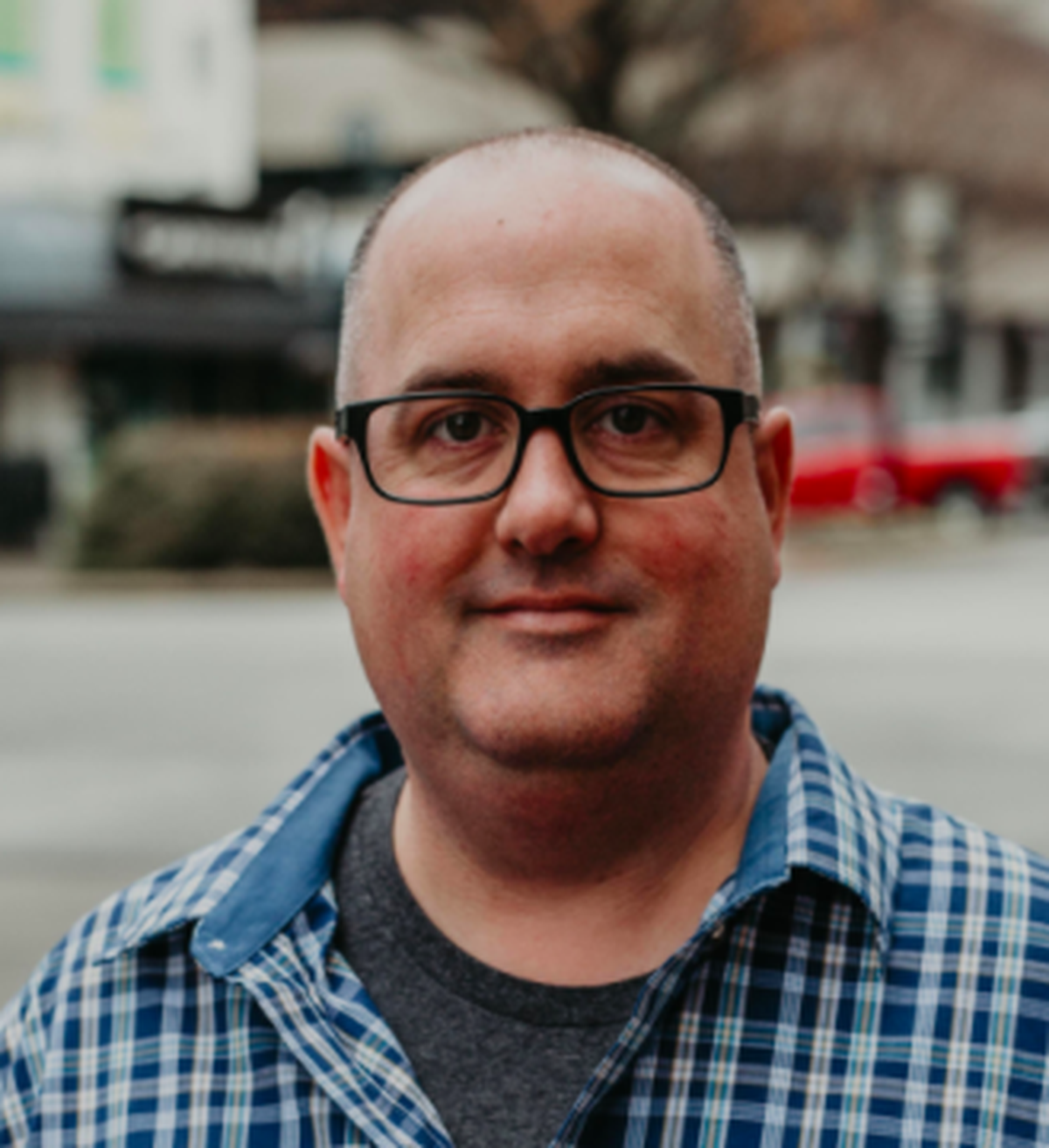
Devine is the first of several candidates likely to enter the mayoral fray. Sam Johnson, a former top aide to Benjamin and a project consultant at NP Strategy public relations firm, has been prepping for a run and could make a formal announcement as soon as Monday. Meanwhile, Rickenmann, who has served on council for a number of years across two different stints, said Thursday afternoon he also will run for mayor.
Devine was first elected to city council in 2002. She is the first, and still only, African American woman to be elected to Columbia City Council. An attorney, author and life coach, Devine is married to Jamie Devine, a member of the Richland One school board and the president-elect of the state School Boards Association.
In an interview with The State, Devine said the possibility of running for mayor has been on her mind since at least 2009.
“It’s always kind of tugged at me,” she said. “After the last election, Steve (Benjamin) mentioned this may be his last term. He never said anything definitively, but he said it may be his last. So, over the last four years, I have really kind of looked at it and wondered, if it came up, is it something I really want to do? I’ve prayed on it, and community folks have come to me and said, ‘You should run for mayor.’”
Unlike a district seat, at-large seats on city council are elected citywide. So Devine, who currently chairs the city’s Affordable Housing Task Force and council’s Environment and Infrastructure Committee, will be courting voters across Columbia just as she has for the past two decades.
Still, she thinks the stature of the mayoral seat could help in getting things done in the Capital City.
“Being able to be mayor, I think I’d be able to couple the advocacy and the community work that I do with the things that come with being mayor, being able to pull people together more toward a bigger vision,” Devine, an Earlewood neighborhood resident, told The State. “And there’s a chance to bring in outside resources that a mayor can do that a councilperson really doesn’t have the ability to do. It will allow me to take community service to a different level.”
A member of West Columbia’s influential Brookland Baptist Church, Devine in recent months has hosted the “Color of Law” series of discussions. Those talks centered on author Richard Rothstein’s book “The Color of Law,” which examines how governmental policies, at the local, state and national levels, segregated metropolitan areas in the U.S., creating racially homogenous neighborhoods in patterns that require remediation. A number of guests, including Rothstein himself, participated in the talks, many of which focused on how Columbia neighborhoods were changed because of gentrification and other urban renewal efforts.
There are a number of challenges ahead for the city in coming years. For instance, a sprawling property tax analysis commissioned by the city late last year showed property taxes in the Columbia area are the highest in the state among large metros. The study offered that, in order for Columbia to become more competitive with places like Greenville and Charleston, the city, Richland County and Richland County’s school districts need to work collaboratively to reduce commercial property tax rates, lobby the state government to overhaul part of its tax code, combine city and county services that are overlapping, and develop a “cooperative financial approach” between the county’s school systems, among other steps.
Devine said she already has been reaching out to officials in the Richland One and Richland Two school districts and at Richland County on ways to work together with the city on the issue.
“The reality is, when you look at the tax issue, that’s not something the city can solve alone,” she said. “Our portion of that is a small portion in the scheme of things. ... The only way to come up with solutions is if you are someone who can convene the necessary parties to talk about the solutions.”
Having been the first Black woman elected to city council and the first Black person elected to an at-large seat on the council, Devine is accustomed to making history in local elections. If she is going to be elected mayor, she’ll have to do it once again, as Columbia has never had a woman mayor.
“Sometimes things are glaring to you that, ‘Wow, there’s never been a woman there,’” she said. “And this is one of those glaring things.”
This story was originally published February 5, 2021 at 5:00 AM.