5 years of BullStreet: What’s changed since Columbia’s heralded ballpark opened?
With many years of planning and debate behind it, Columbia’s highly anticipated minor league baseball stadium at the burgeoning BullStreet campus opened with fanfare and rave reviews five years ago this April.
The new home of the Columbia Fireflies minor league baseball team became the centerpiece of what’s expected to be one of the largest forthcoming developments on the East Coast — 181 acres of old buildings and older trees destined to become a bustling business, residential and recreational hub over the next two decades.
Physical progress has moved slower than some in the community may have hoped to see, and along the way, a number of people criticized the city’s hefty financial investment in public infrastructure from water and sewer lines to roads to promised parking garages. (The district’s master developer, Hughes Development Corp., has recently called on the city to fulfill its commitment to build the district’s first two garages.)
But the BullStreet district has always been about the long-game, with a 20-year build-out planned from the start. Just over five years into construction, the district is reaping the fruits of years of planning, developer Robert Hughes said last week, as district leaders and city officials joined to break ground on the newest construction project: the five-story WestLawn office and retail building.
“We’ve never been willing to sacrifice quality for time, and to me, we’re at a place today where you can see the fruits of that labor,” Hughes told The State in a recent interview. “There is no city in the Southeast, really, that could accept 181 acres of brand new, dense, urban development and build it and fill it up in five years. That’s not a realistic expectation.”
Despite the COVID-19 pandemic that’s thrown all sorts of wrenches into business and development across the country, work at BullStreet accelerated in the past year, with the opening of the district’s first national retailers — REI Co-op and Starbucks — along with new residents, a new public park and construction beginning on multiple projects.
In fact, when fans return to Segra Park this spring after a year’s hiatus, they’re likely to notice a number of changes in the district. “They’re going to see a completely different site,” Hughes said. “The same will be true a year from now, which is exciting.”
Hughes expects new developments to fall into place like dominoes, with each new addition spurring more to come. With ongoing and upcoming projects, Hughes said there could be more than 1,000 construction workers on site later this year.
“To think that in five years we’ve gone from literally the general public being barred from being (at the site) to a million-plus visitors to the ballpark, hundreds if not thousands of jobs, national retail open and operating, people living, people working, people coming out for recreation — all of the things that we talked about for the vision are all possible there today, and it’s only building on itself more,” Hughes said.
Here’s a look at how the district has transformed in the five years since the public first celebrated the opening of BullStreet — and what’s next on the horizon.
Segra Park (formerly Spirit Communications Park)
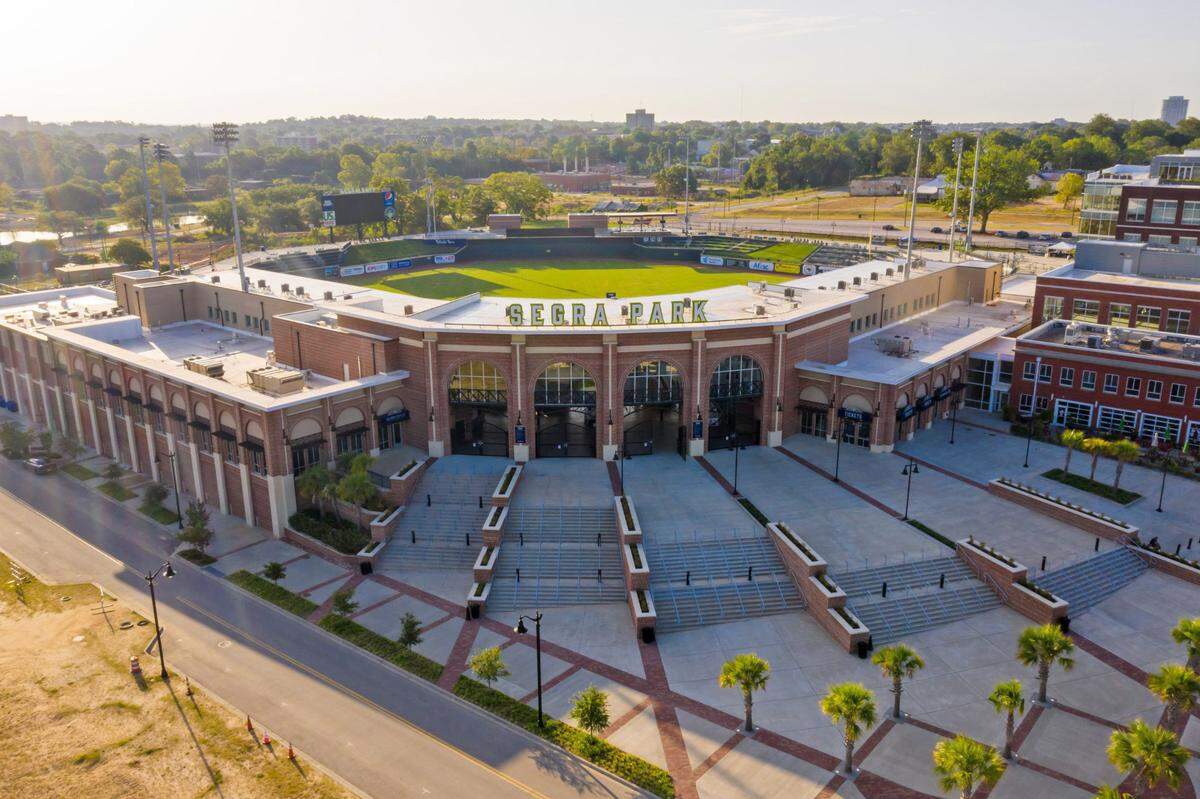
Construction on the $37 million ballpark began in January 2015, and the stadium opened in April 2016. In its first season hosting the Columbia Fireflies, it was honored as the 2016 Ballpark of the Year by Ballpark Digest.
In the earliest years of BullStreet, the stadium was hidden from view from the busy Bull Street thoroughfare. But recent construction has cleared away more trees, opening the sight line to the ballpark from the main road.
The park’s uses have expanded far beyond minor league baseball, hosting events including local festivals, the Walk for Life breast cancer fundraiser, concerts, weddings, high school and college sporting events and outdoor movies during the coronavirus pandemic.
However, the pandemic rendered the stadium largely unusable for most of 2020, as the minor league baseball season was canceled and most large gatherings of any kind were discouraged. At the same time, the Fireflies’ future appeared to be in limbo amid a minor league baseball shakeup.
But in December 2020, the Fireflies were adopted by a new major league parent, the Kansas City Royals. They’re preparing to play an abbreviated 2021 season at Segra Park, with the first home stand scheduled for May 11-16 versus the Charleston RiverDogs.
First Base Building
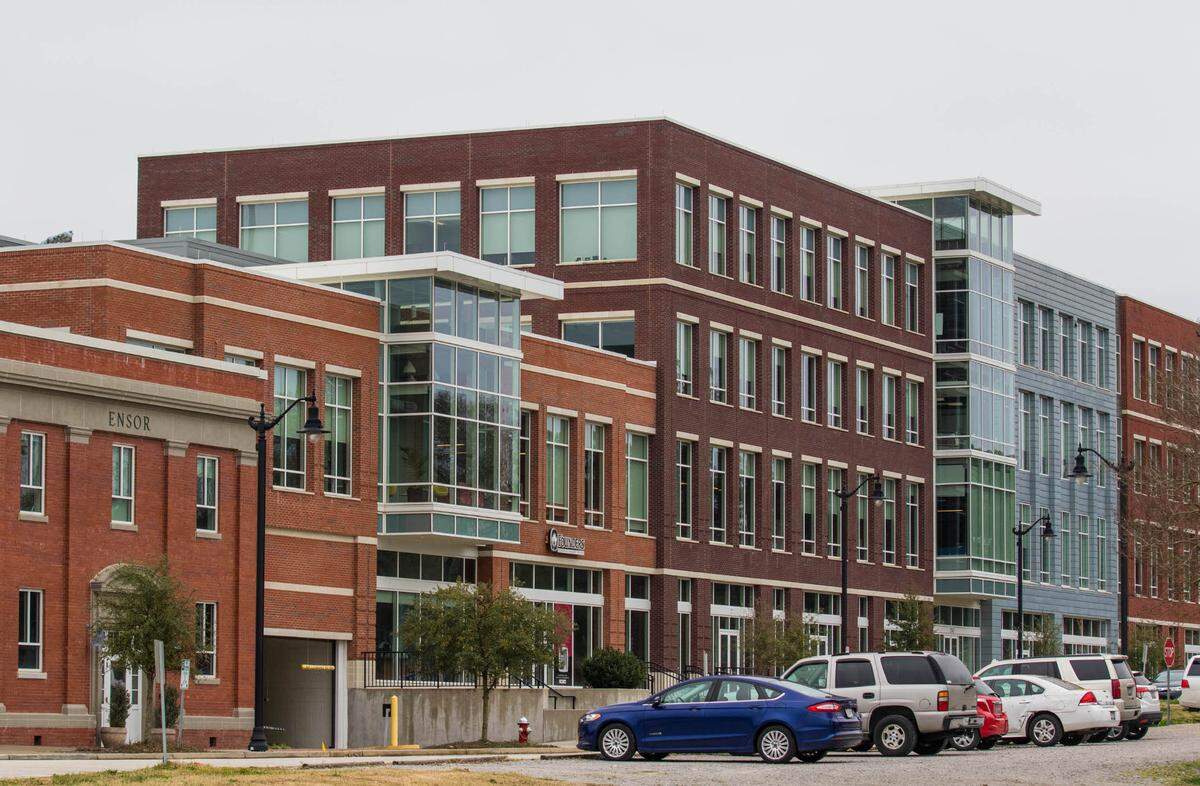
The 108,000-square-foot office building — the largest new office building in the city in at least a decade — rose from the ground simultaneously with the ballpark, also opening in April 2016. It welcomed BullStreet’s first full-time workers, the Ogletree Deakins law firm.
It was later joined by Founders Federal Credit Union, Central Carolina Community Foundation and international tech firm Capgemini, which acquired a local startup firm, TCube Solutions. In 2018 Capgemini committed to employing at least 300 people at the BullStreet office building.
Office space in the First Base Building is entirely filled up, Hughes said. Retail business space on the first floor of the building, overlooking the interior of Segra Park, remains available.
The Bakery at BullStreet
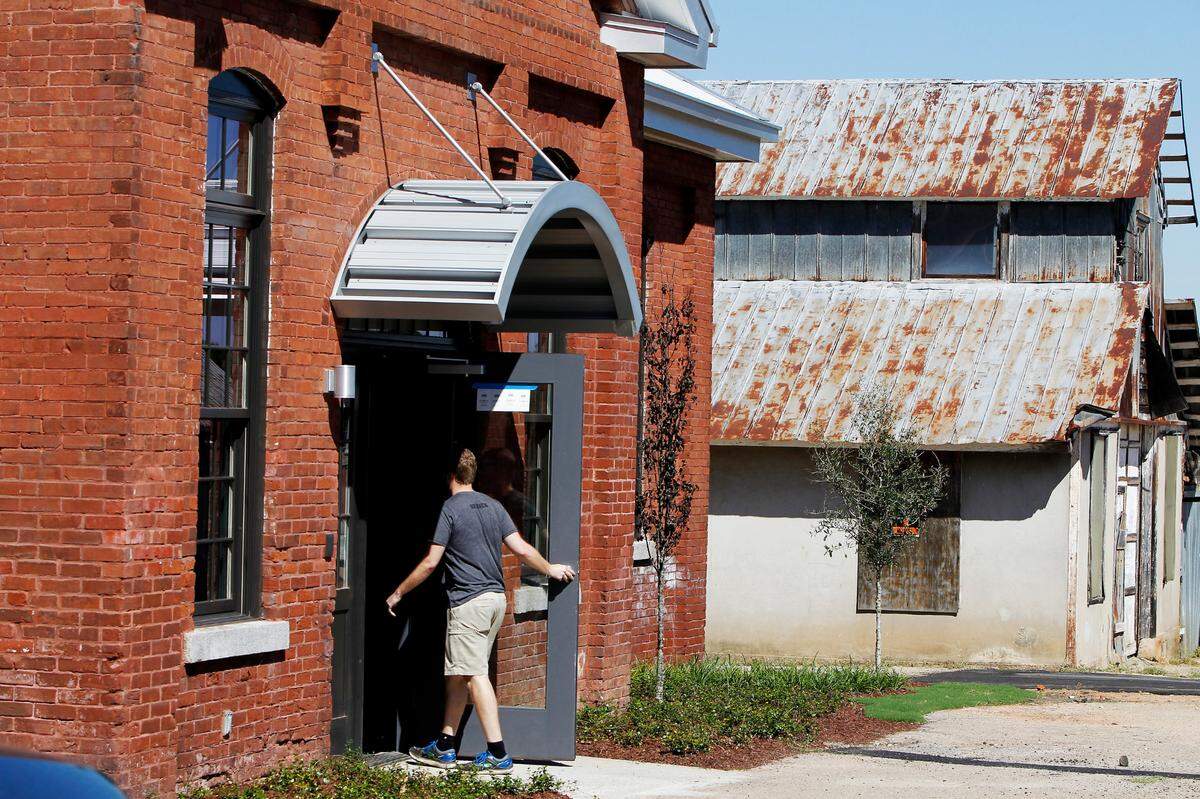
The hospital campus’ former bakery opened as a technology-oriented work space in September 2016. Early on, the building housed both the Iron Yard coding school and the SOCO coworking and entrepreneurial space, with a variety of start-up businesses working day-to-day in the industrial-chic space.
But the Iron Yard closed its Columbia campus in 2017. Now, SOCO occupies the entire building, one of its two coworking locations in downtown Columbia.
Archaeology Center in the Historic Parker Annex
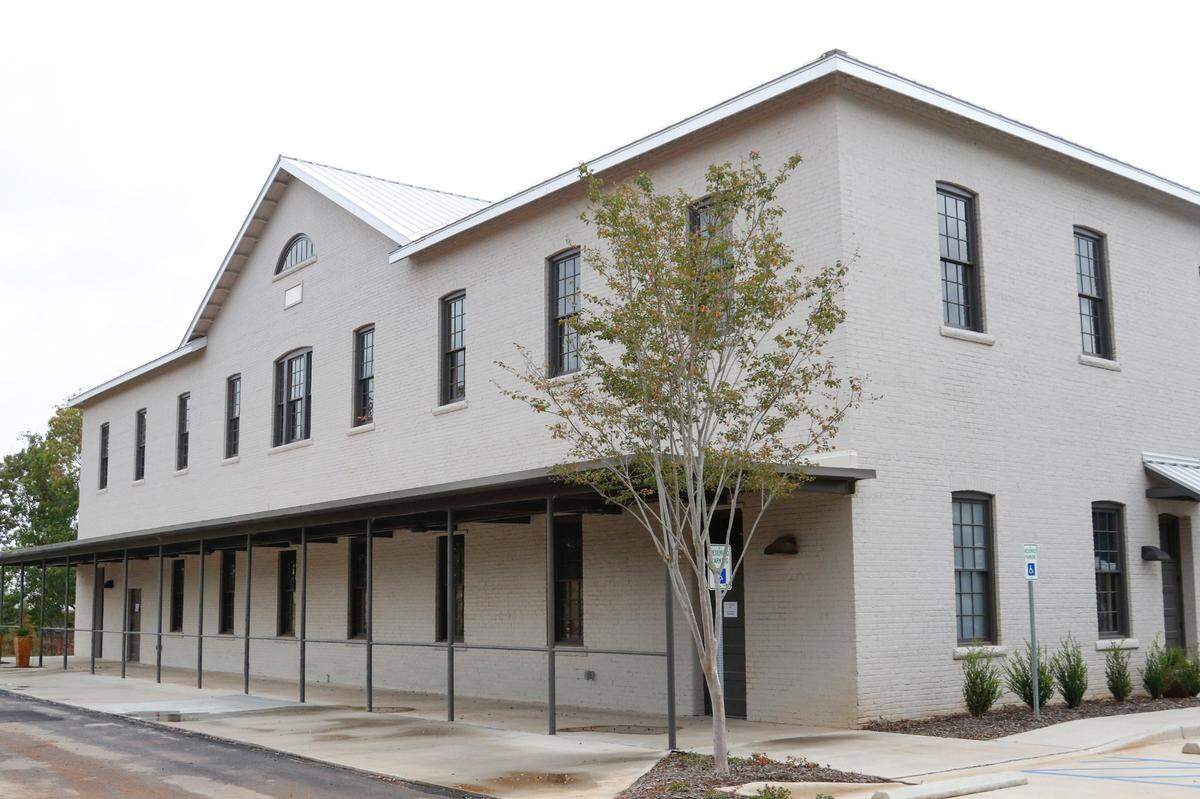
The S.C. Department of Natural Resources Heritage Trust Program moved into the century-old Parker Annex building in July 2017. It has offices, laboratory and curation and outreach space for the state-run archaeology program, as well as storage for 1,900 boxes of artifacts.
Ensor Building
BullStreet’s first restaurant, Bone-In Barbeque, opened in April 2018 in the Ensor Building, the hospital campus’ former morgue. But the restaurant closed in February 2020, just before the outbreak of the coronavirus pandemic.
Tech firm Truematter now occupies the full upstairs office space of the building.
Hughes said the developers expect to fill the downstairs restaurant space, adjacent to Segra Park, soon.
TownPark at BullStreet
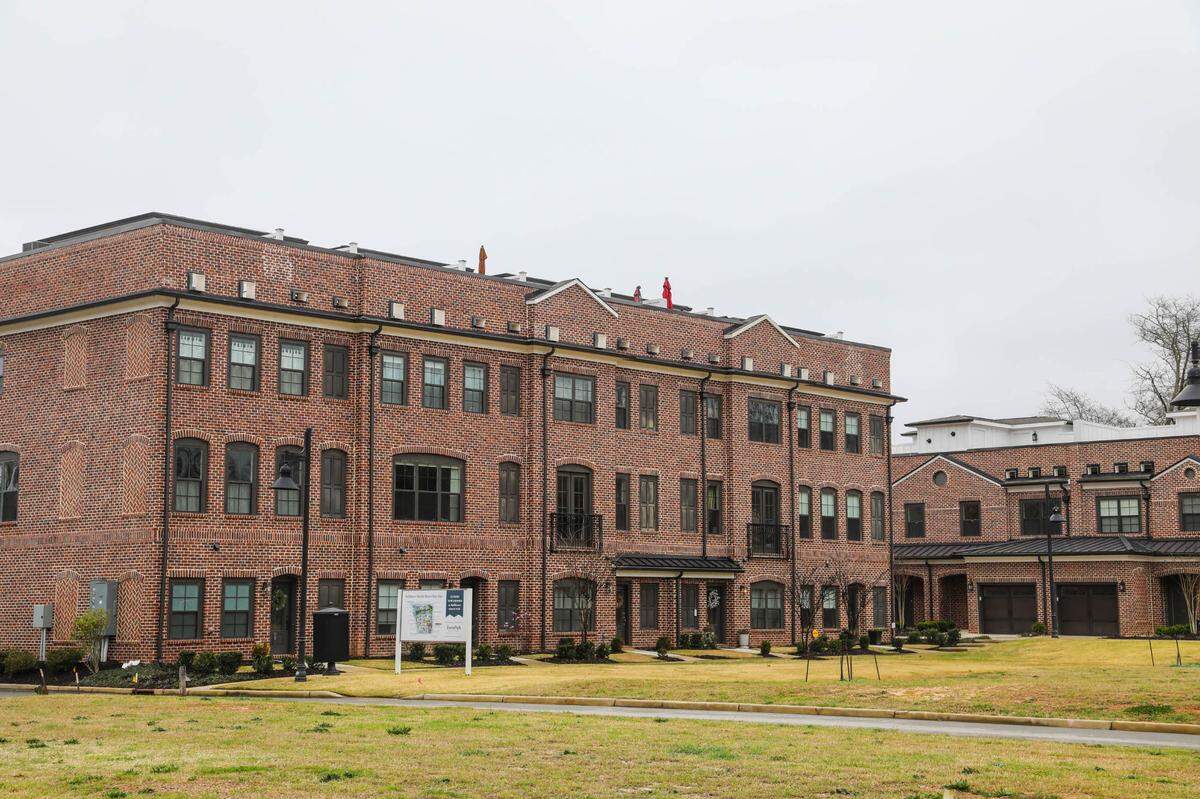
BullStreet’s first resident moved into one of these luxury townhomes, located at the southern edge of the development, in August 2018.
Now, nine townhomes have been completed, and eight of them have been sold, Hughes said. The last currently remaining home is listed for sale for $379,500.
Construction on the next four homes is slated to begin soon. The complete buildout of TownPark will include a total of 28 townhomes.
Central Energy Facility
The campus’s former power plant was transformed into the new home of Downtown Church, which moved into the 8,000-square-foot space in March 2019. In addition to regular church services and gatherings, Downtown Church also rents out the space as an events venue, including for weddings.
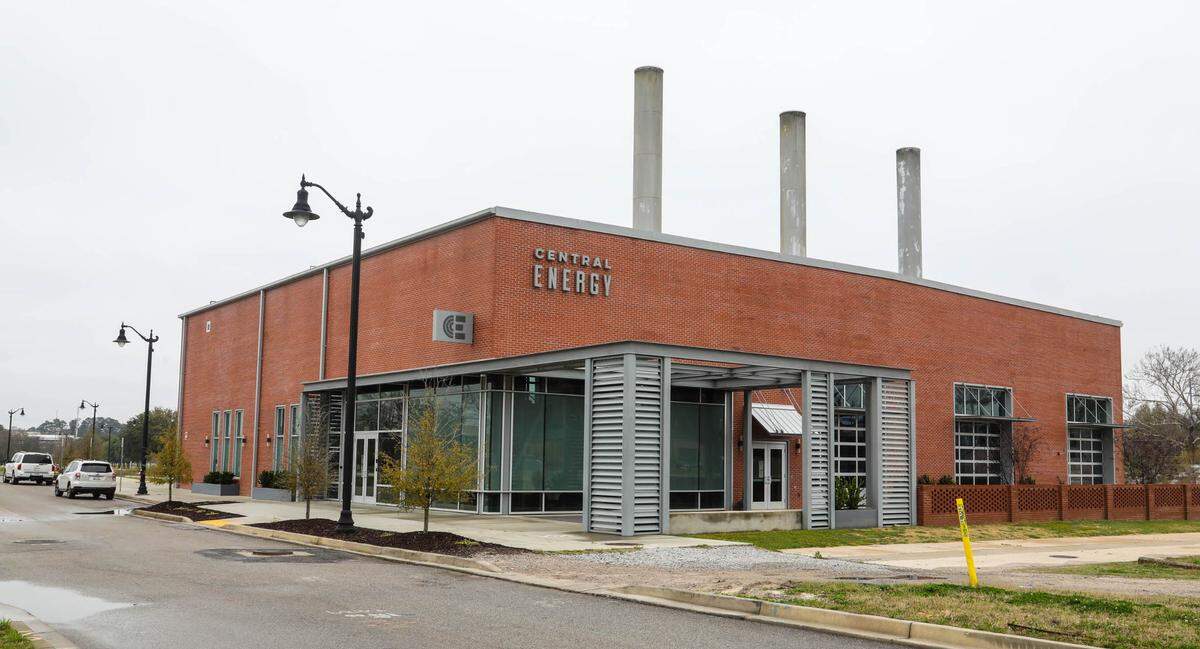
“It was never intended to be occupied,” Becky Brantley, project manager for the Garvin Design Group, said of the space in 2019. The Garvin firm oversaw the $2.5 million renovation project. “It was a very industrial building. It didn’t have any windows. It was completely full of machinery. There was nothing aesthetic about it.”
Now it is a large, open space, a blank canvas for events, with wide welcoming windows, three bay windows that open to a walled, 2,700-square-foot courtyard. It also has a stage with sliding doors that open to a twin, outdoor stage overlooking a wide lawn.
Merrill Gardens
Construction began on the 196-unit active senior living community in April 2018, and the first residents moved in in July 2020. After the TownPark townhomes, these were the second group of residents to live at BullStreet.
Merrill Gardens faces Segra Park on one side and a new public park on another side. With amenities ranging from a rooftop patio to chef-prepared meals and concierge medical services, “this is the place where the cool old people live,” manager Wilson Anhar said last summer.
REI Co-op
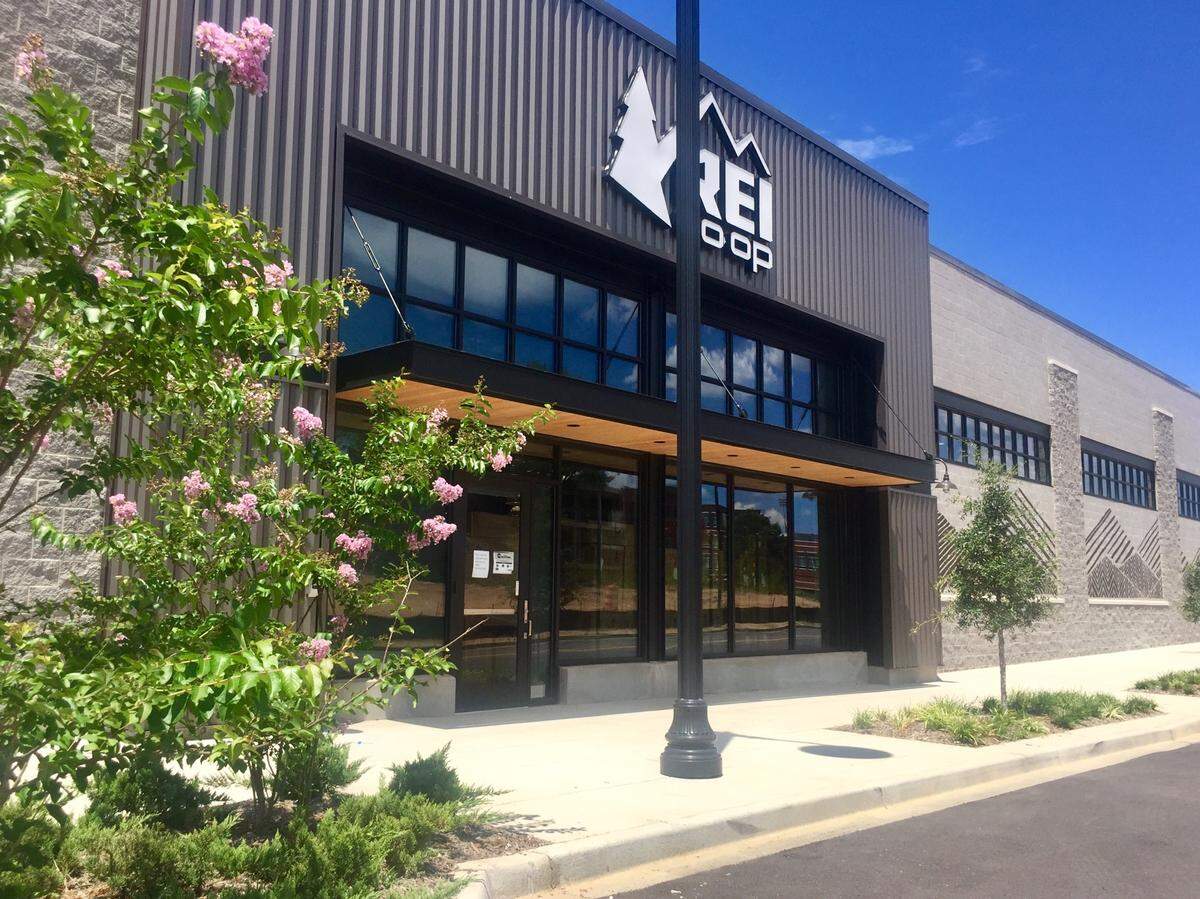
Popular outdoor outfitter REI became the first retailer to open in the district in August 2020, and also BullStreet’s first national brand presence.
There was much public consternation a few years earlier when developers had announced that dozens of retailers had committed to opening in the district, then the details fizzled. REI became the first visible sign of the vibrant commercial district that’s been promised. The announcement of its opening was closely followed by announcements from Starbucks and Iron Hill Brewery.
Driving into Columbia on busy Bull Street, the 20,000-square-foot REI building is the first piece of BullStreet you see from the main road.
Babcock Building
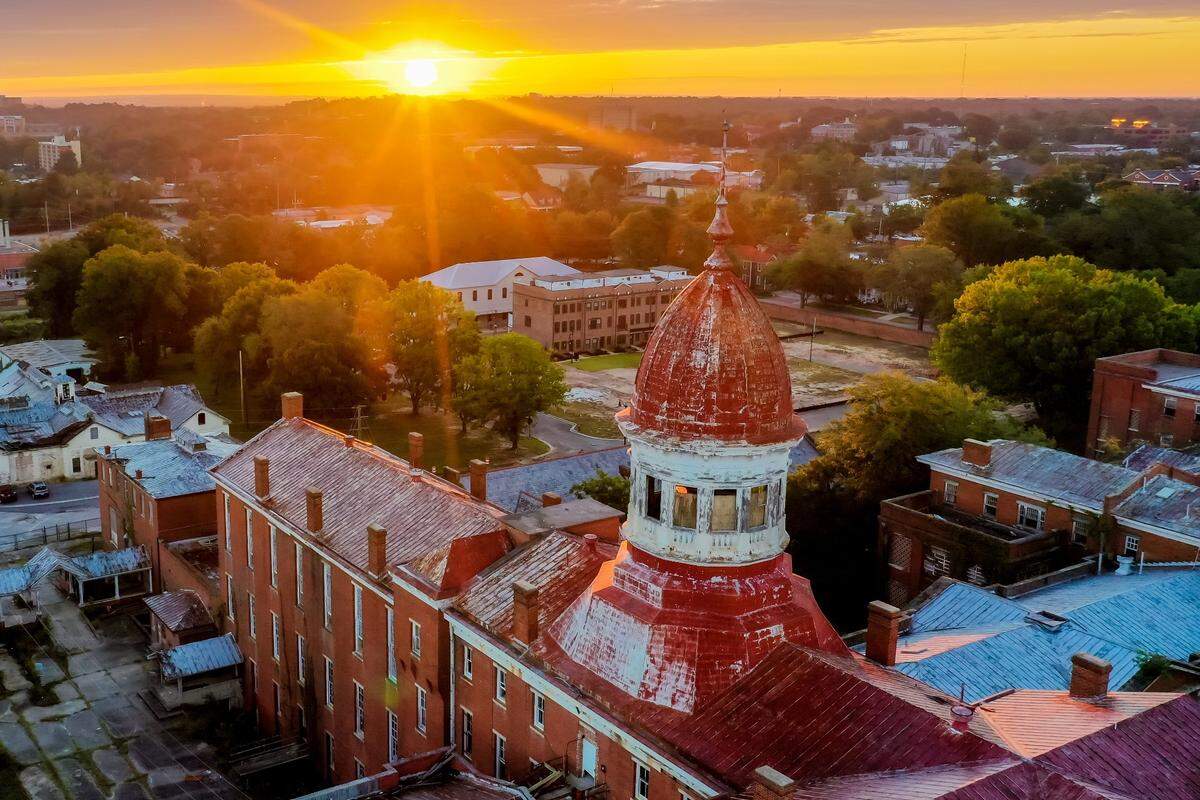
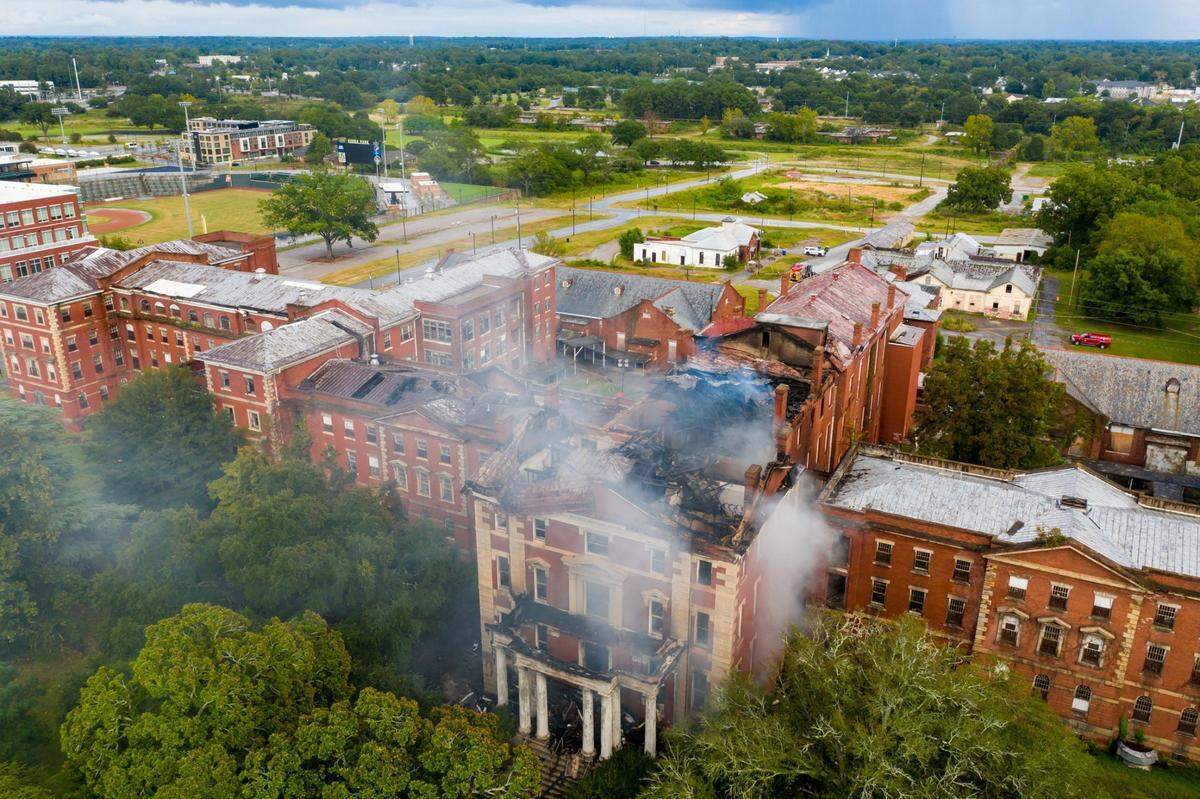
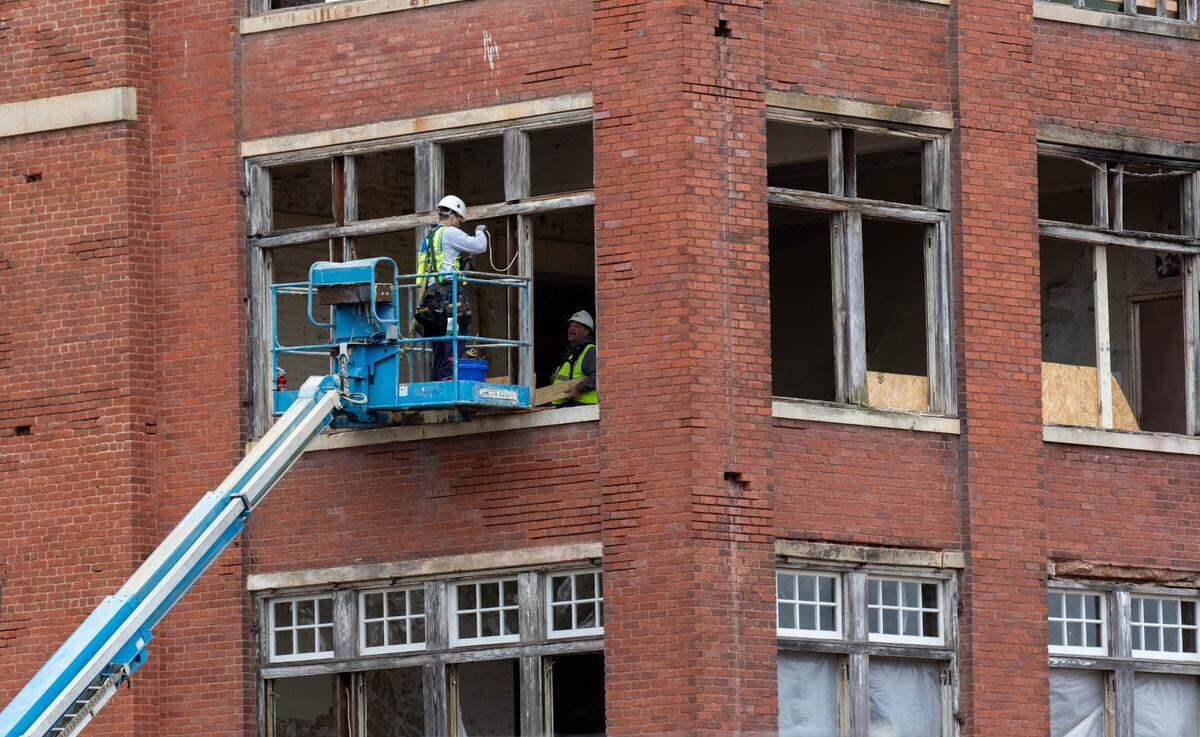
After one fire in December 2018, another, more destructive fire in September 2020 threatened the future of the Babcock Building restoration project, which is seen as a key element of the entire district. Just over 200 apartments with luxury amenities are slated for the massive 254,000-square-foot building. Despite the fire damage, developer Clachan Properties secured needed historic tax credits to finance the project, and renovation work officially began in October 2020.
The $55 million project is to be completed in phases, with the first residents expected to be able to move in by early 2022.
Part of the project now includes reconstructing Babcock’s iconic red cupola, or dome, which was destroyed by the most recent fire. The dome has been employed as a marketing icon for the entire BullStreet district.
Starbucks
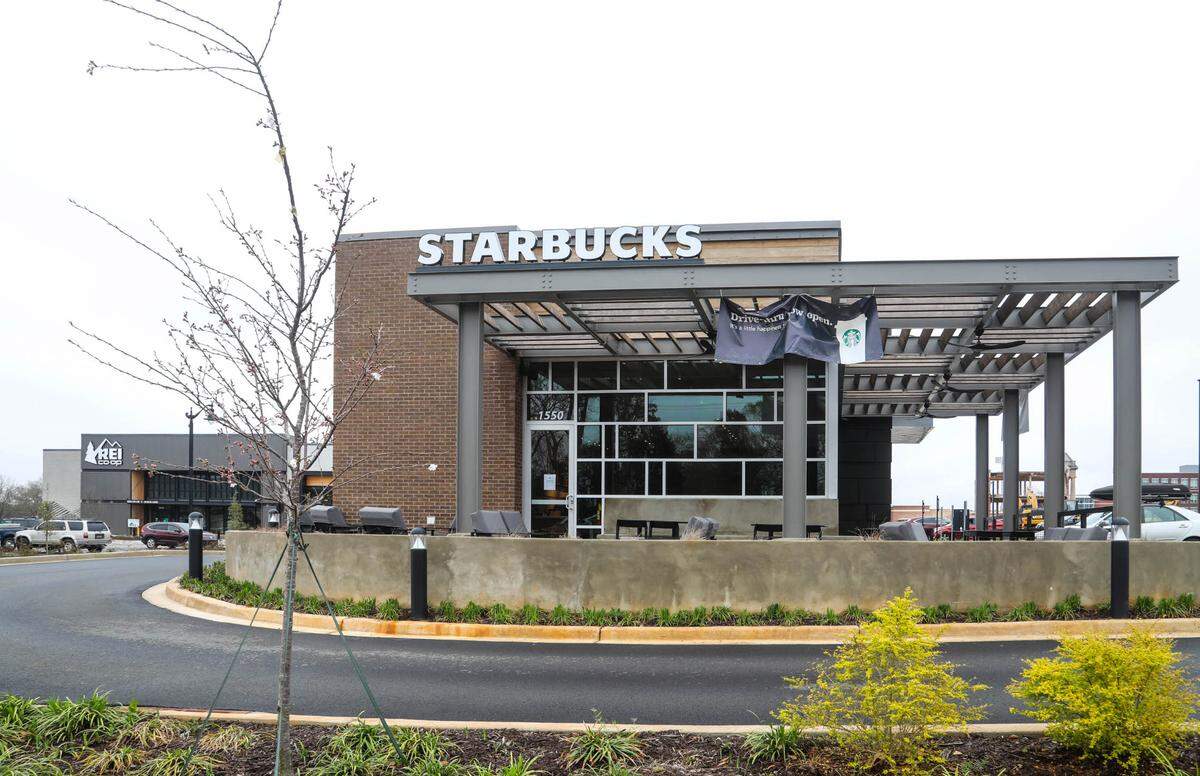
After the closure of Bone-In Barbeque, Starbucks became the only restaurant at BullStreet when it opened in January 2021. It joined REI Co-op as a new construction facing the busy Bull Street thoroughfare, offering a drive-thru and a patio, with an eye-catching floral mural visible from the street.
Matilda Evans street
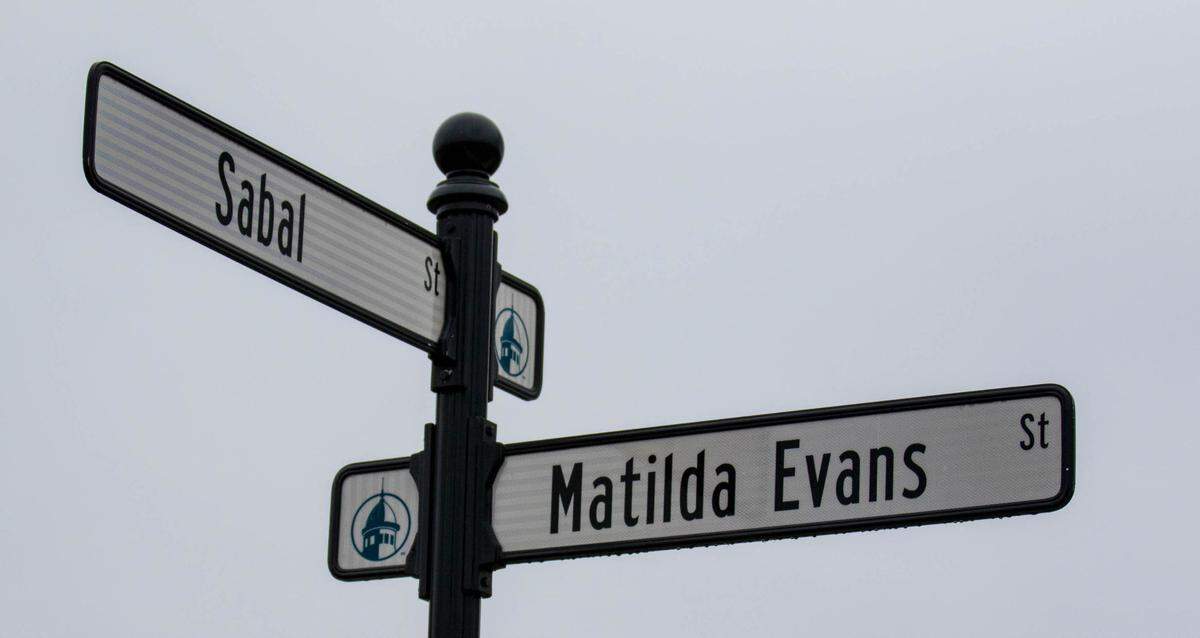
City and district leaders are taking the opportunity of new streets being carved into the district to honor underrepresented people from Columbia’s history. Matilda Evans Street, which intersects with Bull Street at one of the new entrances to the district, was unveiled in spring of 2020. It honors Dr. Matilda Arabella Evans, the first licensed female physician in South Carolina, according to the Columbia City of Women project.
A new stoplight also was erected at the intersection of Matilda Evans Street and Bull Street.
Other new streets that have been named in the district include Freed, Boyce, Saunders, Talley and Fig.
Public park
A 20-acre public park near the northeast corner of the district was mostly completed by early 2021, featuring walking trails, two picnic shelters, a dog park, a pond and a newly daylighted portion of stream. District leaders have noted that native plants and birds have returned to the area since the construction of the park.
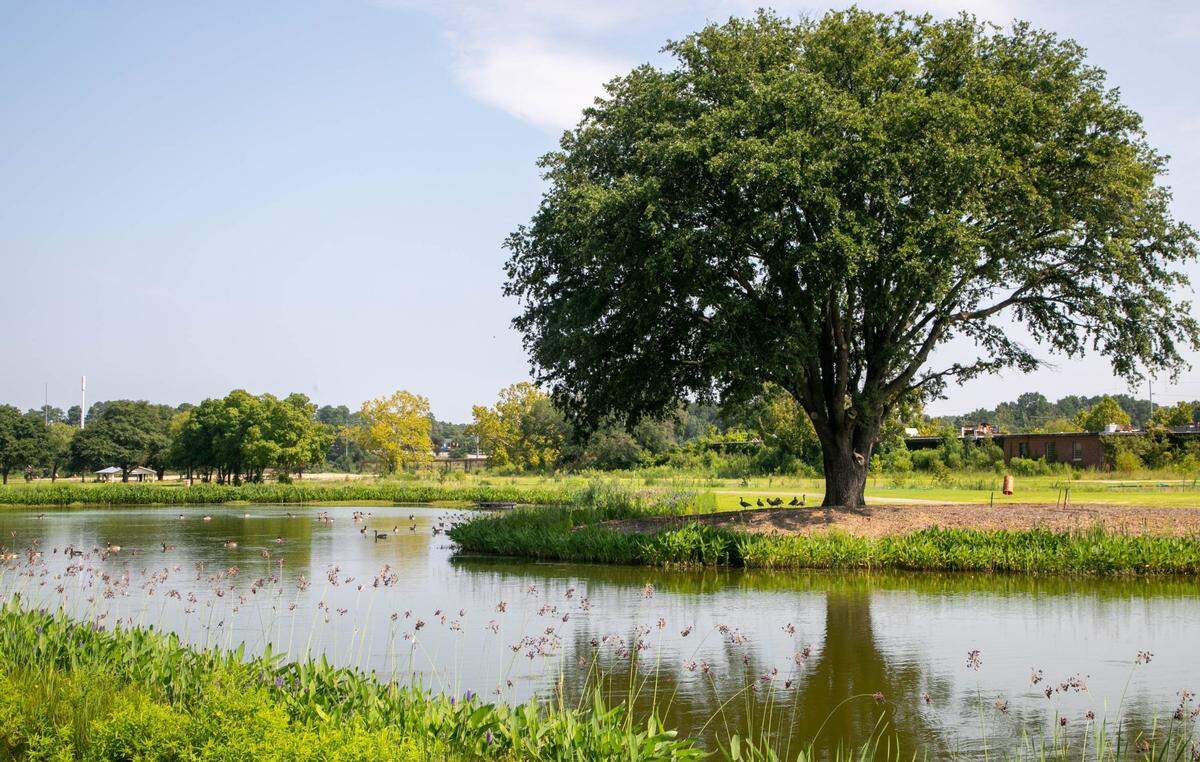
City and district leaders plan to decide on a name for the park soon. Some have suggested the city could name the park after an African American citizen who might have been integral to the BullStreet site.
Future additions to the park could include more amenities, such as playground equipment, and events, Hughes said.
WestLawn Building
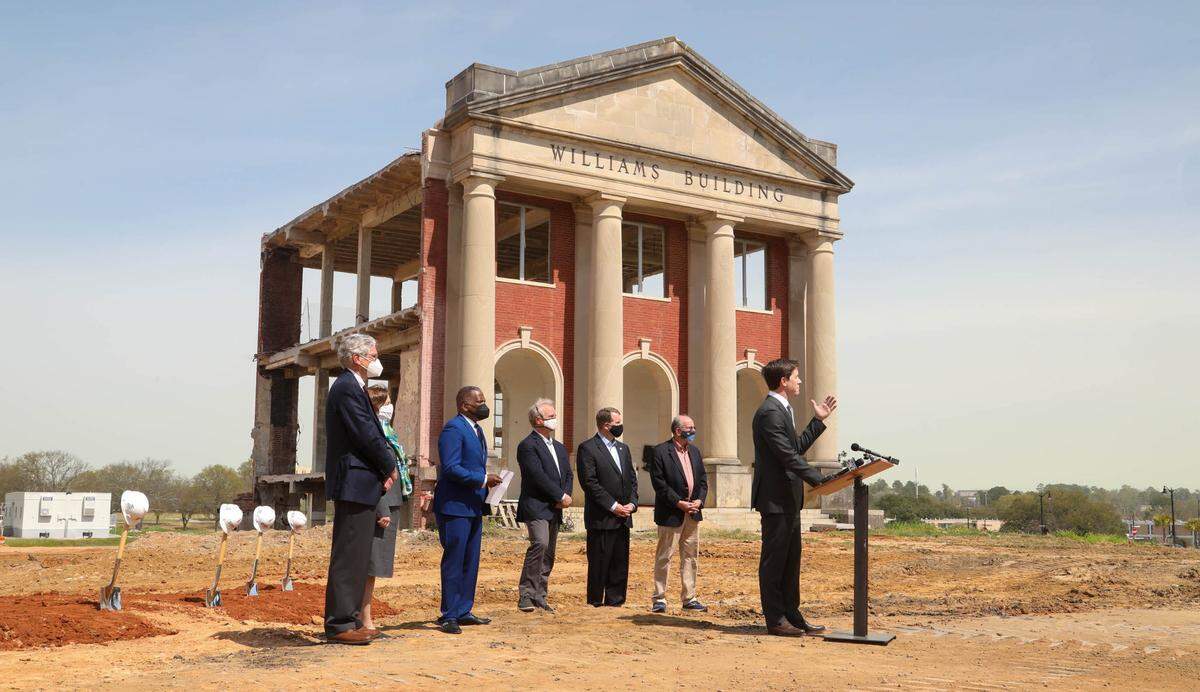
Construction is starting now on the newest project in the district, with completion expected by April 2022.
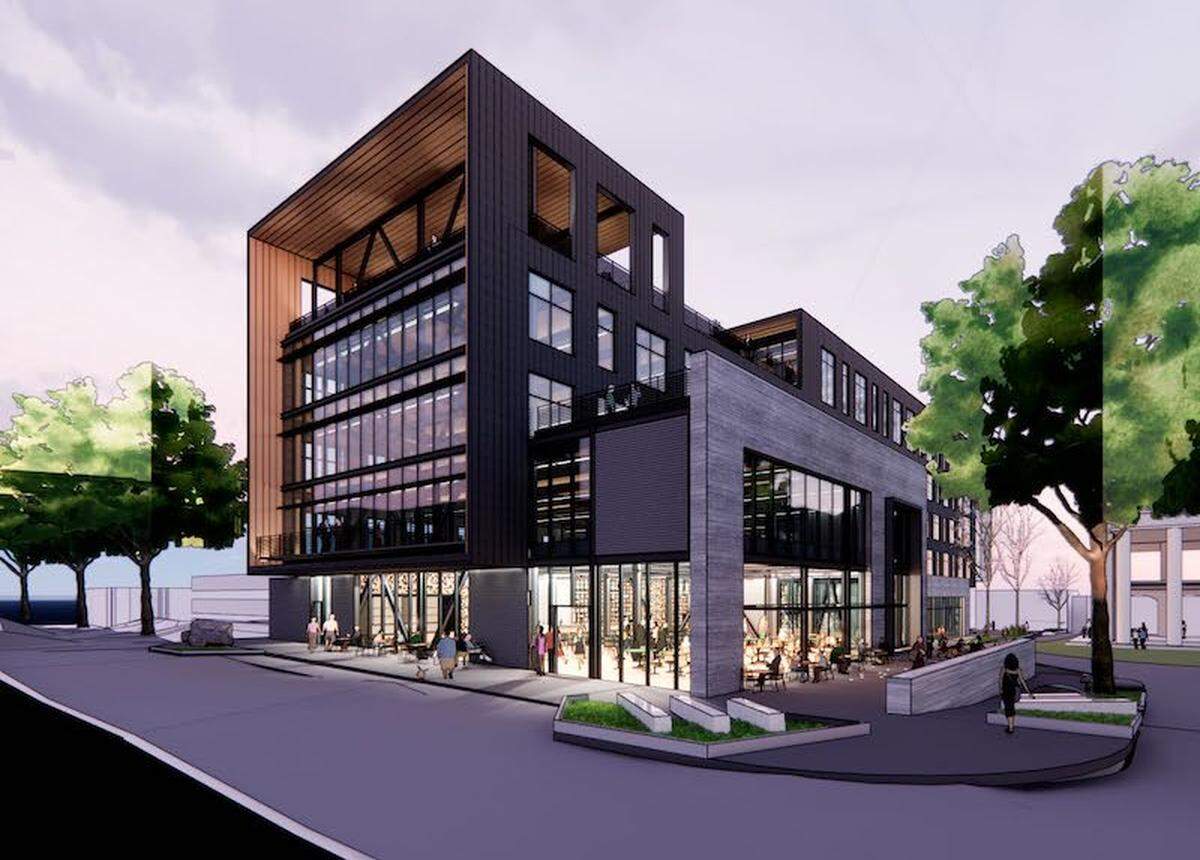
The WestLawn building is expected to house retail tenants on its ground floor, with Class A office space on four floors above. Law firm Robinson Gray Stepp & Laffitte will occupy the top two floors, including a private rooftop terrace.
The 79,000-square-foot building will be constructed of what’s known as mass timber, or cross-laminated timber, which is considered an environmentally sustainable construction technology compared to more typical steel and cement construction. The WestLawn building will be the first mass timber office building in Columbia and the largest of its kind in South Carolina, BullStreet officials say.
Williams Building
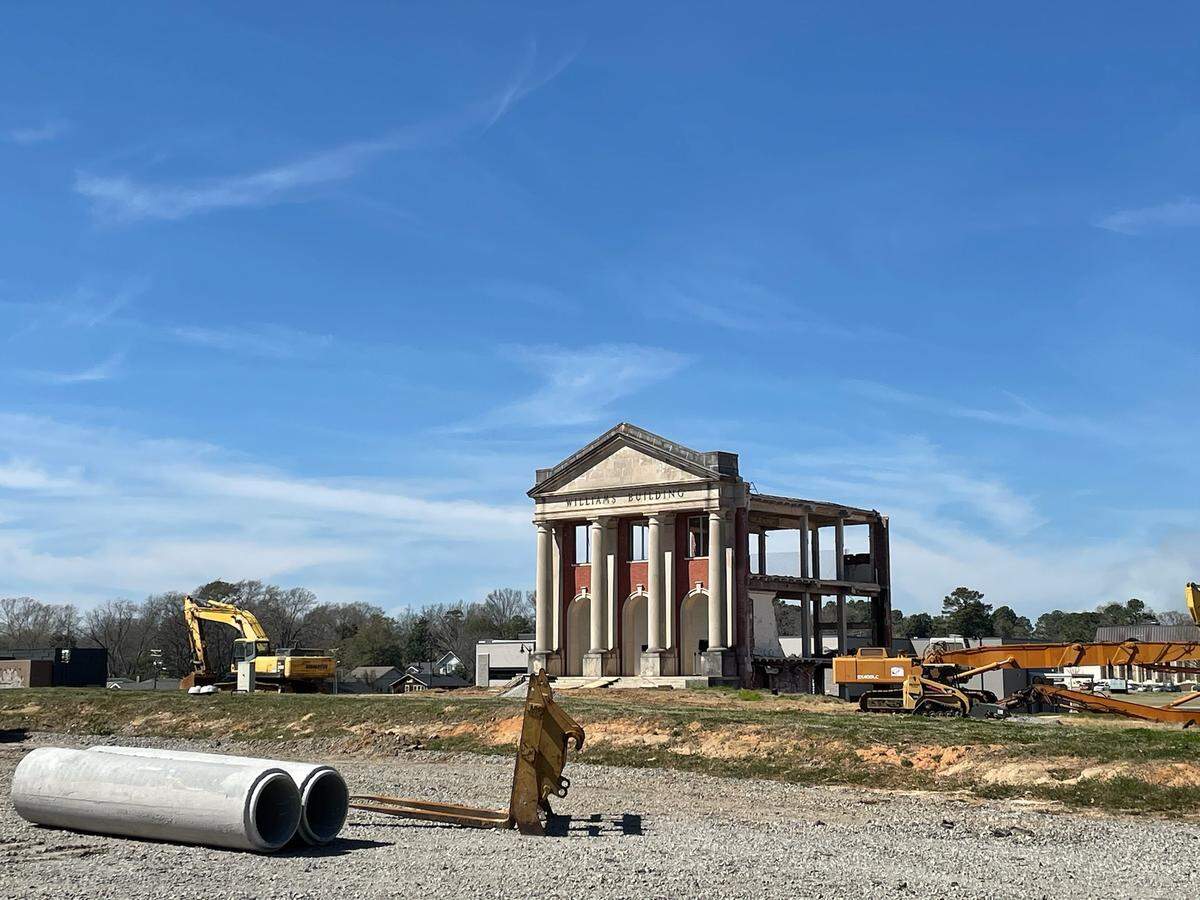
Demolition of the wings of this 83-year-old building began in early 2020, and by early 2021 only the skeletal center facade, with four grand columns, remains standing, a stark structure amid swaths of red dirt.
To the west of the facade, the new WestLawn office and retail building is about to be under construction. To the east, a new-construction apartment building is planned. The Williams Building facade is to be incorporated into a future project between the offices and apartments, Hughes said.
What’s Next?
▪ Construction will start and likely finish this year on a pair of city-funded parking garages, including one adjacent to the upcoming WestLawn building, Hughes said. They’ll total around 800 parking spaces.
▪ Delaware-based Iron Hill Brewery restaurant chain still plans to open at a site facing Bull Street, beside Starbucks, though its timeline has been postponed due to the pandemic, Hughes said.
▪ Charlotte-based developer Proffitt-Dixon still plans to build 200-plus apartments beside the remaining Williams Building facade, Hughes said. Detailed plans have not yet been revealed.
▪ The University of South Carolina School of Medicine is moving forward with plans to relocate its campus to the northeast corner of the district, though completion of the project is years away.
This story was originally published March 29, 2021 at 12:02 PM.