Only one Midlands hospital gets an ‘A’ safety grade in watchdog’s new report card
One Midlands hospital stands out in the safety grades released by a medical watchdog group Thursday.
Prisma Health Baptist Parkridge continues to be ranked as one of the safest hospitals in South Carolina, according to the Leapfrog Hospital Safety Grade. The Columbia hospital received the highest grade from the Leapfrog Group, which issues biannual safety rankings.
Since 2012, the Leapfrog Group has published Hospital Safety Scores twice a year — once in the spring and once during the fall — to create transparency in the U.S. health system. The rating is focused on “errors, accidents, injuries and infections.”
Based on this criteria, Prisma Health Baptist Parkridge was the only Midlands hospital awarded an A.
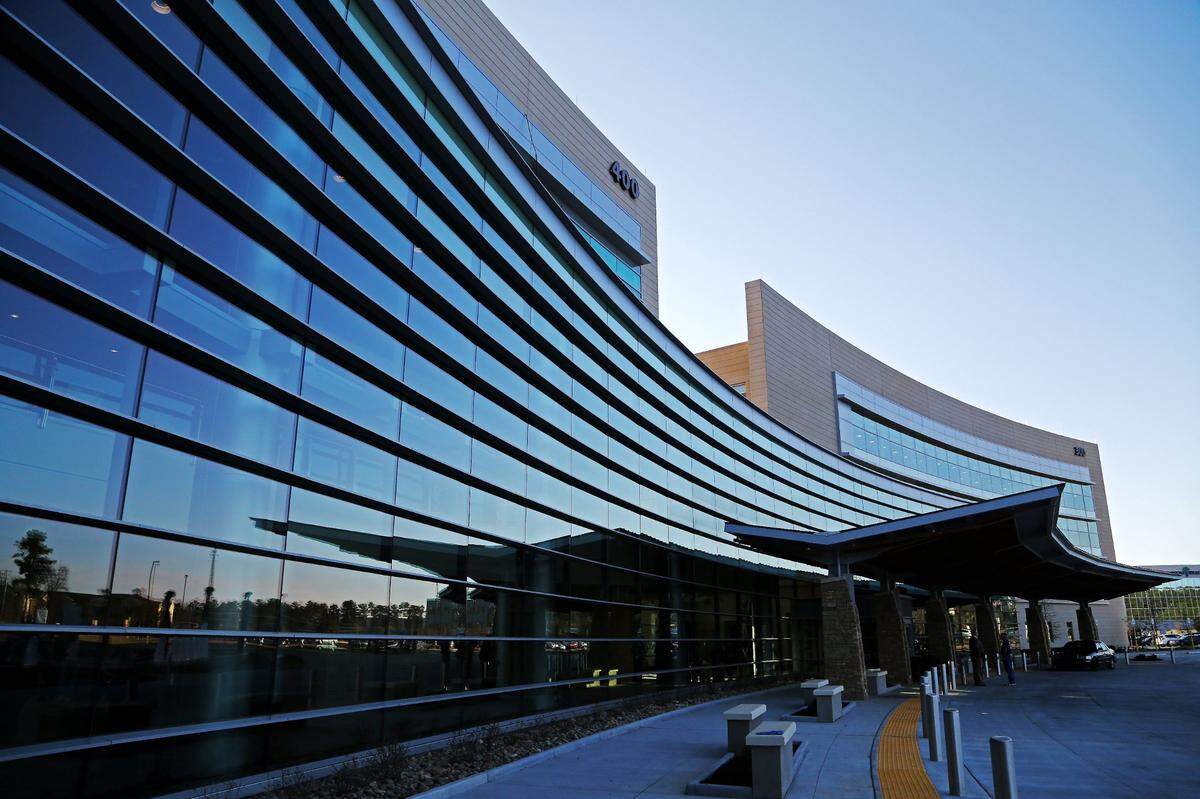
▪ Prisma Health Baptist Parkridge, repeated its score from the fall ranking of A
Other Columbia-Lexington-area hospitals received two Bs and two Cs for the spring. Those include:
▪ Lexington Medical Center, saw its grade one letter drop from A in the fall to B
▪ Providence Health repeated its score from the fall ranking of C
▪ Prisma Health Baptist in Columbia repeated its score from the fall ranking of B
▪ Prisma Health Richland repeated its score from the fall ranking of C
No other hospitals in the Midlands received an A, while one that had an F in the fall improved its grade in the current ranking.
▪ Newberry County Memorial Hospital repeated its score from the fall ranking of D
▪ KershawHealth Medical Center repeated its score from the fall ranking of C
▪ Prisma Health Tuomey repeated its score from the fall ranking of C
▪ Regional Medical Center of Orangeburg and Calhoun Counties improved its grade from F in the spring to D
Just outside of the Midlands, one hospital received an A grade in the ranking. McCleod Health Clarendon in Manning got the top mark again after being rated an A in the fall.
“In a year of unprecedented challenges in healthcare, I am especially grateful for everyone’s ongoing commitment to quality, safety and being the difference,” Prisma Health’s chief quality executive Kristin Vondrak said in a news release. “At Prisma Health, we are committed to a culture of continuously improving the consumer experience and the quality of services provided across the healthcare continuum.”
Overall in South Carolina, of the 47 hospitals that were ranked, 16 received a letter A. No hospitals in the Palmetto State received an F in the spring grades, after two got that score in the fall.
Nationally, South Carolina ranked 19th among all states, with about 34 percent of its hospitals scoring an A rating. That was the same percent as in the fall, and that consistency meant the Palmetto State improved its previous ranking of 22nd. Massachusetts (58.6%) was the top-rated state, while there was a two-way tie for lowest grade among North Dakota and South Dakota, as none had a hospital with an A grade.
“We find that straight ‘A’ hospitals have strong structures of safety in place. These hospitals are continuously learning, monitoring data, and addressing areas of improvement,” Leapfrog president and CEO Leah Binder said in a news release. “This pandemic emphasized how much we rely on America’s health care workforce. ... As we emerge from the pandemic, hospitals need to double down on safety, so they save lives, strengthen their organizations, and position themselves to withstand the next crisis. Putting safety first should be the priority of every hospital CEO.”
Leapfrog graded more than 2,700 hospitals nationwide, and 33% earned an A, 24% percent earned a B, 35% a C, 7% a D and less than 1% scored an F, according to its website.
The grades are based on safety data and rate how hospitals have “checks in place to prevent mistakes, and ensure strong lines of communication between hospital staff, patients, and families,” according to Leapfrog, which estimated as many as 250,000 people die every year from hospital errors, injuries, accidents, and infections.
Leapfrog said more than 1,000 people nationwide will die today because of a preventable hospital error.
“Leapfrog advises the public never to reject emergency treatment based on a safety score, but to consult with a doctor about the best hospital for planned, elective procedures,” the News & Observer previously reported.
But Leapfrog’s study shows that patients at ‘D’ and ‘F’ hospitals face about a greater risk of dying than those at hospitals graded A.
“The goal of the Leapfrog Hospital Safety Grade is to reduce the over 200,000 yearly deaths from hospital errors and injuries by publicly recognizing safety and exposing harm,” Leapfrog said on its website.
Making the grade
The Leapfrog safety grade is divided into two domains: Process/Structural Measures and Outcome Measures.
- Process Measures represent how often a hospital gives patients recommended treatment for a given medical condition or procedure. For example, “Responsiveness of hospital staff” looks at patients’ feedback on how long it takes for a staff member to respond when they request help. Structural Measures represent the environment in which patients receive care. For example, “Doctors order medications through a computer” represents whether a hospital uses a special computerized system to prevent errors when prescribing medications.
- Outcome Measures represent what happens to a patient while receiving care. For example, “Dangerous object left in patient’s body” measures how many times a patient undergoing surgery had a dangerous foreign object, like a sponge or tool, left in his or her body.
The Process Measures include:
▪ Computerized Physician Order Entry
▪ Bar Code Medication Administration
▪ ICU Physician Staffing
▪ Leadership Structures and Systems
▪ Culture Measurement, Feedback & Intervention
▪ Nursing Workforce
▪ Hand Hygiene
▪ Nurse Communication
▪ Doctor Communication
▪ Staff Responsiveness
▪ Communication about Medicines
▪ Discharge Information
▪ Foreign Object Retained
▪ Air Embolism
▪ Falls and Trauma
▪ CLABSI
▪ CAUTI
▪ SSI: Colon
▪ MRSA
▪ C. Diff.
▪ Pressure Ulcer Rate
▪ Death Rate among Surgical Inpatients with Serious Treatable Conditions
▪ Iatrogenic Pneumothorax Rate
▪ Postoperative Respiratory Failure Rate
▪ Perioperative PE/DVT Rate
▪ Postoperative Wound Dehiscence Rate
▪ Unrecognized Abdominopelvic Accidental Puncture/Laceration Rate
SOURCE: Leapfrog Medical Group
BEHIND THE STORY
MOREThis is a breaking news story
In a breaking news situation, facts can be unclear and the situation may still be developing. The State is trying to get important information to the public as quickly and accurately as possible. This story will be updated as more information becomes available, and some information in this story may change as the facts become clearer. Refresh this page later for more updated information.
This story was originally published April 29, 2021 at 9:53 AM.