
It’s tick season in South Carolina. Here’s how to avoid (or handle) the blood-suckers
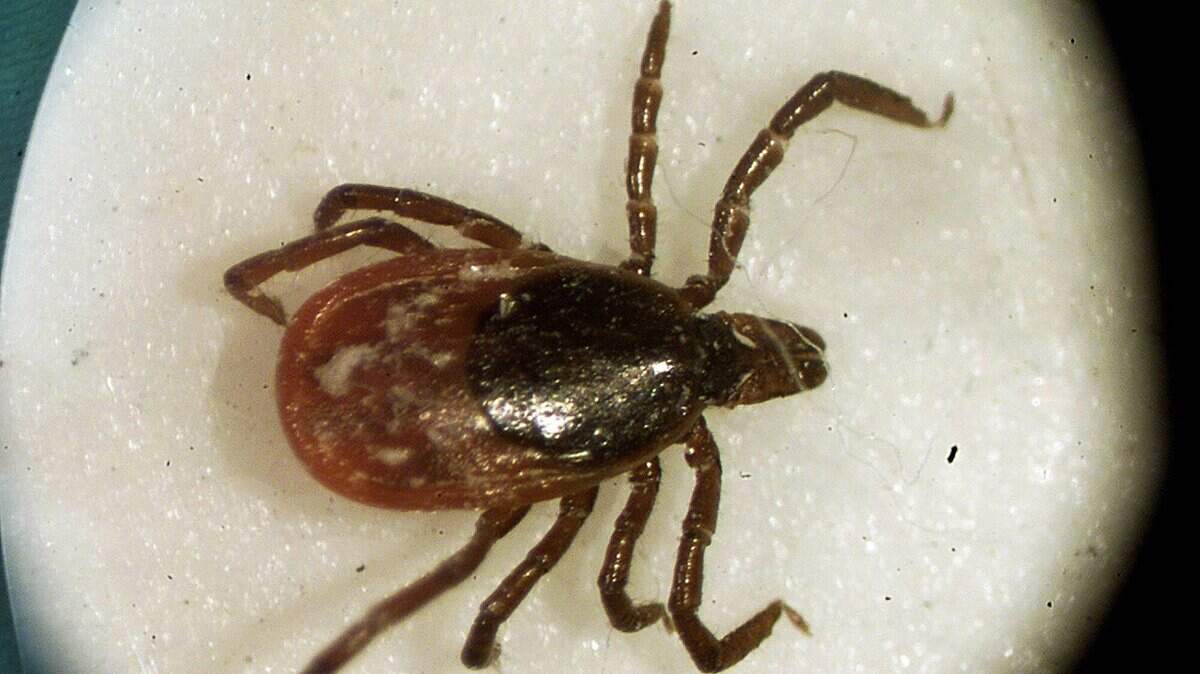
All ticks are blood-sucking parasites at the end of the day, so no tick is exactly a good tick, but most don’t spread harmful disease. Spotting a tick on your body shouldn’t be cause for immediate panic.
However, the Medical University of South Carolina does caution that disease is a possibility when ticks enter the equation. The best way to avoid tick-borne illness is to stay out of tall grasses, leaf piles and brush in the woods, according to MUSC. High-quality insect repellent such as DEET is also recommended.
If these precautions fail and a tick is found on your skin, remove it quickly. Disease transmission is not immediate — it usually takes at least 36 hours for a tick to transmit Lyme disease, according to the Centers for Disease Control and Prevention — but the longer a tick goes unnoticed, the greater the chance of contracting a disease from the parasite.
Contrary to popular belief, ticks should not be removed using heat, solvents, nail polish, Vaseline or other materials, according to the S.C. Department of Health and Environmental Control. Rather, pull the tick off using tweezers in a steady motion to avoid breaking off parts of the bug and leaving others attached to your skin. Make sure all parts of the tick are removed, then apply an antiseptic to the bite area once removed. MUSC advises people dispose of ticks by immersing them in alcohol or flushing them down the toilet.
Pets are susceptible to tick bites, too. DHEC recommends checking pets at least once a week and considering tick collars, shampoos or other tick repellents for your furry friends.
Common ticks in South Carolina include the deer tick, brown dog tick, American dog tick and lone star tick. Disease can only be spread through a bite. The following are the most common tick borne illnesses in South Carolina and some of their symptoms, according to DHEC:
- Ehrlichiosis: fever, headache, chills, malaise, muscle pain, nausea/vomiting/diarrhea, confusion, red eyes, rash
- Lyme disease: bulls-eye rash at bite site, fever, headache, muscle or joint pain, fever or flu-like symptoms, inflammation of the heart of nerves
- Rocky Mountain spotted fever: fever, rash, headache, nausea, vomiting, abdominal pain, muscle pain, lack of appetite, red eyes, rash
- Southern tick-associated rash illness: expanding rash, fever, malaise, headache
“All tick-borne diseases can be effectively treated with antibiotics but, as with all illnesses, the sooner the treatment the better,” according to MUSC’s website.