
This Cayce home has unwanted visitors - dozens of vultures. What can be done about them?
Amanda Bracy is dealing with some unwarranted guests that have been hanging around her Cayce home since the holidays. But these visitors are not out-of-town relatives — they’re a flock of vultures, dozens of which have been perching on her house or landing in her yard for weeks.
“They’re nasty,” Bracy said. “They doo-doo all over the place. I Googled them and they can pull up the stuff holding on the shingles to your roof.”
The first time Bracy noticed the birds was when they got into her trash can.
“I came outside and my whole front yard was full of trash,” she said. “So I figured they were after the trash. Now I just put it out when the trash truck comes.”
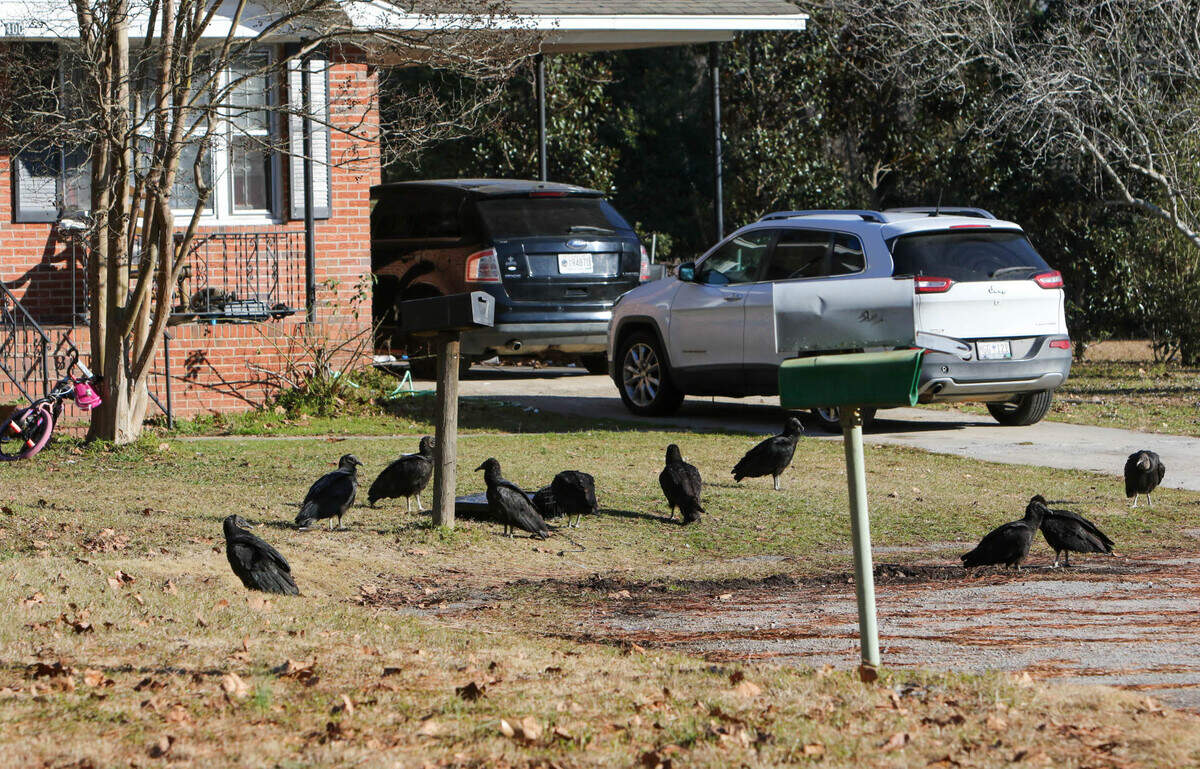
But that didn’t deter the vultures from visiting the house on Brookcliff Drive. Instead, the birds gather in large numbers daily on Bracy’s roof, yard, trees and other homes in the neighborhood. She hears them clawing on her roof. They ate the rubber off her daughter’s bicycle handles, and picked apart a neighbor’s windshield wipers.
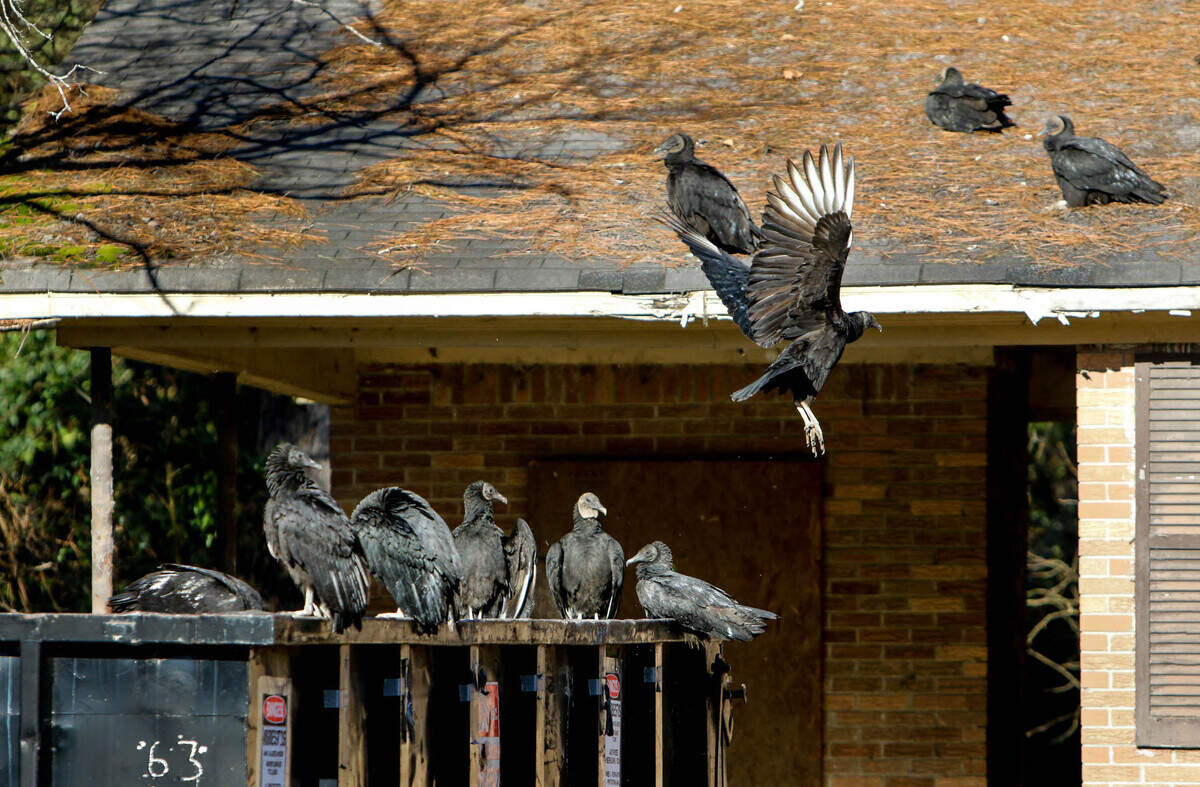
“My concern is germs, because they will poop on anything,” Bracy said. “My truck was covered in it the other day. I had to come out and set of the alarm because they were sitting on my truck in my carport.”
When The State visited the area, about a dozen of the vultures were perched on the rim of a dumpster outside a neighboring home. Several more were sunning themselves on the roof and even the front porch of an empty house. One large bird had found a comfortable spot on top of Bracy’s mailbox.
If approached on the ground, the vultures hopped across the lawn, but otherwise seemed unconcerned with their human neighbors.
Bracy’s house is near a wooded area that leads down to the public riverwalk. Several more birds could be seen perched in the trees closer to the Congaree River.
(If you’re wondering, the collective noun for perching vultures is a “committee.” If the birds are on the ground feeding, they become a “wake.”)
Vultures usually gather in an area for the reason you might expect — there’s usually a dead animal or other food source nearby, said Julie McKenzie, director of rehabilitation at the Carolina Wildlife Center.
“Until that food source is removed, they will hang around and keep feeding,” McKenzie said.
Like many migratory birds, the vultures are protected by federal law and can’t be killed.
“If it dies in your yard, you’re not responsible, but if you actively kill one, you could face federal charges,” said Lynnsey Baker with the city of Forest Acres, which has dealt with similar complaints about committees and wakes of vultures in the area.
Residents on Ponte Vedra Drive recently got permission from the S.C. Department of Natural Resources to use a device called a “bird banger” that emits a loud noise to drive the birds away. Baker said the same device was successfully used a few years ago to remove a pack of vultures that set up in Trenholm Park.
“They’re a part of the ecosystem, but we also know they can do damage to residences,” Baker said.
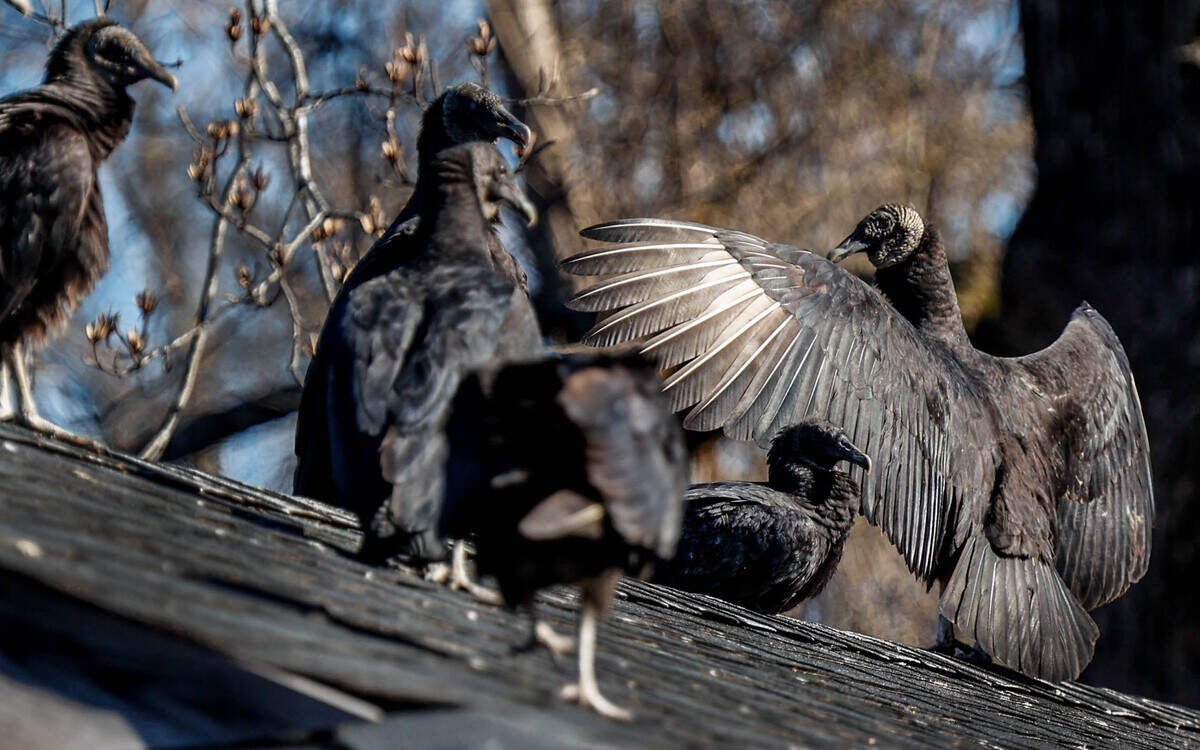
McKenzie notes that vultures don’t pose any threat to humans or pets. They are natural scavengers who only eat animals that have already died. She recommends other ways to deter the birds from hanging around. Mylar balloons, loud noises or music, the smell of ammonia — anything that might be unpleasant for the vultures.
“But they like the smell of dead things, so it’s hard to say what they wouldn’t like,” McKenzie said.
Bracy said she has searched the area around her house for anything dead that might be attracting the birds, so far without success. Meanwhile, the vultures return like clockwork every day, even during last weekend’s snowfall. She recently bought some fake owls that she hopes will scare the vultures away once she sets them up, but worries other remedies to make the area unpleasant for the birds will likewise make it unpleasant for her and her neighbors.
“Who wants to set off firecrackers every day?” she said.
The only remedy she can think of is that soon the vultures will lose interest in whatever attracted them to her street and move on.
“I don’t want to have to move,” Bracy said.
This story was originally published January 24, 2022 at 12:44 PM.
.jpg)