
750K of these birds visit Lake Murray annually. New movie tells how you can help save them
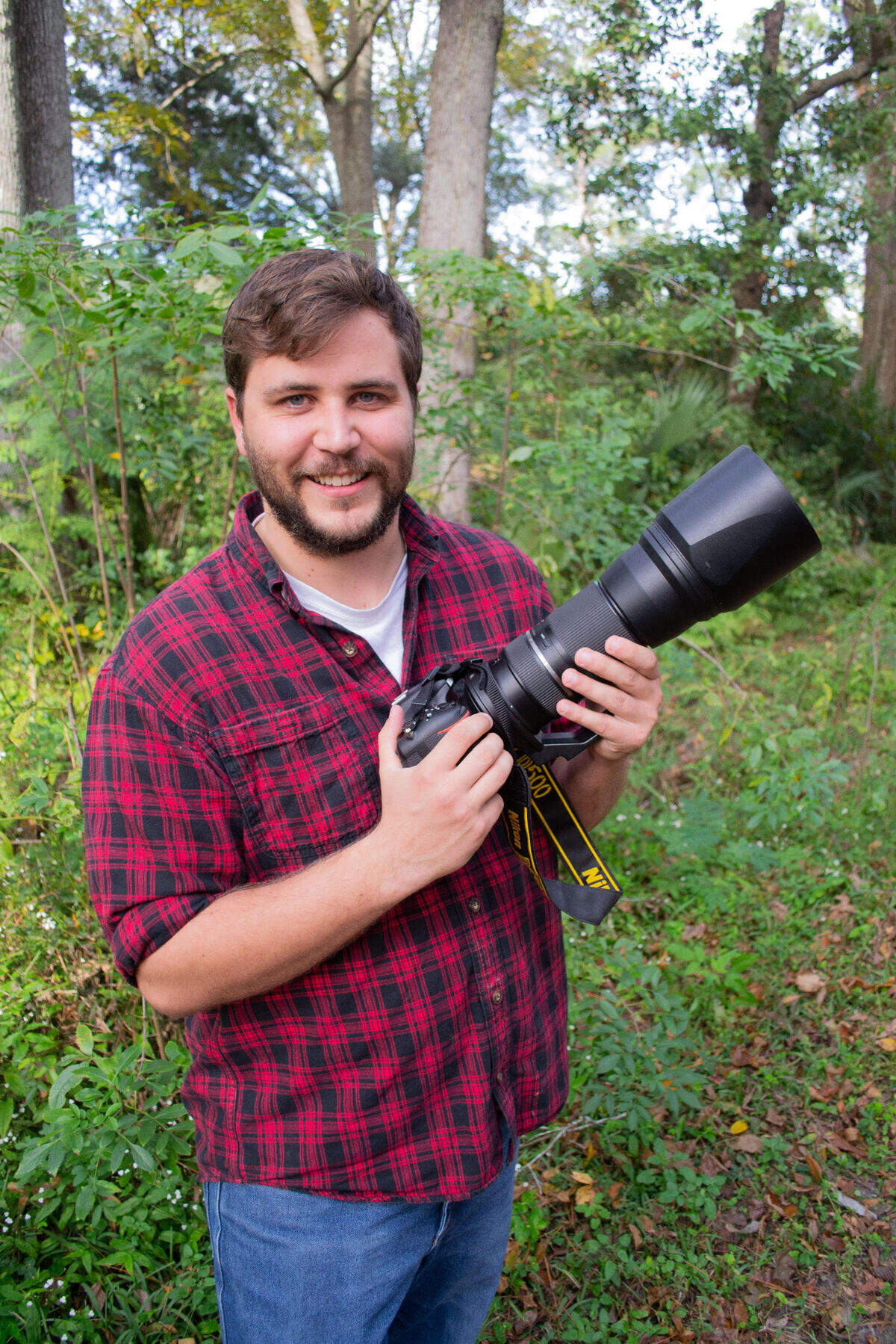
When Zach Steinhauser was growing up, he wanted to be the Crocodile Hunter.
The Lexington native didn’t want to wrangle giant reptiles per se, but he watched wildlife expert Steve Irwin’s TV show and saw not only a fun way to interact with the animal kingdom, but how film can inspire respect for the wild, and spark an interest in conservation and environmentalism.
“It’s not an easy thing to translate,” Steinhauser said, but he started thinking of it as something he’d like to do. “I talked to some pros, and they said just buy a camera and find a story to tell.”
So after earning his degree in wildlife conservation from the University of Florida, the Lexington High grad spent years working on his own nature documentary about one of the Midlands’ most recognizable birds, which will get its world premiere next month at the Lexington Icehouse Amphitheater.
“Purple Haze: A Conservation Film” documents the purple martins that gather every summer on Bomb Island in the middle of Lake Murray — and how those celebrated visitors need some human help to keep their home in the Midlands.
In addition to his day job as a naturalist at Wingard’s Market, Steinhauser has traveled from the Great Lakes to Brazil to document the purple-tinted swallows that have become a favorite of boating birdwatchers when the birds make their annual stop at Lake Murray before kicking off their intercontinental migration to South America.
“Bomb Island is right in the middle of the lake,” making it the perfect place for the small birds to gather away from any potential predators, Steinhauser said. “It’s a mile to the shore in every direction. For aerial predators, it’s difficult to fly all that way out in the open and not get noticed.”
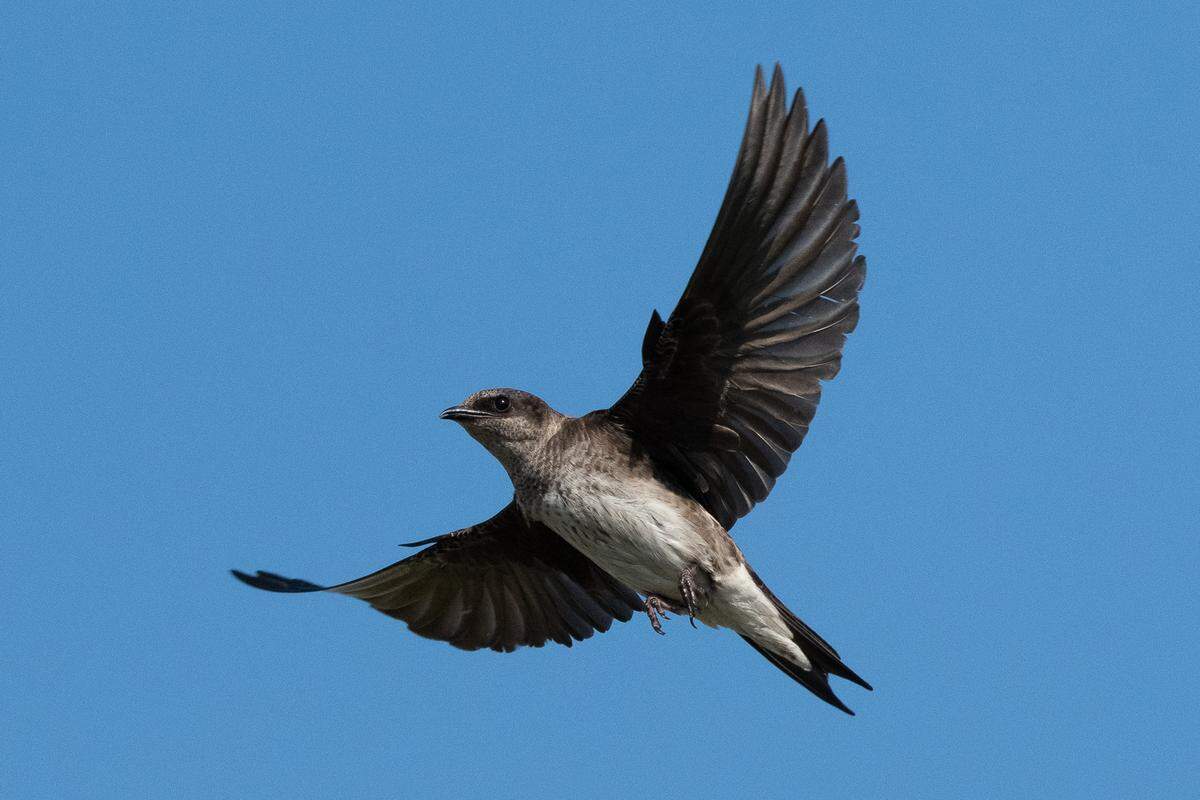
An estimated 750,000 purple martins gather at Bomb Island every year. The Purple Martin Conservation Association believes it’s the largest single pre-migratory gathering spot for the birds in the country.
Bird fans have also helped police the island, Steinhauser said. “They’re so beloved by the community ... boaters will harass and yell at you if they see you on the island while the birds are gathering.”
But while Bomb Island has become a major gathering spot for the martins’ annual migration, it’s not where they nest. For that — and this is the point Steinhauser wants his film to drive home — the birds have become almost entirely dependent on human-made habitats.
Purple martins nest in cavities, such as a hollowed out tree trunk. But Native Americans started the practice of hanging artificial nests in gourds near their crops, since the martins would eat insects that threatened the harvest. Europeans adopted the practice, while also cutting down much of the growth that provided the birds with natural nesting sites.
Experts today estimate any purple martins born east of the Rockies are hatched in artificial bird houses, Steinhauser said — and fewer people are putting up houses.
“They’re hardwired now into using manmade houses as a nesting habitat,” he said. “I want to give people the tools to keep them around, because if they quit, we could lose this phenomenon people love so much.”
One of the main missions of the Erie, Pa.,-based Purple Martin Conservation Association is to spread the word to potential “purple martin landlords” about their role in the species’ survival, said biologist Mercedes Leofsky.
“They’re unique in that they are dependent on us,” Leofsky said. “The population is in decline, so we really do have to spread the word that they are dependent on us to put out housing.”
It takes time though to set up a purple martin habitat in your own backyard. Steinhauser put one up in 2017, and didn’t get any martins until last summer. The habitats need to be at least 40 feet from nearby trees and buildings, and you have to work to keep other bird species out.
Steinhauser said when he saw competing bird species attempting to nest in his purple martin house, he would remove it and place a secondary house until the other birds laid their eggs in there, then put the purple martin habitat back up.
To attract a martin family, Steinhauser suggests hanging a nest early. The birds can start arriving in South Carolina as early as Christmas and nest through June.
The Purple Martin Conservation Association has tips for how to attract your own purple martin family on its website.
After nearly six years of work and editing 2,000 hours worth of footage, “Purple Haze” will get its debut with a screening at the Icehouse Amphitheater at 8 p.m. Saturday, April 23. Included with the show will be instructions on how to make your own martin habitat.
After his hometown debut, Steinhauser said he hopes to get the movie entered into film festivals later this summer, around the time the martins will be gathering on Bomb Island. If it’s a success, Steinhauser hopes to make more South Carolina-focused nature films.
More information on the film can be found at PurpleHazeACFMovie.com.
This story was originally published March 10, 2022 at 11:07 AM.
.jpg)