How high could Columbia gas prices get? And how long will they be above $4 a gallon?
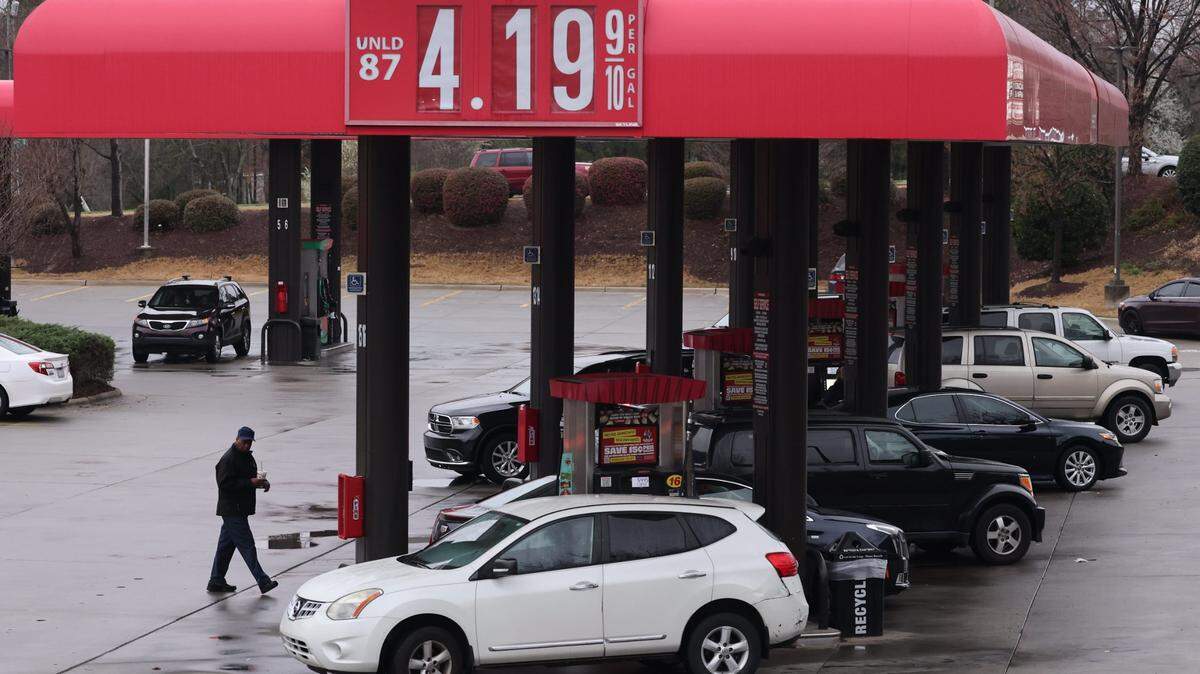
Columbia’s average gas price could continue to climb above $4 a gallon for months, some experts say.
Average prices spiked above $4 a gallon for regular gas in Columbia on Wednesday for the first time since 2008 — part of a weeks-long trend of skyrocketing fuel costs across the nation.
As of Thursday morning, the average price for a gallon of regular gas had jumped again to $4.10 in Columbia from $4.04 the previous day, according to AAA South Carolina. The city’s price was also above the state’s average of $4.07 but still below the national average of $4.31 on Thursday.
But what about gas prices in the coming months?
According to the recent 2022 gasoline forecast from GasBuddy, a popular fuel-savings app, gas prices will peak in May across the nation at $4.25 a gallon on average. However, the forecast estimates some places could see prices as high as $4.51 on average in May.
Columbia has already surpassed the forecast’s March estimated average of $3.97 a gallon.
“It’s a dire situation and won’t improve any time soon,” Patrick De Haan, head of petroleum analysis at GasBuddy, said of skyrocketing gas prices. “The high prices are likely to stick around for not days or weeks, like they did in 2008, but months.”
Columbia’s highest recorded average gas price was $4.209 a gallon in September 2008 during the Great Recession.
After May, GasBuddy expects prices to slowly drop over the next several months, but remain above $4 a gallon on average through October. However, $4 gas prices could possibly last through December.
“Americans have never seen gasoline prices this high, nor have we seen the pace of increases so fast and furious,” De Haan said. “That combination makes this situation all the more remarkable and intense, with crippling sanctions on Russia curbing their flow of oil, leading to the massive spike in the price of all fuels: gasoline, diesel, jet fuel and more.”
Fuel prices began slowly edging up earlier in the year due in part to a shortage of global oil inventories, according to the U.S. Energy Information Administration.
“Global oil inventories have fallen steadily since mid-2020 and inventory draws averaged 1.8 million barrels per day from the third quarter of 2020 through the end of 2021,” an EIA statement reads. “We estimate that oil inventories fell further in the first two months of 2022 and that commercial inventories in the OECD ended February at 2.64 billion barrels, which is the lowest level since mid-2014.”
Gas prices began rising more rapidly following Russia’s invasion of Ukraine in February. President Joe Biden then on Tuesday announced the U.S. would ban Russian oil imports in response to the invasion, a move expected to drive gas prices up further.
This story was originally published March 10, 2022 at 10:12 AM.