Doolittle Raiders museum planned for the Midlands, training ground for famed WWII bombers
Eighty years ago this week, a team of B-25s bombers, manned by 80 volunteer airmen, embarked on a secret and “very hazardous” mission, dropping the first bombs over Japan after the Pearl Harbor attack. The mission, whose early roots took shape just outside of downtown Columbia, proved to be an invaluable morale boost for the Americans, who had just entered the war, and a blow to the Japanese psyche.
The Doolittle Raiders, named after their charismatic leader, Lt. Col. Jimmy Doolittle, became famous in United States military lore, responsible for perhaps the most notable air raid in the nation’s history.
Now, eight decades after the momentous flight, a group dedicated to the restoration and display of military vehicles plans to create a museum honoring the legacy of the Doolittle Raiders at the site of the former Columbia Army Air Base, now the Columbia Metropolitan Airport.
The American Heritage Foundation, a Columbia-based group, is hoping to raise what’s likely to be millions of dollars to be able to create the Doolittle Raiders museum, according to Larry Russell, a 75-year-old Army veteran and member of the planning group.
“There is no museum in the country dedicated to the Doolittle Raiders,” Russell said.
What place more fitting for one than the very place the Raiders were born.
One-way mission
On April 18, 1942, 16 Army Air Corps B-25 bomber planes, the Doolittle Raiders, took off from the aircraft carrier USS Hornet to bomb Tokyo and other Japanese cities in retaliation for the sneak attack on Pearl Harbor.
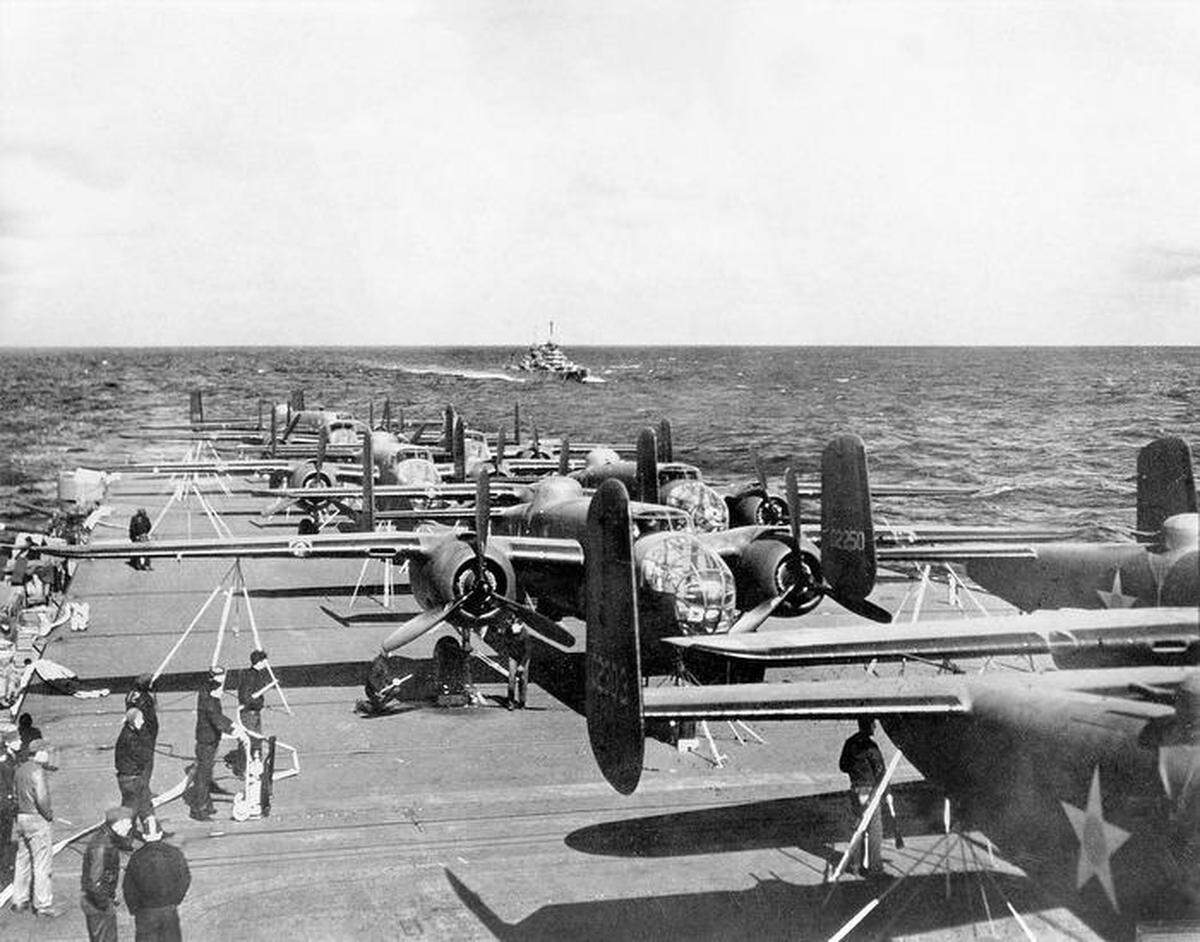
It was a one-way mission, considered near-suicidal, as it involved not only launching the bombers from the short runway of an aircraft carrier, but also the fact that bombers could not carry enough fuel for a long flight. They wouldn’t be flying back to safety.
Doolittle enrolled volunteers for the secret mission, and the Columbia Army Air Base was their very early training ground, before they moved down to Eglin Army Base in Florida.
Three of Doolittle’s airmen were killed in crash landings or while parachuting after the bombing run. The majority found safety in China after crash landings. Eight men were captured by the Japanese; three of them were executed and another died in captivity. One crew made an emergency landing in neutral Russia, where they were held in internment.
Though the Doolittle Raiders’ strike caused far less military damage than the attack on Pearl Harbor, the bombing was, if nothing else, symbolically and psychologically significant on both sides.
In a 2015 article in The State highlighting a history book on the Raiders, Jason Ryan wrote, “The raid communicated a clear message to Japanese soldiers and citizens: If you hit us, we’ll hit you back.”
“We should never forget the heroics of these crews and the ingenuity from the top down,” Kyle Sinisi, a history professor at The Citadel military college, told Ryan in 2015. “It spoke to adaptability, it spoke to flexibility. These are the kind of attributes that you need to win wars.”
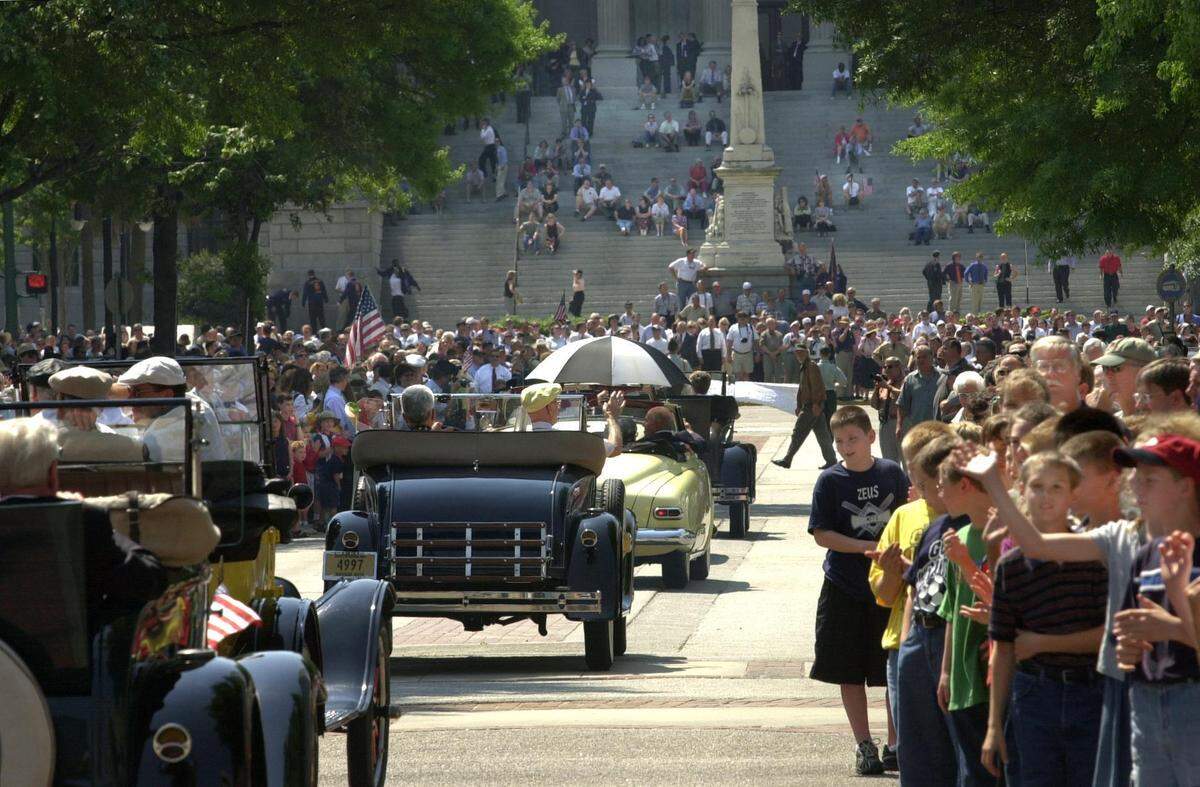
South Carolina, and Columbia in particular, has long taken pride in the Doolittle Raiders, honoring them by hosting anniversary events, reunions — and even parades — for the veterans over the years.
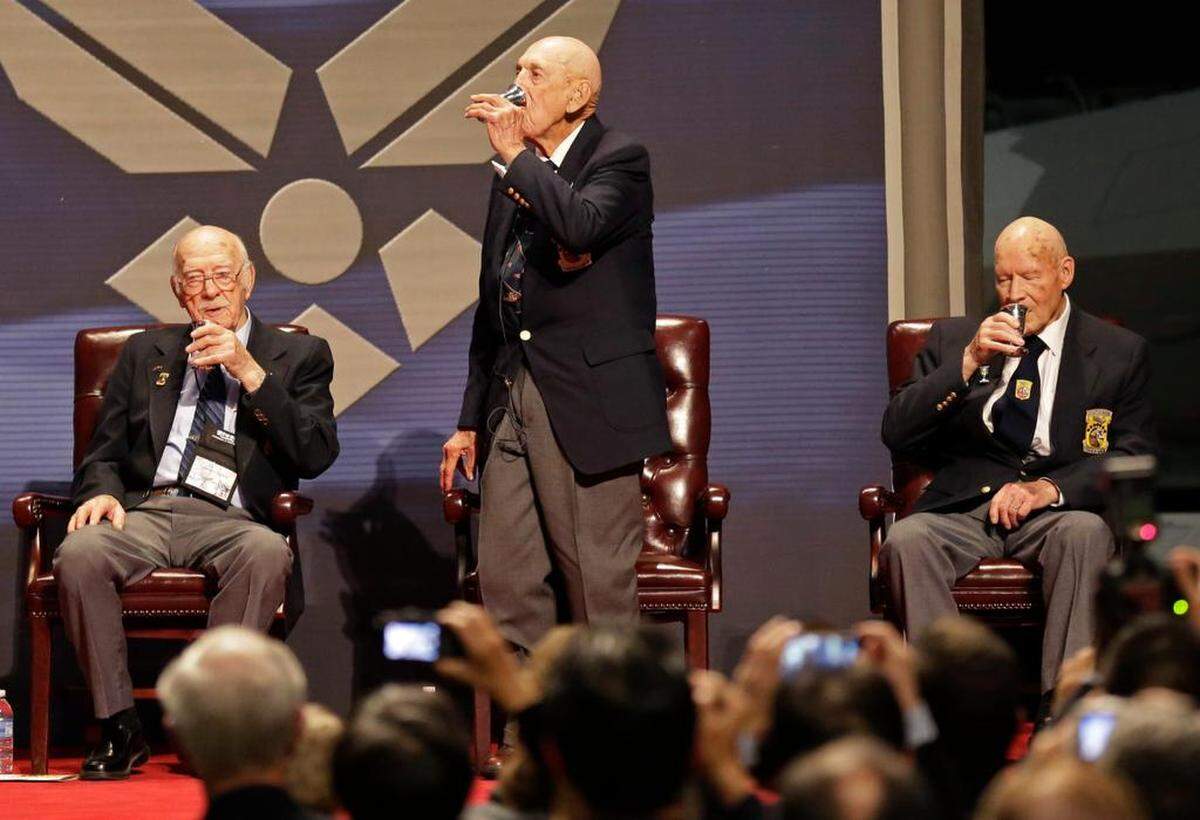
At the Raiders’ reunions, held each year across the country, the surviving Raiders would make their famous annual toast to their compatriots who had died. The last reunion was held in 2013, and the final toast was made in 2017.
The last surviving Raider, Richard “Dick” Cole, died in 2019 at the age of 103.
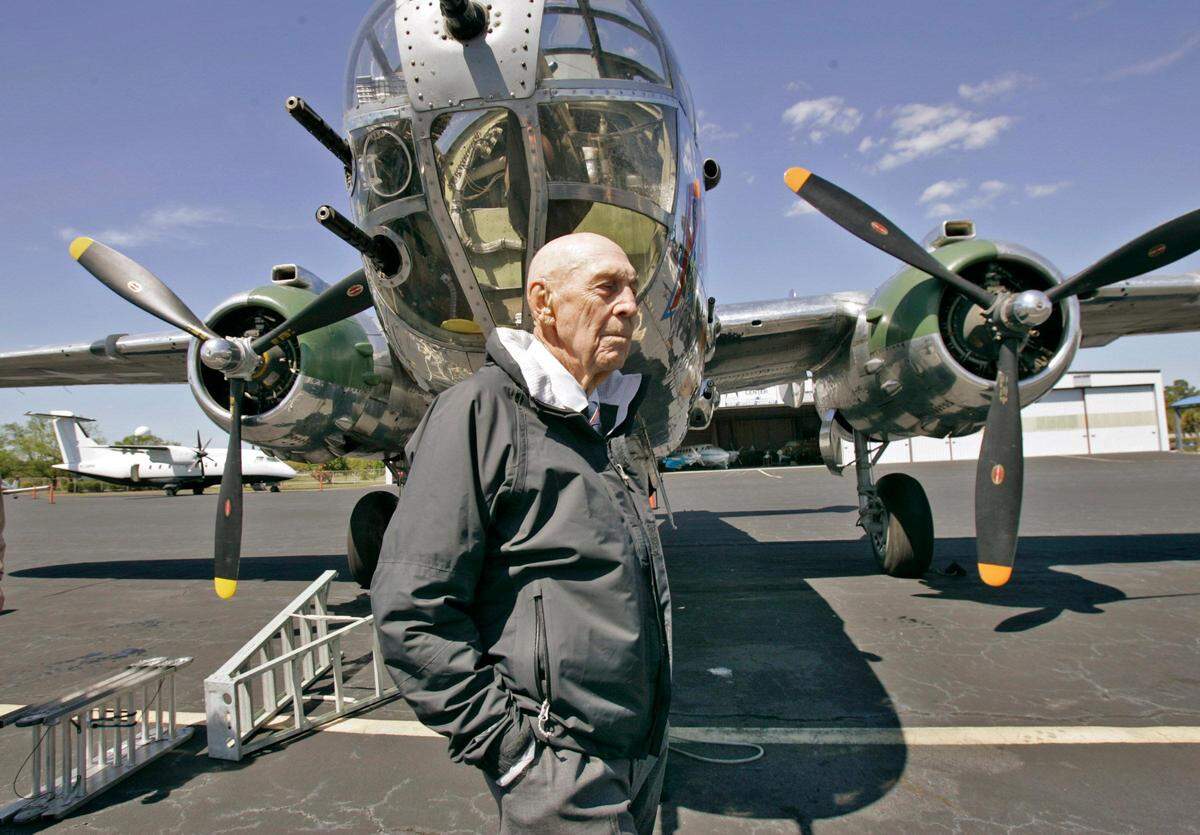
“Now, most of the World War II veterans are no longer with us. They can’t tell us” the stories, said Russell, of the American Heritage Foundation. “It’s probably more important now than it has been in many years” to tell the history.
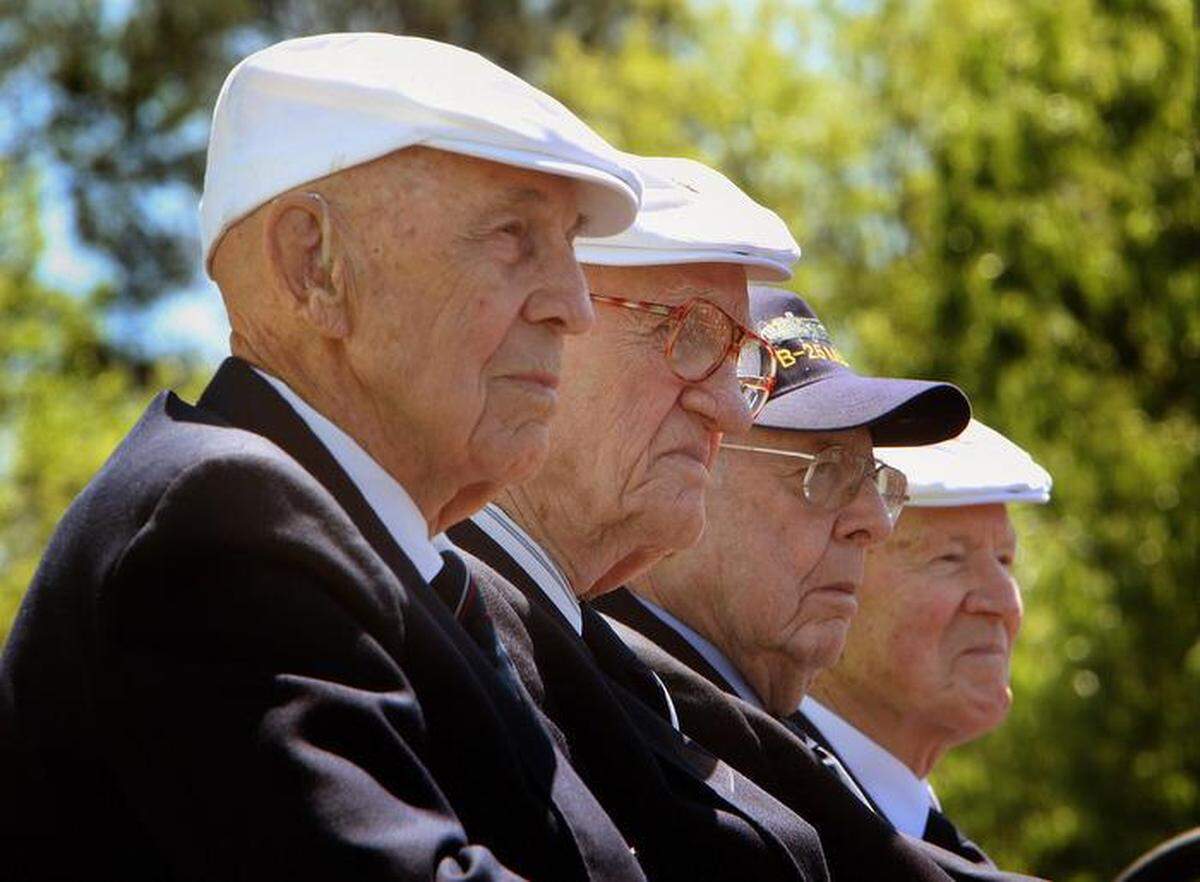
Celebrating the history
On Sunday, April 24, a celebration in honor of the Doolittle Raiders’ 80th anniversary will be held at the Skyline Club (100 Lee St., West Columbia) at the Columbia Metropolitan Airport, within a few hundred feet of the hopeful future site of the Doolittle Raiders museum.
There will be a World War II history presentation; a USO canteen-style dance with 1940s music played by the Capital City Big Band; displays of restored WWII military vehicles; and living history volunteers dressed in period uniforms. The event is free to the public, from 2-6 p.m.
.JPG "Doolittle19 Ponchito THB (1).JPG")
As for the museum, the American Heritage Foundation has about 5 acres of property adjacent to the airport, and a 20,000-square-foot slab — the former site of supply warehouse — where it hopes to build the museum.
Russell envisions restored B-25s on display at the focal point of the museum, with exhibits on the Columbia Army Air Base, war history and, of course, the Doolittle Raiders.
An architectural firm is already working with the museum planning group; the biggest hurdle ahead now is the fundraising, Russell said. While he estimates it may be two years or more before the museum comes to fruition, Russell said he hopes to see it in his lifetime.
“History teaches you what not to do as well as what to do,” Russell said. “In order for youth to grow up and be a good citizen you have to have a good understanding of where we came from.”