One breach could “end an entire generation.” Lower Richland residents oppose nuclear license renewal
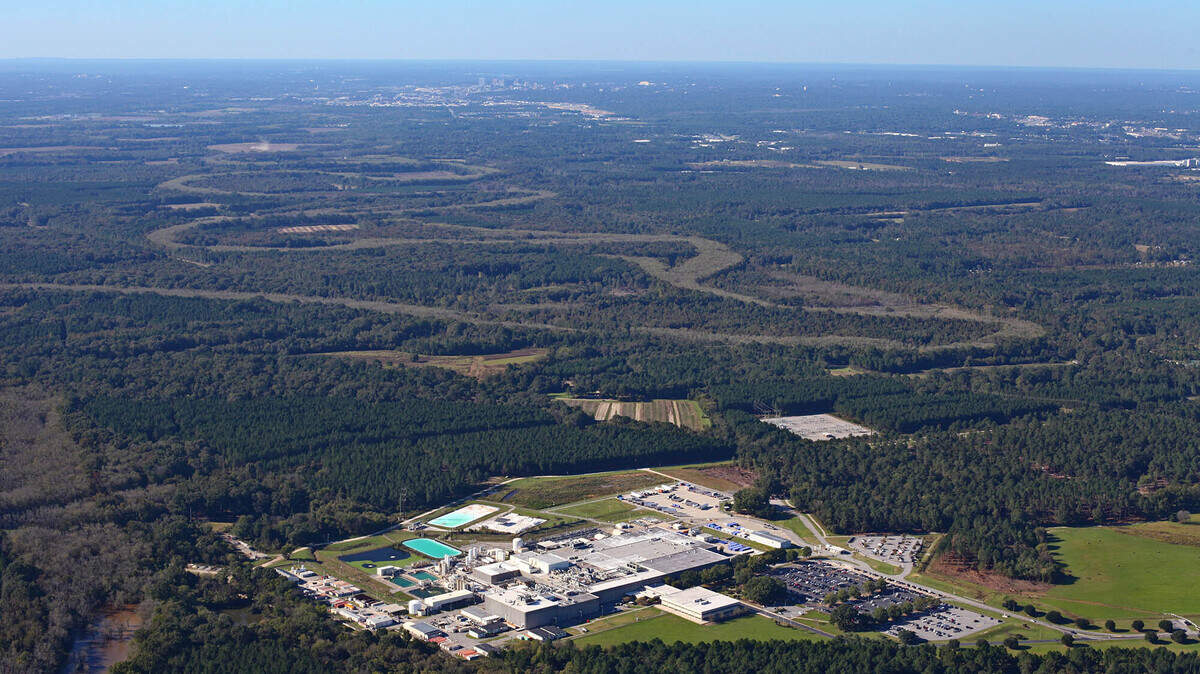
Many residents of the Lower Richland community are far from happy about the Westinghouse nuclear factory, and it isn’t the first time.
With the approval of a key environmental study Friday, the factory on Bluff Road will likely be approved to remain operating in the area for another 40 years, despite a history of environmental problems.
The U.S. Nuclear Regulatory Commission and Gov. Henry McMaster’s nuclear advisory committee are among supporters of a new 40-year license for the facility, established in 1969. But residents say they are worried. Four decades, they say, is far too long.
“None of us in the community want this,” said State Rep. Jermaine Johnson, D-Richland. “The older it gets the more oversight it needs. We cannot continue to let this thing go on because one breach could potentially end an entire generation down there.”
It’s easy to approve of the factory when you don’t live near it, Johnson said. His current House district does not include the Westinghouse plant, but in June he won the Democratic Primary in a reconfigured district that includes the plant.
Sharon Brooks, who spent much of her life in Lower Richland, has heard nothing but negative things about the facility since she was a teenager.
“It’s ridiculous,” Brooks said. “That plant has been a problem since they built it.”
Brooks said she doesn’t believe Westinghouse is transparent or truthful — she believes company officials cherry-pick the information they share.
“The community has to get together and fight it. The problem is that they don’t even know what’s going on,” Brooks said.
Virginia Sanders, a Lower Richland environmental activist and Sierra Club official, doubts that the facility, now more than 50 years old, can make a change. More than 50 different problems have been identified at Westinghouse since 1980 — from polluted groundwater to uranium leaks to endangering workers.
“This plant has a track record of horrible accidents. It has never operated in a safe manner,” Sanders said. “Now they are going to give them a 40-year permit.”
Sanders said she believes that Westinghouse had planned on getting the permit, that getting approval was merely a “dog and pony show.”
“The nuclear industry has always gotten their way. If it’s us against them, they always come out on top,” Sanders said. “In reality, they don’t care about what we think or how we feel. … We are no more than collateral damage to them.”
Despite the more than 1,000 jobs Westinghouse provides the area, the problems it has caused far outweigh the economic impact it may have had over the years, Brooks said.
“The plant was supposed to help the community out,” Brooks said. “It has given the community problems instead of positive stuff.”
And while jobs are all well and good, Johnson said health remains the top priority.
“If you’re going to have it down here, you have to abide by what the community says,” Johnson said. “Our health matters more than jobs.”
Sanders said the area should have never been picked for the factory in the first place. Two rivers converge there, the Congaree and the Wateree. Underground streams are abundant, the soil is porous and there is a high potential for flooding.
“It was put here because it’s an area of least resistance,” Sanders said.
In low-income communities where many work multiple jobs, few have time to stand up against plants like Westinghouse, she said.
Following a 2018 uranium leak, Westinghouse has been more open with the community, Johnson said.
Westinghouse stepped up and did a better job of communicating with residents, he said. Even so, he is concerned that openness might end once the new license is approved.
“We’re going to hold them accountable,” Johnson said. “We want them to continue keeping us in the know, continue to be responsive to our requests and make sure they’re doing what they’re supposed to do.”
This story was originally published August 1, 2022 at 10:31 AM.