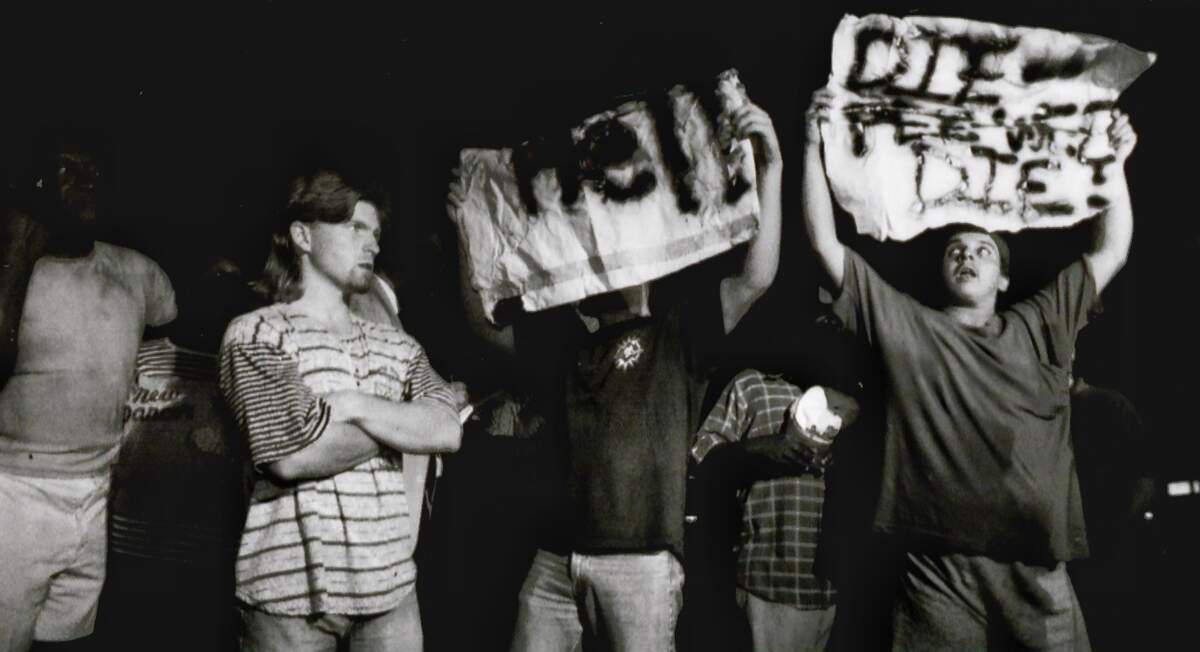
40 years ago, infamous SC killer ‘Pee Wee’ Gaskins slayed last victim — a fellow prisoner
He said he always kept people in mind — to blow up.
On Sept. 12, 1982, it was Rudolph Tyner, a South Carolina death row inmate, who Donald “Pee Wee” Gaskins had in mind.
South Carolina’s most infamous mass murderer slayed his last victim 40 years ago, a man already sentenced to death for the double murder of a South Carolina couple.
On a Sunday afternoon inside the high-security Cell Block 2 at Columbia’s Central Correctional Institution, home of the state’s death row, a booby-trapped cup exploded in 24-year-old Tyner’s hand as he held it to his ear like a radio, reportedly while sitting on a toilet. He had been duped to death by his prison pal Gaskins, who was hired by a man on the outside to take out deadly revenge on Tyner.
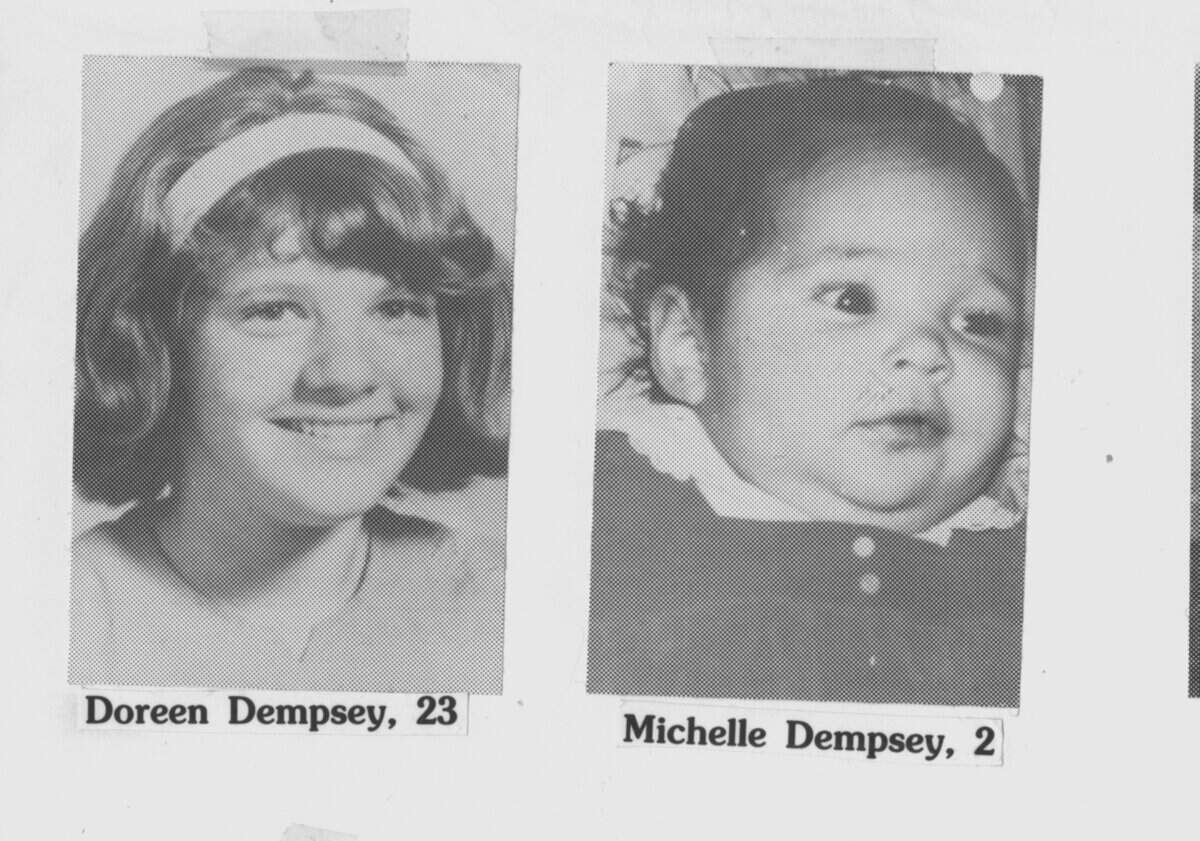
Gaskins had confessed to executing 15 people — a man who owed him money, a wealthy farmer he robbed, a pregnant woman and her toddler, a runaway girl, his own 15-year-old niece and more. On that day 40 years ago, he did his last work.
Tyner’s death earned Gaskins, who already was serving 10 life sentences, a death sentence of his own. (It was, in fact, the second time Gaskins had been sentenced to death. His first sentence was overturned when the U.S. Supreme Court ruled in 1976 the death penalty was unconstitutional, before it was later reinstated.) Gaskins was executed in the electric chair on Sept. 6, 1991.
“When I think of Pee Wee Gaskins, I think of that night when (then-state law enforcement chief) Robert Stewart called me and said, ... ‘Pee Wee’s dead.’ The relief I felt,” said attorney and state Sen. Dick Harpootlian, a prosecutor at the time who tried Gaskins for Tyner’s murder and secured his death sentence. In the weeks before Gaskins’ execution, he plotted to kidnap and kill Harpootlian’s then-4-year-old daughter.
“Here’s a guy who, he wasn’t some Ted Bundy serial killer,” Harpootlian said in a recent interview with The State. “This was a guy who just killed people because, to him, they crossed the line, whether it was drugs or race or he thought they were somehow going to betray him or had betrayed him. His solution to the common, ordinary problems was to kill the problem.”
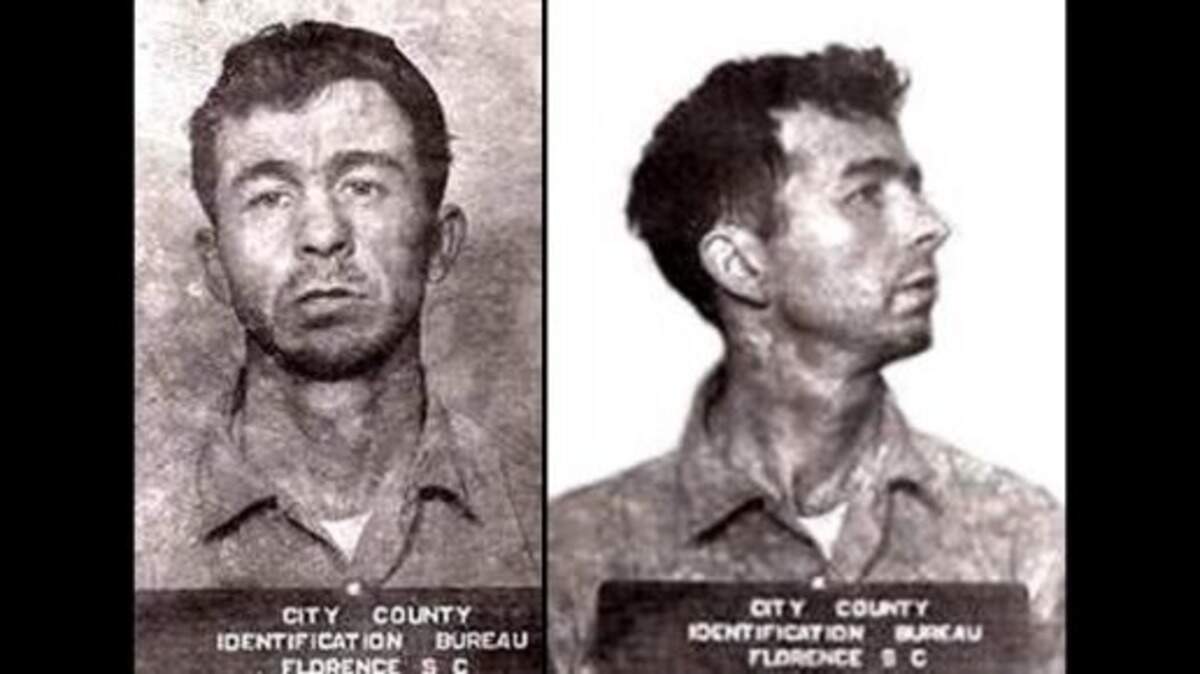
Today, in an age of true crime fanaticism, Gaskins still holds a macabre grip on people in South Carolina and beyond.
Five days before Gaskins’ execution, reporter Margaret O’Shea described the gory legend of Gaskins in an article in The State newspaper on Sept. 1, 1991:
“By his own account, he knows what it’s like to crush a man’s windpipe and watch the blood gush. He’s drowned a pregnant woman and a baby. He’s laced a soft drink with the acid used to develop photographs and watched it develop a corpse.
“He’s beaten young girls to death with his fists, stabbed a woman in the chest with a long-bladed knife and shot people in the back of the head, execution-style. An autopsy showed that one of his victims died when a gun was held under her halter, with the muzzle pointed at her head.
“Gaskins gave a 331-page statement in 1978, describing 15 murders as casually as most people tell what they had for breakfast.”
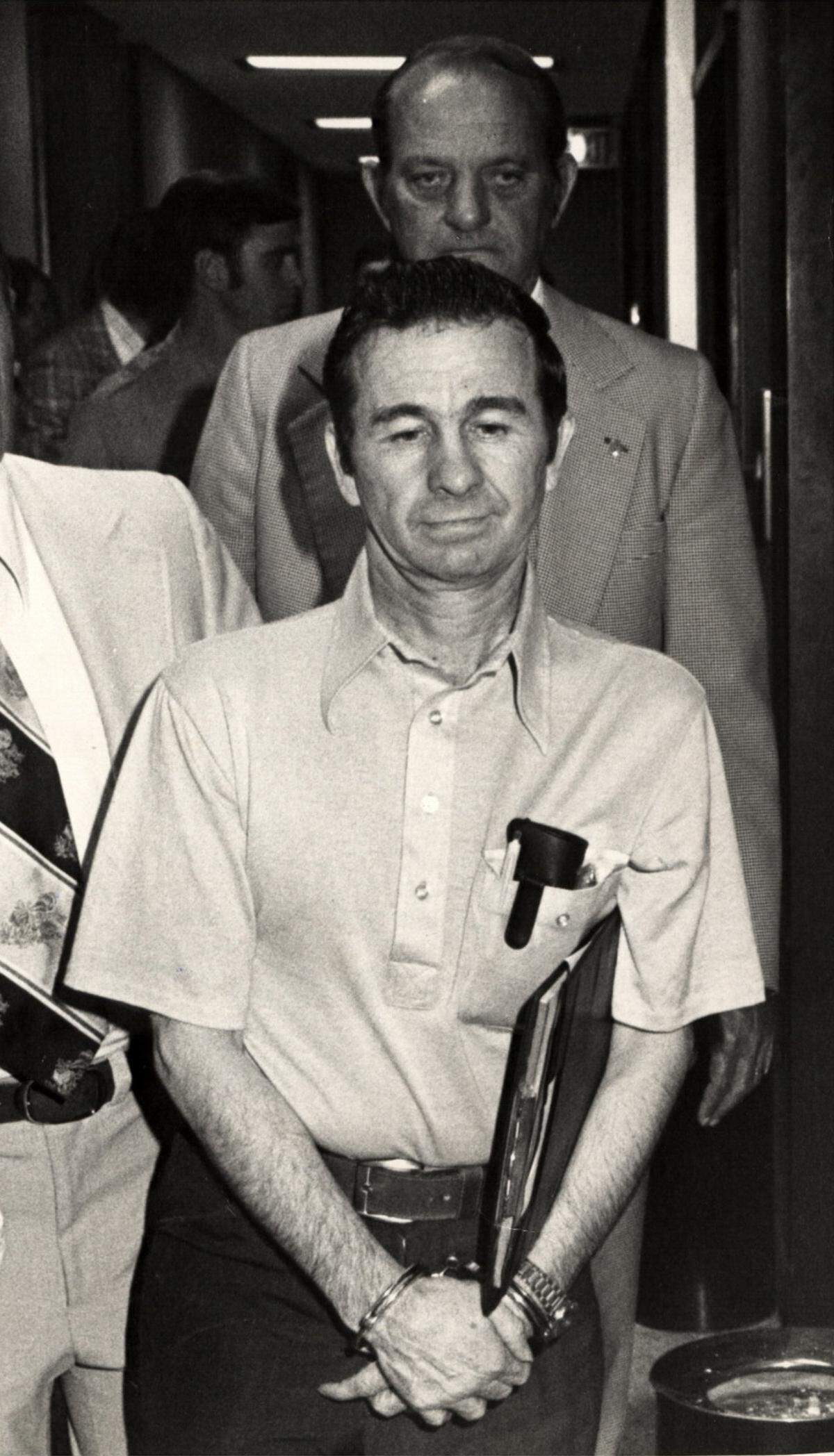
Gaskins was convicted of 10 known murders, including Tyner’s; he confessed to 15 and reportedly was suspected in still more. He pointed authorities to the buried bodies of at least 13 people.
A native of Florence County in South Carolina’s Pee Dee region, Gaskins was distinguished by his unassuming stature — around 5-foot-2 and 120-something pounds with a falsetto voice. He was known to be clever, with a good sense of humor. But he could be mean. He drove a purple hearse with steel casket holders.
Another State newspaper reporter, Clif LeBlanc, in a 2015 article described Gaskins as “a little man with a squeaky voice, dead eyes and a black heart.”
“A real odd bird,” Harpootlian called Gaskins. “He was either real nice, or he killed you.”
“All of my life, it seems, cops were coming into our backyard or wherever digging for bodies,” Gaskins’ half-sister Carol Hottell said in a 1991 interview with the Phoenix New Times newspaper. “I’ve had my whole life trying to learn how to cope, and I’m still struggling. You read about or hear about a killing that your brother did, and you feel some guilt for being the same blood, for having the same mother.”
“We hated him for what he had done to all those people,” Hottell told the newspaper. “We found later that he killed my niece and had the body in the trunk when he came over to see us. We had coffee and cake, and it was like a little family gathering. He buried her about a half-mile from our place. We didn’t know that for seven years.”
Inside downtown Columbia’s infamous Central Correctional Institution, the diminutive murderer was trusted among his fellow inmates and prison staff in Cell Block 2. O’Shea reported that Gaskins ran a pawnshop of sorts within the prison, made loans to other inmates, trafficked in drugs and other contraband and doled out jobs for sex. He was trusted with making repairs in the cell block, so he had a set of tools. He called and wrote letters to news reporters. He’d go on hunger strikes and intentionally overdose on Valium.
Tyner, meanwhile, was a young man from New York City who had been sentenced to death by the electric chair for the 1978 shotgun killings of Myrtle and Bill Moon, a husband and wife who owned a small grocery store in Murrells Inlet, which Tyner also robbed of $200.
But the long delay between Tyner’s sentencing and fate was too long for Tony Cimo, Myrtle Moon’s son from a previous marriage. Hoping to speed along the death of his mother and stepfather’s killer, Cimo hired a man on the inside to take care of the job: Gaskins.
“I don’t feel the good Lord holds nothing against me for this,” Cimo, a bricklayer from Murrells Inlet, told The Washington Post in a 1983 article. Tyner, he said, “was like a rabid dog that needed to be done away with.”
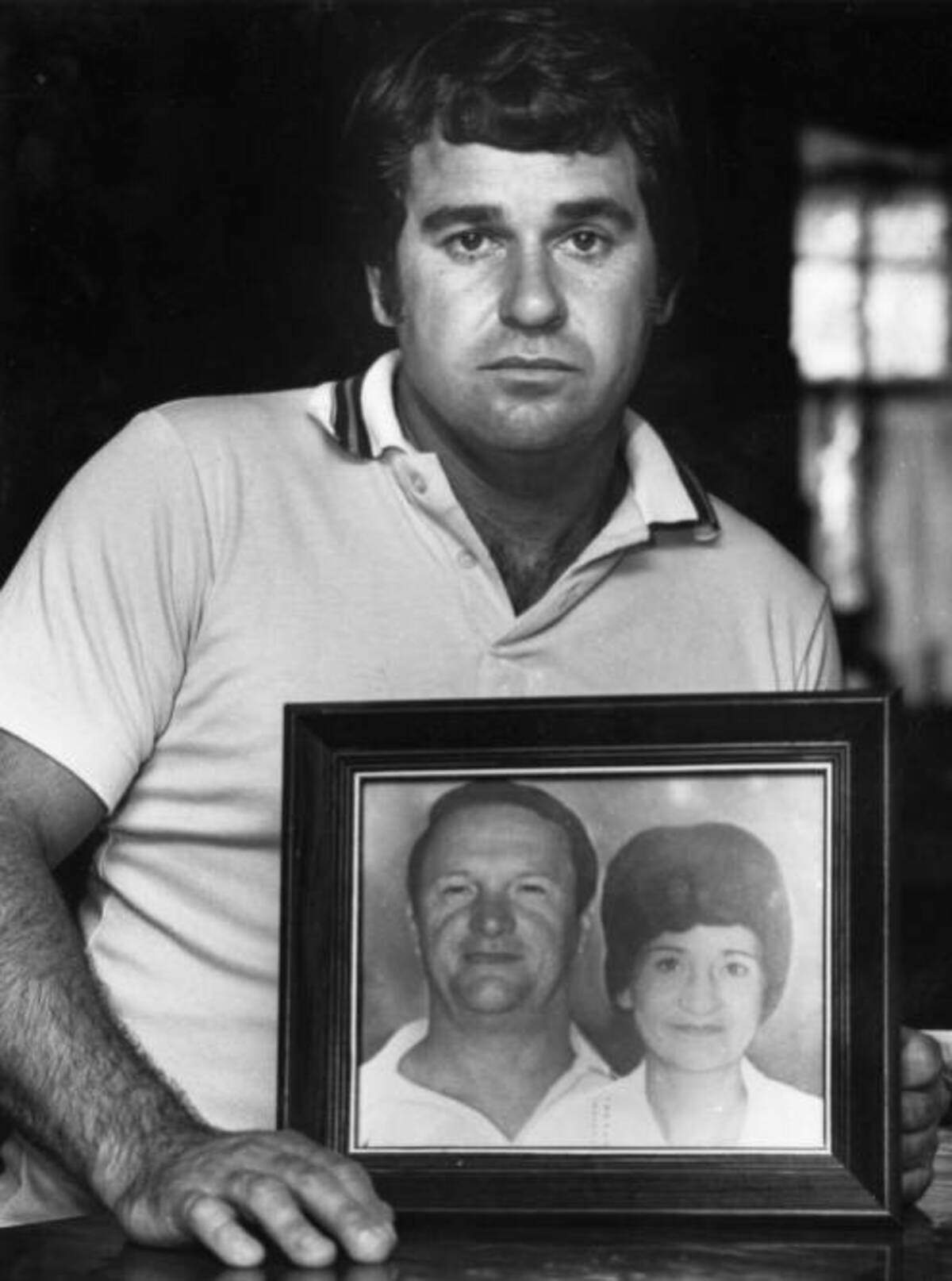
Through a small string of connections, Cimo made contact with Gaskins and, over a series of phone calls, they plotted the hit on Tyner. First, they planned to poison Tyner. The State reported that Cimo had boiled toxic oleander leaves and mailed them to Gaskins, who sprinkled it on Tyner’s food, which only resulted in making Tyner sick.
They then turned to explosives, C-4, which was smuggled in to Gaskins. That did the trick.
Gaskins later denied that he was responsible for Tyner’s death, but the recorded phone calls between him and Cimo were damning evidence.
“Pee Wee made it easier than it should” have been to secure the death penalty sentence, Harpootlian said.
Three other men, including two inmates, pleaded guilty to conspiring in the murder plot.
For his part, Cimo was sentenced to eight years in prison for conspiring with Gaskins; he was granted parole after serving less than three years of his sentence. Cimo died in 2001 at the age of 54.
Gaskins, at the age of 58, met his own end at 1:10 a.m. Sept. 6, 1991. In the hours before, he had slashed his wrists and arms with a razor blade he had lodged in his throat and regurgitated.
As LeBlanc wrote for The State in 2015:
“It took 20 stitches to save him for the electric chair.”