Another step closer to riverfront development: Columbia’s Greene Street bridge finally opens
A train rumbled underfoot as local dignitaries lined up on folding chairs positioned center stage on Columbia’s newest bridge. This wasn’t just any ribbon cutting, however.
The roughly $23 million project to renovate Greene Street and connect it to Huger Street across the CSX and Norfolk Southern railroads has been years in the making, and its completion signals the potential for some serious new development downtown.
“This is the perfect example of your penny at work,” said Richland County Council member Allison Terracio, who referenced the countywide penny sales tax that financed the long-awaited project.
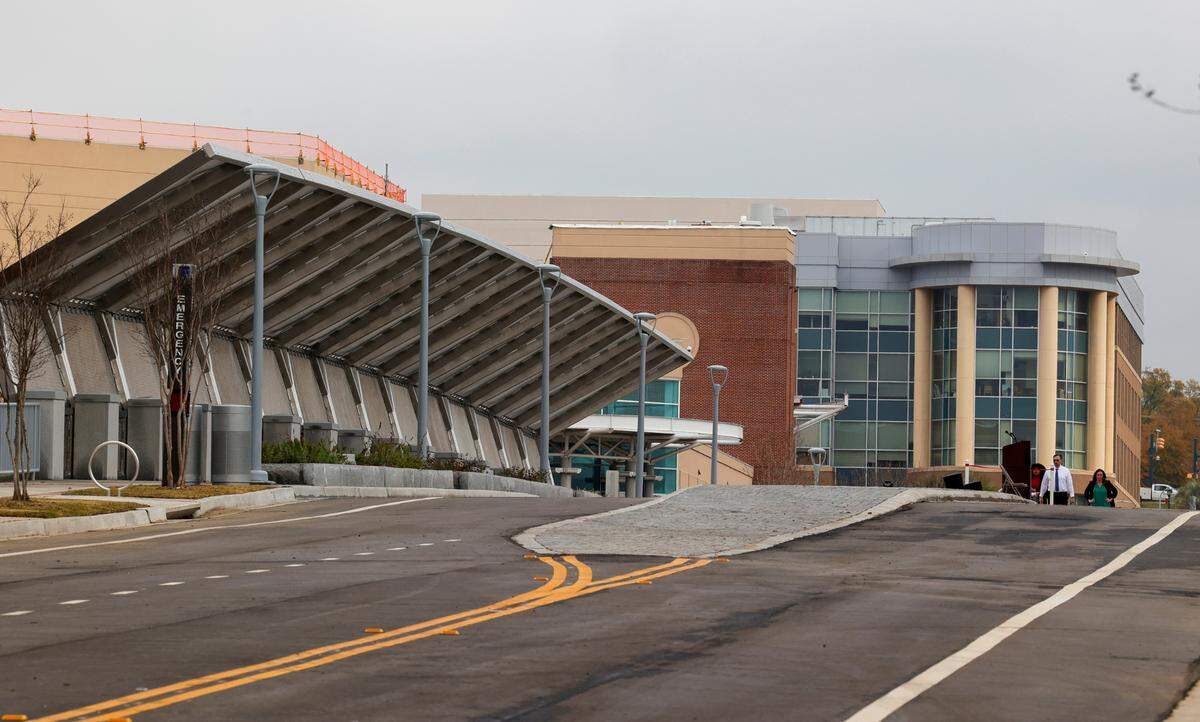
Columbia-area motorists can now traverse the brand new bridge connecting Greene Street to Huger Street, near the University of South Carolina’s Colonial Life Arena.
The work on Greene Street has been in the making since 2012, when Richland County voters approved spending $50 million of penny tax dollars on a three-phase project that promised eventual riverfront access.
Greene Street has long been viewed as the University of South Carolina’s arterial road, connecting campus to Five Points in the east and downtown and the riverfront in the west. The university in the early 1990s had identified it as the would-be thoroughfare for a more westward growing campus.
The project’s completion begins to make good on that projection, with student housing already growing in the Vista area.
The first phase of the $50 million project saw Greene Street between Assembly and Gadsden streets condensed to a three-lane, more pedestrian-friendly road and the addition of bike lanes along with the beginnings of a “foundation square” at the intersection of Greene and Lincoln streets. That work cost just under $18 million.
The second phase just wrapped up – bridging Greene Street to Huger across the CSX and Norfolk Southern railroad crossing. The work started in January 2020. And cost about $23 million.
The final phase is to eventually connect Williams Street between Senate and Blossom streets. That step would create a road between Huger Street and the Congaree River, meant to buoy new development along the riverfront and to eventually open into a crown-jewel riverfront park.
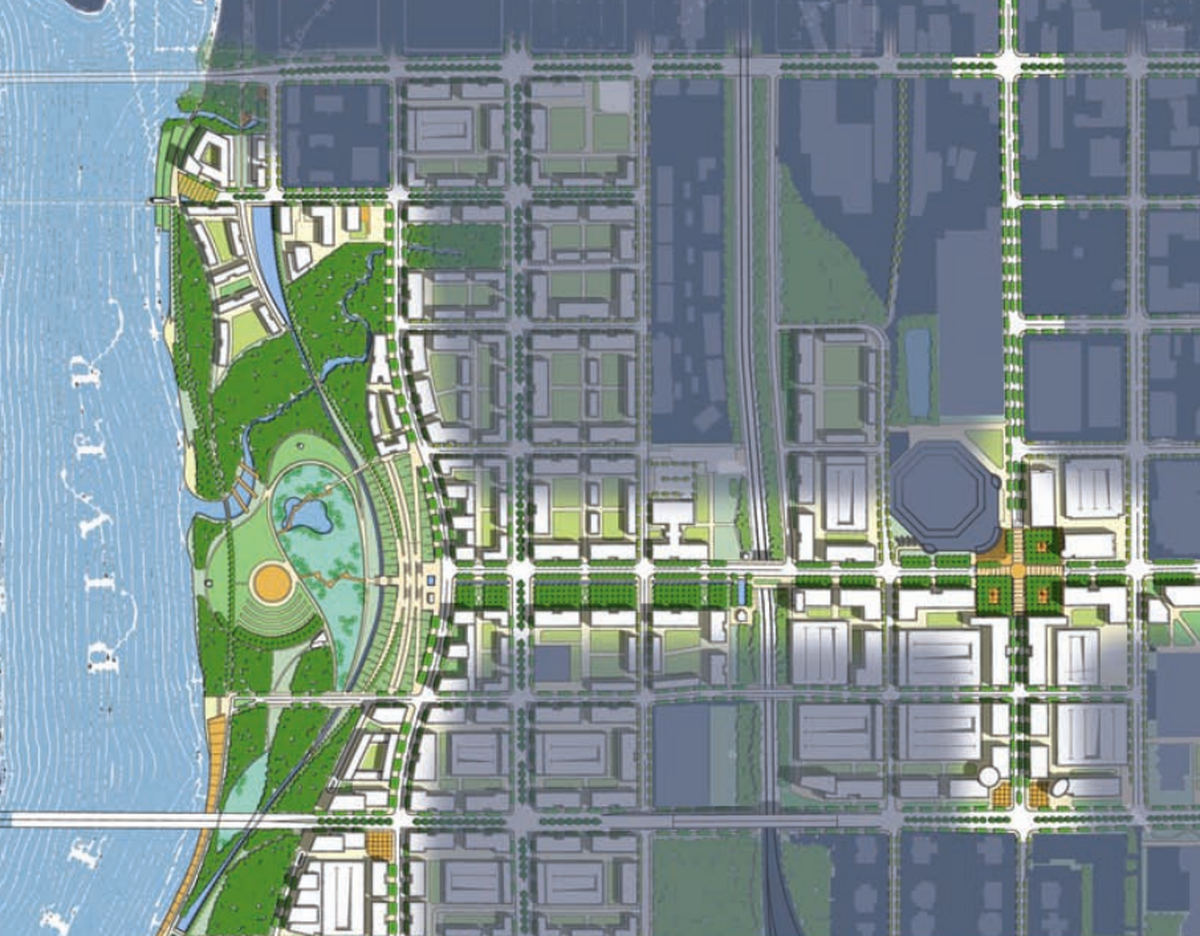
The county was initially also supposed to lead the final phase of the project, which only included the roadwork — not construction of a new park. But now the city of Columbia instead has taken over the Williams Street phase. The city will use roughly $8 million remaining from the $50 million county penny tax allocation for the project, as well as $9 million earmarked by state lawmakers, said Columbia City Councilman Will Brennan.
Brennan said city engineers believe they can finish the basic infrastructure work with the amount they have and that work could be complete within the next two years.
At the same time as the city, county and other parties determine next steps for Williams Street, Dominion Energy is in the midst of clearing the other roadblock preventing riverfront development: toxic coal tar.
Toxic coal tar left by a manufactured gas plant that drained waste into the river in the early 1900s was identified in the area around 2010, but it’s a years-long effort to clean it up. Dominion Energy, which is responsible for the cleanup because of its purchase of the former S.C. Electric & Gas Co., estimates it will take between three and five years to finish.
“You can’t really get on with life and development as long as that project is hanging out there and could rear its ugly head at any point in the future,” longtime landowner Charlie Thompson previously told The State.
Thompson co-owns and manages the bulk of the property an eventual riverfront park would be built on. He is a descendant of the famous Guignard family and manages their properties, which include the vital riverfront parcels eyed for development.
County officials Wednesday said the bridge completion is a new phase in Columbia’s growth, with hopes that it can alleviate traffic and encourage new development in the “Innovista” district adjacent to the Vista.
“The opening of the bridge paves a new avenue for private sector investment, increased revenue from property taxes and new jobs,” Terracio said.
This story was originally published December 7, 2022 at 3:01 PM.