A small town wanted a downtown, but residents won’t budge. Is Irmo’s dream dead now?
One by one Tuesday night, property owners approached the microphone at the front center of Irmo’s town hall to say basically the same thing: They would not be selling their property, and they didn’t want to be asked again.
“I am not interested in selling to anyone, and I am not interested in talking about it anymore from this point on,” said one property owner, Lorna Hipps.
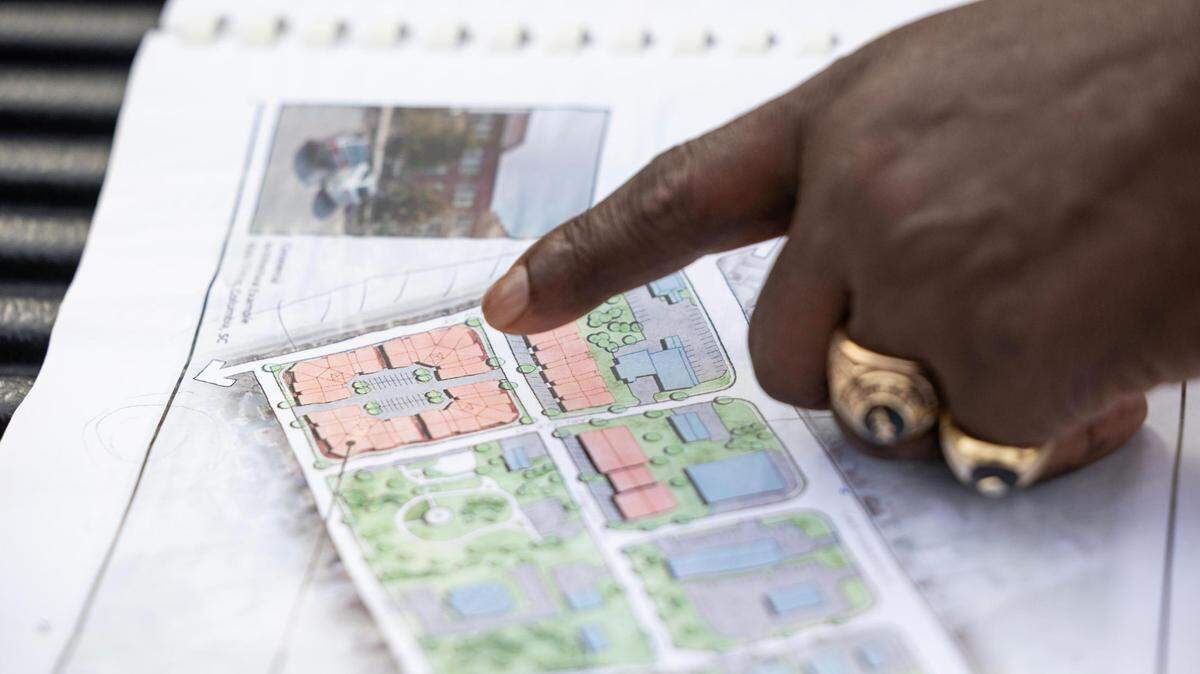
The trouble began when news reports circulated that Irmo Town Council was planning a major development near Community Park, the venue of the town’s famous annual Okra Strut festival. They wanted to build a downtown for the city, a central business corridor, which in a town bisected by rail lines never developed itself.
At first, advocates were excited to share news of the project. Councilman Bill Danielson did a long interview with a local real estate podcast in early January, and news quickly spread about what would be one of the biggest economic development projects in recent Irmo history.
But no one had told the landowners whose property would be needed for the project to move ahead, and no one told the property owners who would live near the new development.
“They were disrespected,” Mayor Barry Walker recently told The State. “At that point, now you have people up in arms saying, ‘Wait a minute, no one talked to us, but you talked to everybody else.’”
Town leaders say the project is now dead. They’re no longer going to try to buy any private property around Moseley Avenue. Residents remain wary.
At the same time, with one site down, town leaders have limited options if they still wish to create a community core.
As Irmo continues to grow — buoyed by high-performing local schools and the continued outgrowth of Columbia suburbs — leaders say the town needs to invest in its future by anchoring more businesses and creating more retail options for locals.
A new community core
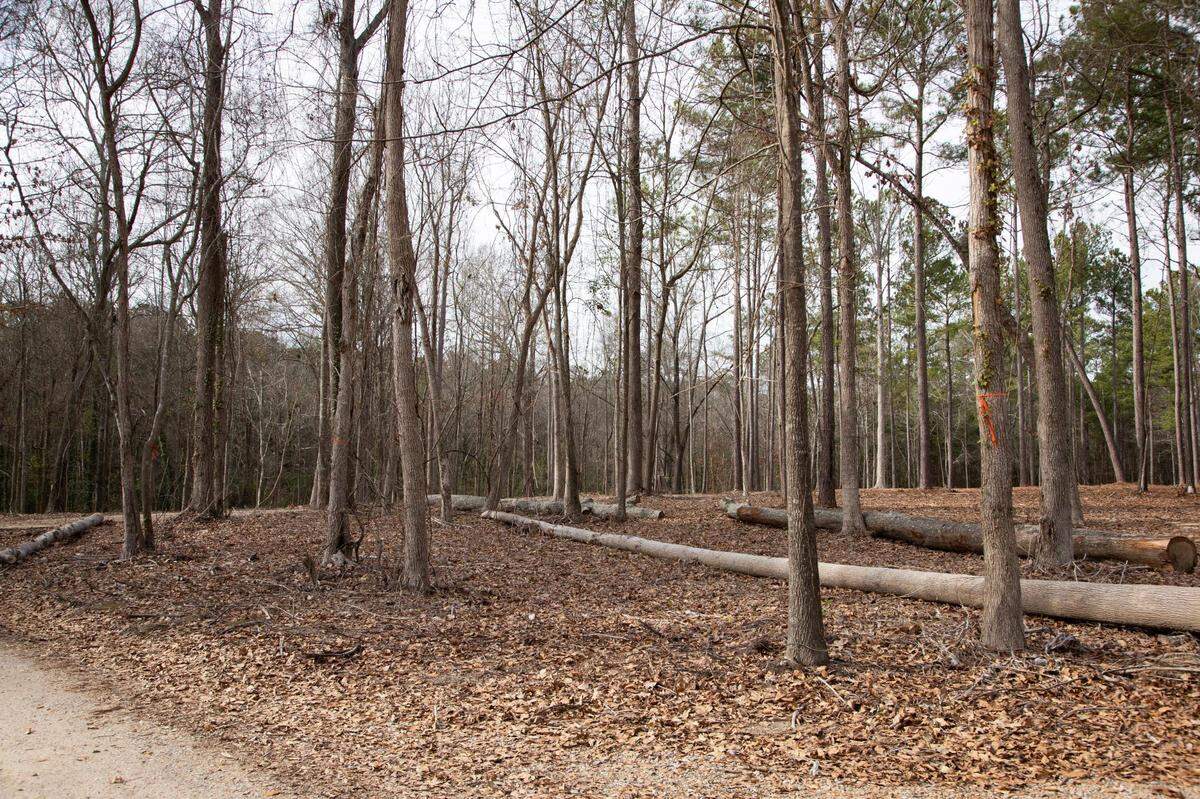
Roughly 12 acres of dirt and woods occupy the now-dead project site on Moseley Avenue where leaders had hoped to build a new business district for local shops and offices.
The project would have stretched from Loveland Coffee on Carlisle Street to Church Street on the other end of Irmo Community Park.
The idea began in 2020 with a survey sent by the town’s Chamber of Commerce asking for input on how to improve the area. From the responses came the idea for the new downtown — an area where Irmo residents could run and patronize local businesses instead of traveling to Columbia or Lexington for their entertainment.
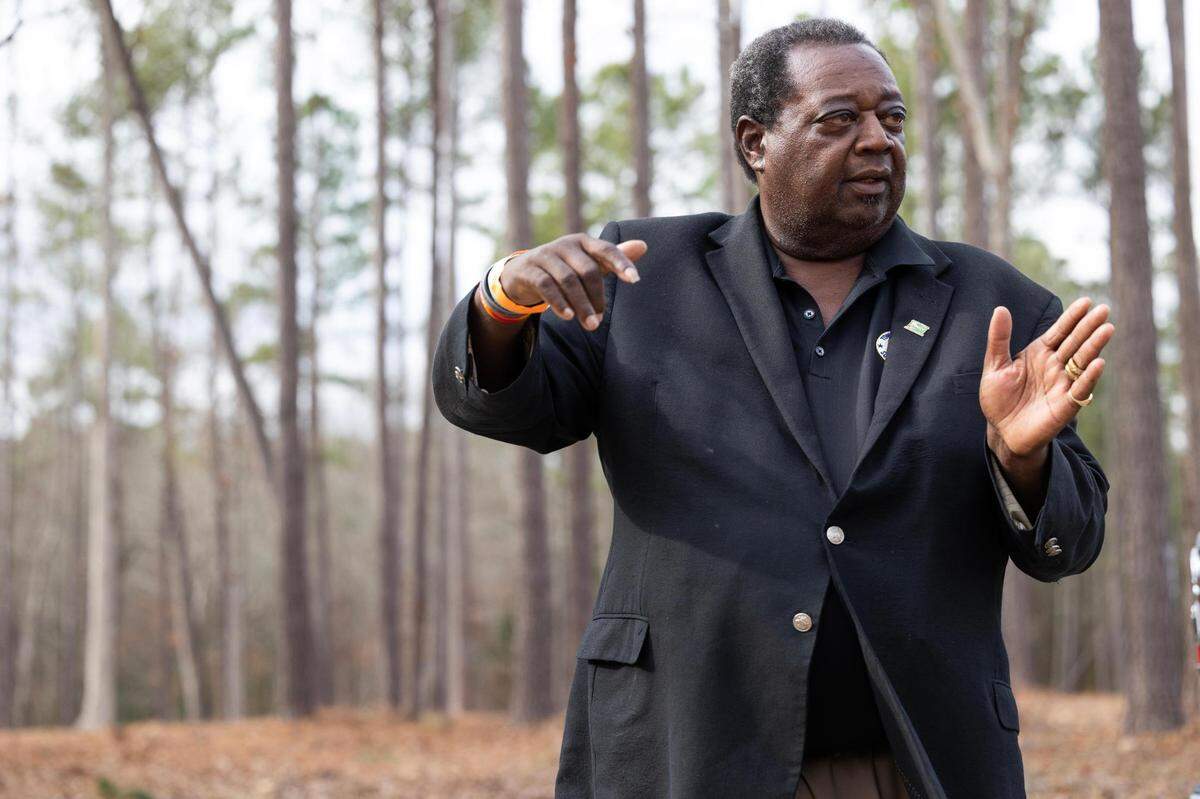
In the early days of Irmo, the town grew around a water stop for a railroad. It grew along the rails, and no true Main Street ever formed. Longtime residents remember a semblance of a Main Street on St. Andrews Road, but even that has dwindled.
“It had like a small whistle-stop kind of downtown area. … There was a general store, there was a post office. There was all that little stuff right here,” said Michelle Wadell, owner of Copious Fibers, a yarn shop on St. Andrews Road. She grew up in Irmo, and her mother has lived in the town nearly all her life.
“As it grew and started to develop, and I think this happens in a lot of small towns, they mow over what was originally part of the downtown,” Waddell said.
The project to solidify a downtown near Irmo Community Park had early support from the Chamber of Commerce. Two days before he sat in a crowded church hearing residents decry the project, councilman Danielson did a podcast interview celebrating the project with Chamber of Commerce president Kerry Powers.
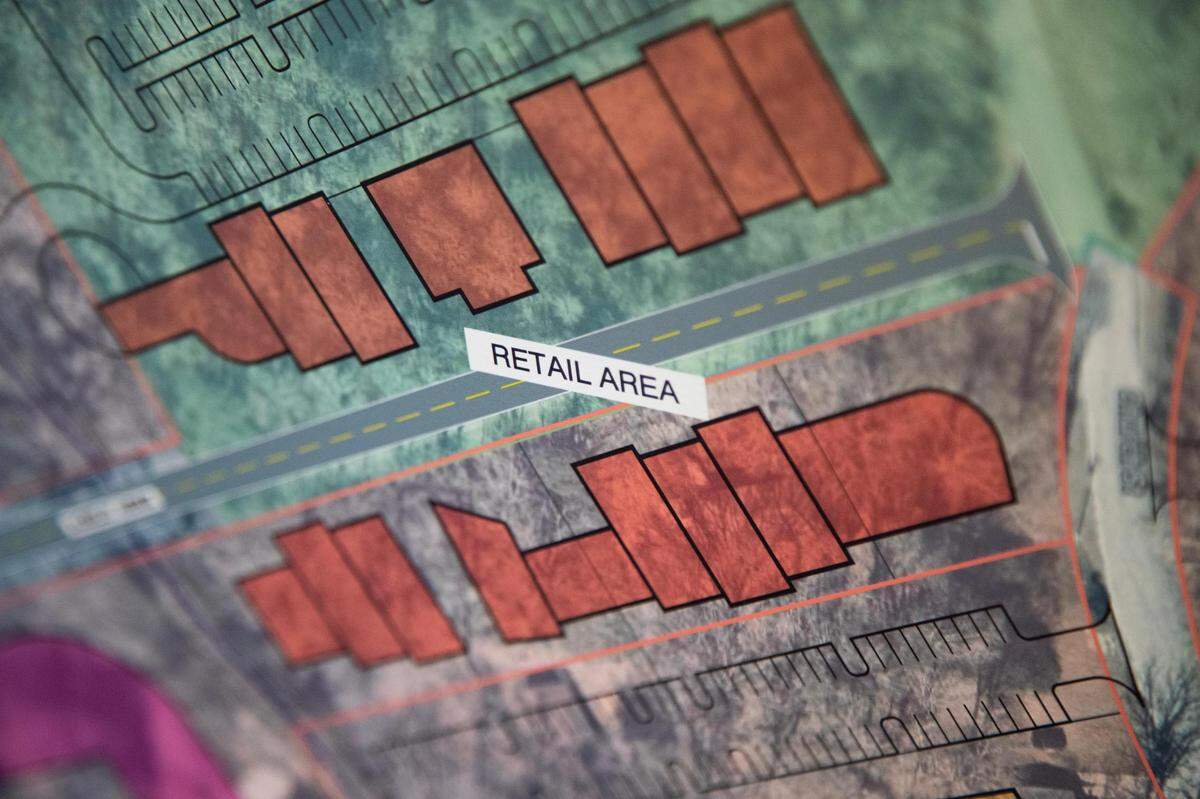
“The goal is economic development,” Danielson told the Cola Guys Real Estate Podcast, estimating the creation of 300-400 jobs and a local economic impact of $30 million from the development.
On the podcast, Danielson shared that he had already had conversations with a brewery brewmaster in the Upstate about opening a location on the Moseley Avenue site.
“Imagine a 6500-square-foot brewery with outdoor activities blending into the park,” Danielson said on the podcast. “The interest is there.”
During Tuesday’s town meeting, one resident stood to say he wanted the town to continue thinking about how to make the idea a reality.
“The truth is, growth is happening,” said local pastor Jim Reese of Decided Church. “The location is bad; the idea is good.”
When he sat, the property owners opposed to selling their land applauded.
Honoring history
Even before Irmo was incorporated in 1890, it was a place where Black residents thrived in an era where discrimination still loomed large.
In Irmo, Black residents bought property and found success after the Civil War Reconstruction era. It was home to the Harbison Agriculture College, a historic Black college that closed in 1958, and many successful Black farmers.
St. Paul AME Church in Irmo was originally called Oak Grove African Methodist Episcopal Church, and it was one of the first Black churches established in South Carolina after the Civil War.
Most of the property owners whose land would be impacted by the new town center are Black. Several told the council the property had been in their family for decades or more.
“Every time we Black folks get some property and we want to build wealth, it’s snatched away,” one resident told the town council in early January.
Those roots are part of why residents were so outraged at the suggestion the town might employ eminent domain — a legal process where a government can forcibly buy private property — to accomplish its development goals.
“I think we overlooked the ancestral aspect,” Danielson told The State. “That may not have a price.”
Danielson, in an interview Wednesday morning, was emphatic that no development would move forward at the Moseley Avenue site after residents were adamant they wouldn’t sell.
It’s unclear where the town goes from here.
In 2016, the Irmo council identified several parcels around Town Hall, near the town park, that could be developed into a new town center. Most of those parcels remain undeveloped, leaving room for some of what was envisioned in 2016 to still become a reality.
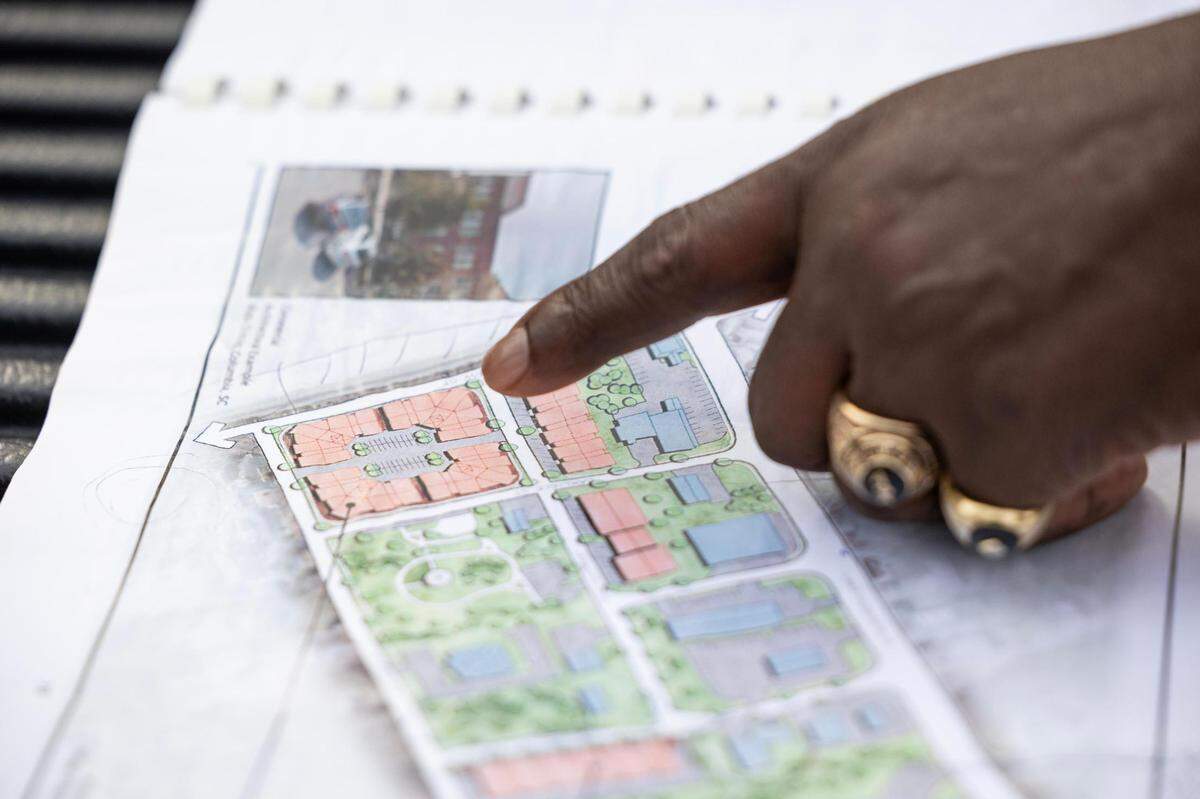
Walker said if the town wanted to, it could develop the Moseley Avenue parcels it already owns, but investing the estimated $3 million to $4 million needed to get water and sewer connections to the land likely wouldn’t be worth it for only a few businesses.
Right now, the city-owned Moseley Avenue land is used as overflow parking for the annual Okra Strut festival.
“We’re going to take a beat,” said Councilman Erik Sickinger Wednesday.
He agreed the Moseley Avenue site was dead, saying the landowners have made it clear they don’t want to sell.
“Unfortunately, we never even had the opportunity to offer,” he said.
During Tuesday’s meeting, Mayor Walker proposed a resolution to suspend land acquisition activities on Moseley Avenue. The resolution was never voted on because no other council member would second the motion.
Both Sickinger and Danielson told The State they are certain the town is no longer moving forward with the Moseley Avenue project, but council members disagreed with voting for a “no-action” resolution.
Still, some residents remain skeptical.
“I don’t believe anything the city says,” said Izell Hall, a landowner on Church Street who has owned his property for more than 50 years. “The city is after what they want. They’ll tell you one thing today and another thing tomorrow.”
Setting Irmo’s future
The town cat ‘Mo is hiding in the bushes outside Irmo Town Park. Somewhere, his sister Irma wanders.
Mayor Walker said he has some of their kittens at his house. He’s been on the Irmo council for 18 years. With a laugh, he calls himself a simple country mayor. He’s made Irmo his life.
But Irmo is not a simple country town. It’s nearing 12,000 people and sits wedged between metropolitan areas in Richland and Lexington counties. What happens around Irmo will certainly affect the town.
Walker doesn’t want to leave the town with debt. The Moseley Avenue project would have cost the town at least $3 million. If an alternate proposal is made, Walker wants to see a private developer lead the way.
He supports the downtown core idea, but he has other things he wants the city to focus on — they’re planning to build a new town hall, and he wants to have money for concerts. Still, by the mayor’s count, the town has $6 million in reserves and several million more in federal pandemic aid dollars.
There’s some uncertainty that the downtown project would even have the desired impact.
As the owner of a yarn shop, Waddell said the idea of a new downtown sounded great. Her own shop would probably do well on a bustling Main Street. But she worried that even if the town was successful in developing the new corridor, it might not centralize people.
“I’m afraid that that ship has sailed,” she said. “It does feel like things are kind of sprawled, and I don’t know that you can put the feathers back in the pillow.”
If some form of the project does move forward at a different site, Walker said he wants the town to take the backseat and let a private developer lead.
“We’re trying to set Irmo up for the future,” Walker said.
This story was originally published January 19, 2023 at 5:30 AM.