Scout Motors to protect 5K acres near Congaree National Park to offset wetlands damage

Scout Motors and Richland County are proposing to protect some 5,000 acres near Congaree National Park in exchange for destroying more than 100 acres of wetlands and ponds, and miles of streams for a new electric vehicle plant in Blythewood.
To construct its $2 billion manufacturing plant, Scout will damage or otherwise impact nearly 74 acres of wetlands, 38 acres of ponds and 38,000 linear feet of creeks, according to details published by the Army Corps of Engineers Thursday.
The wetlands and stream damage accounts for the construction of the plant and a new interstate interchange, as well as the addition of rail access to the site.
The proposal to protect thousands of acres near Congaree National Park to offset environmental impacts at the Scout site is one of the largest wetlands compensation plans of its kind in recent history, according to the Open Space Institute, which is helping to put the plan together.
The Army Corps issued a public notice on the project’s wetlands impacts Thursday, as required by federal law. Conservationists and other interested parties now have 30 days to submit comments about the plan.
“Obviously, there were going to be pretty significant impacts associated with this project, and that’s not a surprise,” said Congaree Riverkeeper Bill Stangler, whose organization monitors and advocates for the health of Midlands waterways.
A key question now is whether conservation groups will oppose plans to destroy wetlands for the Scout electric vehicle plant.
Conservationists generally favor the transition to electric vehicles away from polluting gasoline-fired cars. But environmentalists also often challenge large wetlands-destruction plans because swamps and bogs control flooding and provide habitat for wildlife.
In recent years, however, several large projects that impacted large wetland acreages, including a gold mine in Lancaster County, were not opposed by most major conservation groups after plans were offered to protect substantial amounts of environmentally significant land elsewhere.
A large impact to wetlands, like Scout would have, requires a large mitigation plan, or a plan to offset the damage to federally protected wetlands, Stangler said, adding that the Corps notice gives just a glimpse into the specifics of the proposal.
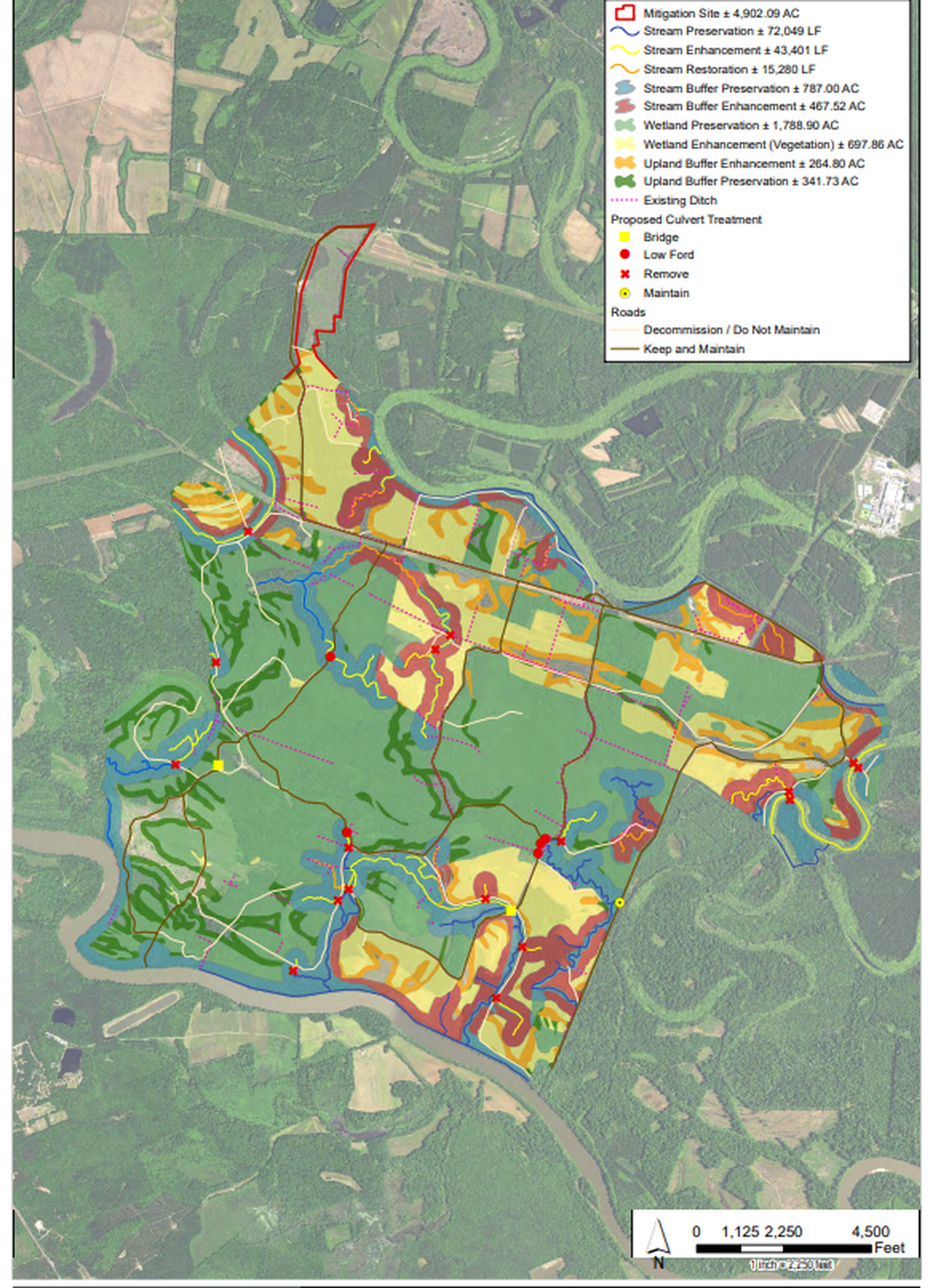
To make up for the damage to natural resources at the auto plant site, the company has promised to protect, restore and make public 4,902 acres bordering the Congaree River and within the Congaree/Wateree/Upper Santee rivers basin, which also contains Congaree National Park.
The protected site is in an area that includes the Millaree Hunt Club between Bluff Road and the Congaree River, just upstream from Congaree National Park.
Within that nearly 5,000-acre site, Scout promises to restore and preserve 130,730 linear feet of streams and 2,487 acres of wetlands.
The Scout manufacturing site overlaps the Sandhills and Piedmont regions. The first portion of the mitigation covers the Sandhills area. To offset damage in the Piedmont region, Scout will protect 154 acres on Shelton Island on the Broad River.
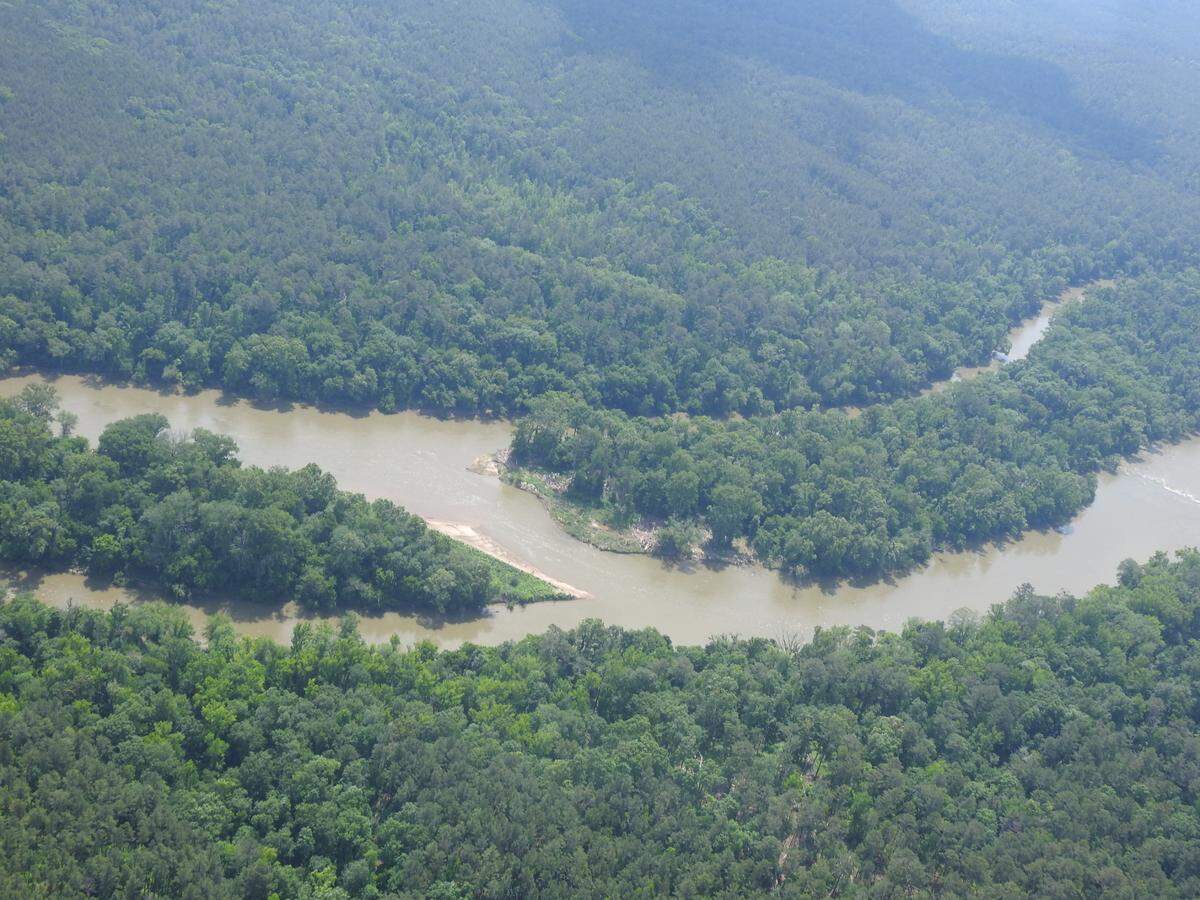
The company’s plans for both mitigation sites are to restore the areas and transfer ownership to a public agency to manage the lands. The restoration may take years and will include protecting endangered species. The red-cockaded woodpecker is among the endangered species in the project area, along with endangered plants including Canby’s dropwort, rough-leaved loosestrife and smooth coneflower, according to the Army Corps of Engineers documents.
According to plans, the property near Congaree National Park would first be purchased by the Open Space Institute. The land conservation organization would own the property until it could be transferred to the state at some point in the future, an Open Space Institute official said. A handful of tracts not in the deal lie between the property the institute will acquire and Congaree National Park.
“OSI is excited to continue to partner with the SC Department of Commerce to protect the most important places in South Carolina with mitigation funds,’’ the organization said. “South Carolina is acting boldly to protect open space to accompany new economic development projects and this plan will have perpetual beneficial impact to the Congaree and Broad Rivers.”
Why protect wetlands?
“Avoid, minimize, mitigate,” is a bit of a slogan for conservationists, Stangler said. The preference is that wetlands impacts are avoided altogether. If that can’t be done, then the preference is to minimize the impact as much as possible.
It’s not just a preference of conservationists — it’s the law. The federal government has a “no net loss” policy when it comes to wetlands. That means if a project damages existing wetlands, the company responsible is on the hook to pay for the protection of wetlands elsewhere.
The preference is that the protected land be as close to the damaged area as possible, Stangler said.
Stangler said he also worries about the later impacts of the Scout plant that can’t be recorded yet.
“One of the things I’m kind of concerned about is sprawl,” Stangler said. The development will likely attract supplemental manufacturing and additional businesses and residences. “Losing productive lands and rural lands is a concern a lot of our partners have as well.”
Chris DeScherer, director of the Southern Environmental Law Center, said they will be looking at how closely Scout tried to minimize and avoid environmental impacts.
“The reason we want to avoid wetlands and that the Clean Water Act exists is because wetlands provide so many public benefits,” DeScherer said.
Wetlands store flood waters, trap pollutants before they reach creeks and streams, and create a vital habitat for wildlife, he said.
The Scout project has a lot of political support, but it will still be important for the public to “review and scrutinize” the plans, DeScherer said. The more communication and accountability from the company, the better the project will be, DeScherer added.
Chad Johnston, a lawyer for Richland County and the South Carolina Department of Commerce, which jointly applied for the Army Corps permit, said both entities will continue to engage with the public and feel the mitigation package was developed in consultation with a variety of environmental and state partners.
“(They) are confident the mitigation package that they have put together ... strikes the appropriate balance between economic development and restoration and protection of natural resources,” Johnson said via email.
He continued, “The applicants have worked to avoid and minimize impacts on the project site, while the proposed mitigation package is expected to substantially exceed the regulatory requirements for the impacts to both wetlands and streams within the same watershed and service territories of the impacts.”
South Carolina officials announced the Scout manufacturing project in March, saying the plant could produce more than 200,000 vehicles each year. The Scout Motors plant could create some 4,000 full-time jobs in the county.
Scout plans to break ground on the plant by the middle of this year. The company hopes to begin making the new vehicles by the end of 2026.
This story was originally published June 1, 2023 at 12:10 PM.