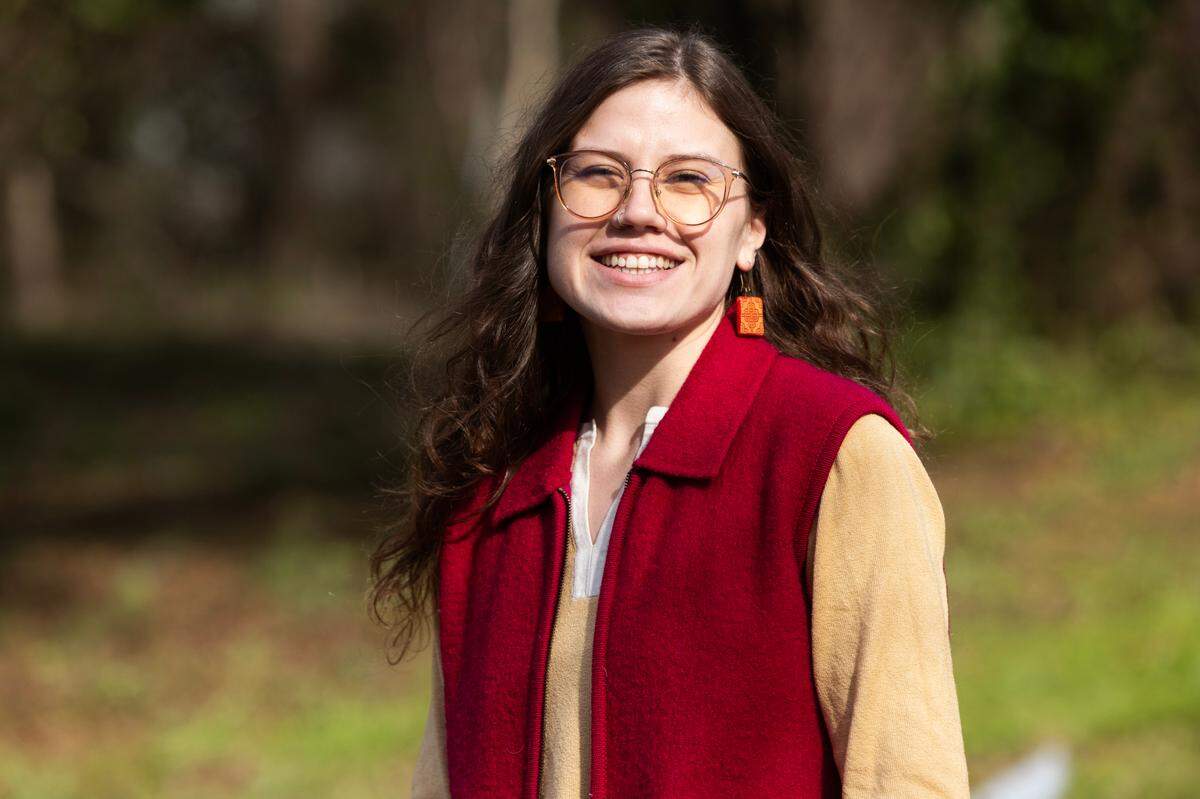
Homelessness is weighing on Columbia. As election nears, what would council candidates do?
From feeding people in public to a lack of affordable housing, issues surrounding homelessness are weighing heavy on Columbia, drawing no small amount of tension and controversy as the city grapples with solutions. Now, an election looms, and candidates are speaking up.
All three candidates running for the at-large Columbia City Council seat up for election in November have personal anecdotes that convey to them the state of homelessness in Columbia.
Tyler Bailey, a local attorney, recently purchased an office building at the corner of Richland and Bull streets, and throughout its renovation, people used the front steps as a place to sleep.
Christa Williams, a business owner and former corrections officer, has had people homeless and in crisis come into her store, Uncle Willie’s Grocery, in need of bandages or water. One woman came in with a black eye. Another man came in with scratches all over his legs.
Jesse Bullard recently purchased about 2 acres near Southern Way Catering, of which he is vice president. Soon after closing on the property, a neighbor called to inform him there was a homeless encampment on the site.
The candidates agree homelessness is a growing concern for Columbia. City Council has spent the last two years focused on the topic and has promised to pay even closer attention as the city works on a number of ideas geared toward homeless residents. The candidate elected to an at-large seat on council will have an equal voice on how the city moves ahead.
Homelessness
“Short-term thinking gets you short-term results,” said Bailey, who had the most reservations about the city’s recent actions around homelessness.
The ACLU of South Carolina in September wrote a letter to Columbia City Council calling three recently-passed ordinances “inhumane” and “illegal” and accused the city of criminalizing homelessness. The letter was signed by the ACLU leadership along with half a dozen other housing advocacy groups.
The first ordinance made a slight change to urban camping laws, the second makes it illegal to possess a stolen shopping cart and the third makes it illegal to possess drug paraphernalia.
“I haven’t gotten to the weeds of the legal merits of it, but I think they are hitting the nail on the head with that. …We need to find a sustainable solution,” Bailey said, adding that it doesn’t make sense to create legal hurdles and fines for people who don’t even have housing resources.
Bailey, Williams and Bullard all said they support the city’s Rapid Shelter Columbia, which provides temporary shelters for chronically homeless residents. But they each said the shelters are only a partial solution.
Bullard said every person he has interacted with while campaigning has raised homelessness as an issue.
Bullard agrees with the city’s recent proposals to create more structure to how homeless residents get services. Columbia leaders recently partnered with Christ Central Ministries on Main Street to provide a free kitchen space for groups that want to feed homeless residents.
City leaders have said they want groups to stop feeding homeless residents in other public places. Critics have argued that limits who can benefit from the meal programs.
“I do think that creating more structure to how we care for the homeless population in Columbia is important,” Bullard said.
He added that when the city talks about homelessness, it is often in relation to chronically homeless residents, but high housing costs affect a much broader range of people.
“I think the rapid shelter that was created was a great idea, but that only puts a dent in it. We need to have more opportunities for that, and we need to be moving people toward housing stability,” Bullard said.
The Columbia area reported locating 226 unsheltered people experiencing homelessness last January during an annual point-in-time count required by the U.S. Department of Housing and Urban Development. The total number of people without housing is much higher, estimated at 987, when people staying in motels and couch-surfing with friends are included, according to federal data. Experts working with homeless populations say the numbers are often much higher than what is revealed by the annual counts.
Williams said she would like to see a structured living facility for chronically homeless residents, similar to the campus Mayor Daniel Rickenmann has proposed.
She disagrees with any approach that suggests some people just can’t be helped.
“I don’t want to lay my head on my pillow at night knowing that I’m contributing to someone staying out on the street because I had this thought process that we can’t make anybody go inside,” she said.
Williams said the city should also be engaging some residents with public works and code enforcement. “We need to engage people in the community instead of just looking at them as a blight to society,” she said.
Affordable housing
One thread that connects much of Williams’ platform is her desire to see the city handle vacant lots and abandoned houses across the city.
She also sees those abandoned houses as an opportunity to boost Columbia’s much-needed affordable housing supply.
“The city needs to work with property owners to ensure that we’re getting the maximum uses out of these properties,” Williams said.
Williams said she supports tax credits to boost the supply of affordable housing, but she believes that only works if the city can protect and restore its existing housing supply.
Bailey said he would like to see more first-time home-buyer programs that help families bring historic but crumbling homes up to code.
“We should bring back those programs to allow people who are going to be here, who want to contribute to the tax base, who are going to send their kids to school here, who are going to become members of the neighborhood associations … we should allow them an opportunity to play a role in Columbia,” Bailey said.
All three said the city needs more workforce housing.
“The city can’t afford to build the amount of housing that’s needed and then also upkeep it and do it on its own. Private developers have got to be involved in that process,” Bullard said.
Bullard added that he believes the city may be able to enact some programs to help residents with the rising cost of living overall.
About the candidates
Tyler Bailey is an attorney in Columbia practicing at his own firm and specializing in civil rights and personal injury law, among other areas. Bailey said he is running because he is from Columbia and has seen some communities be left out of the city’s growth.
Bailey ran for City Council at-large in 2021 but lost in a run-off election against Aditi Bussells.
City Council doesn’t necessarily face the same gridlock as Congress or even the State House, Bailey said, so there’s room to really get things done and impact communities.
“I’m a product of the community, and I could bring people together to see how we need to address it,” Bailey said, adding that he thinks council needs “an advocate for people, for communities, who is not beholden to anybody or pursuing a narrow interest.”
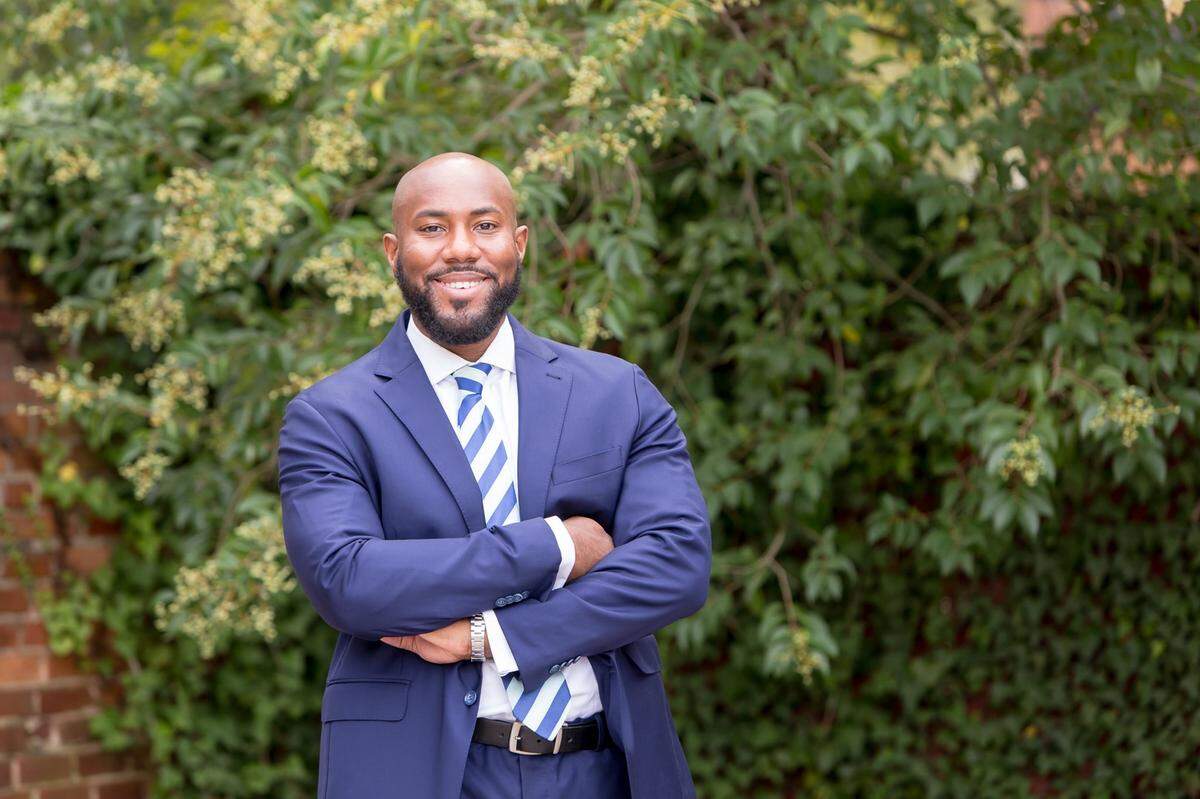
Jesse Bullard has lived in Columbia for 20 years. He said he decided to run for City Council because he felt like the city was complacent.
“I didn’t feel like the city was progressing at the same rate that some of our neighboring major market areas in the state were progressing,” Bullard said.
A longtime entrepreneur, he started with Southern Way Catering after graduating from USC and has grown that business from roughly a dozen full-time employees when he started to now more than 300.
“I’ve spent my whole career in the service business, hospitality, and taking care of others is really all I know,” Bullard said. “I think that an effective city government is run like a service business with the taxpayers being our customers.”
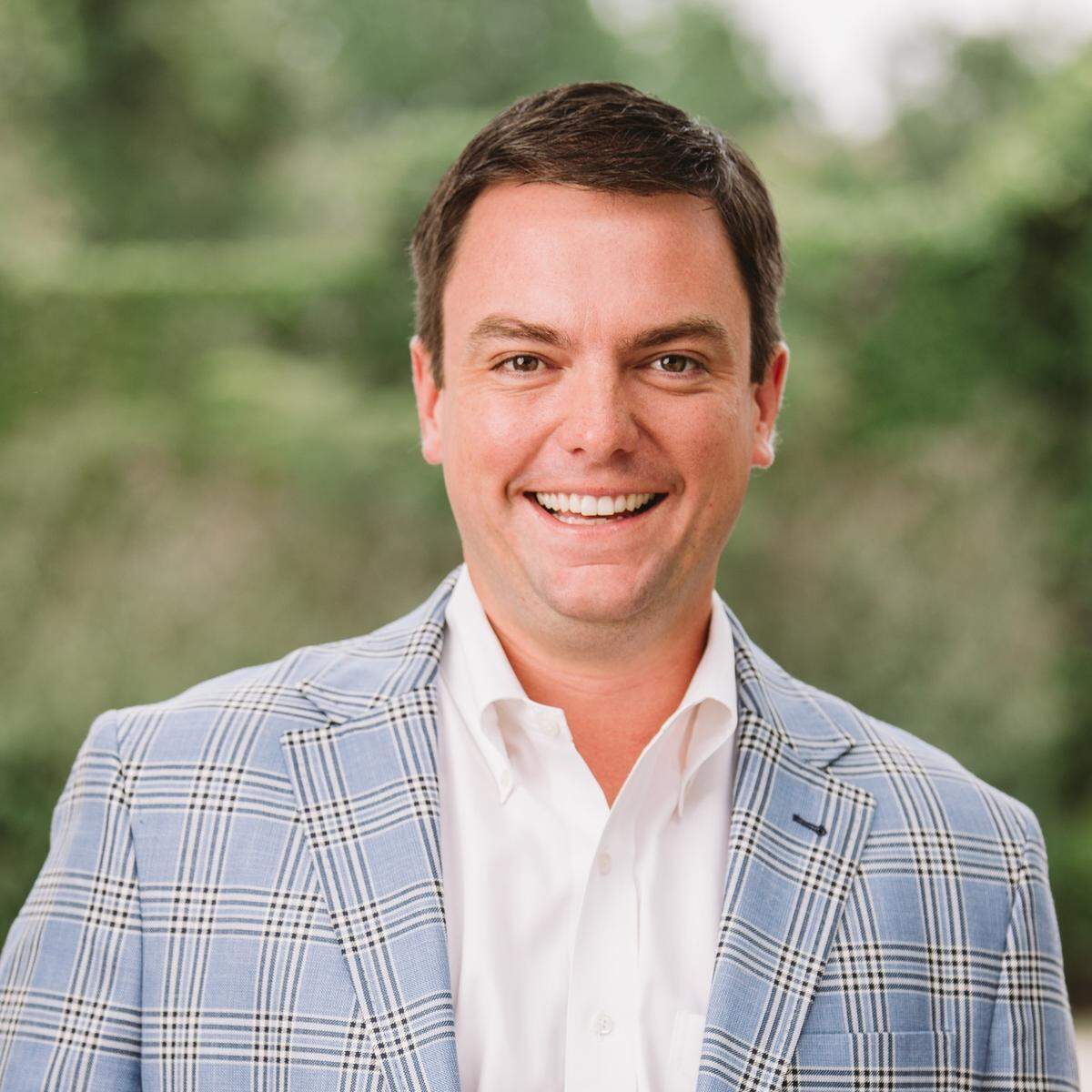
Christa Williams owns Uncle Willie’s Grocery Store on North Main Street and previously worked with the S.C. Department of Corrections and is a current member of the Army National Guard.
She ran for City Council District 1 in 2021 but lost that race to Tina Herbert. She opened her grocery store in an area without any after that election because she said so many people told her that was what was needed in the community.
Williams said she’s running because she is sick of seeing politicians promising the world to get elected and then not delivering.
“People want someone that is going to be honest about getting results in their community,” she said. “I want to be that personal council member, regardless of whether everybody else is agreeing on something. If the community is saying that we want a particular thing, that’s the direction that I want to go in.”
Elections for Columbia City Council will be Tuesday, Nov. 7. In addition to the at-large seat, elected by a citywide vote, there are two district seats on the ballot: Incumbent Councilman Ed McDowell is running unopposed in District 2, and incumbent Councilman Will Brennan faces former council member Moe Baddourah in District 3.
This story was originally published October 17, 2023 at 9:44 AM.
CORRECTION: This story has been updated to correct the number of employees who worked at Southern Way Catering when it opened.