
What should Greenville residents do in the Helene aftermath? Here are some SC expert tips
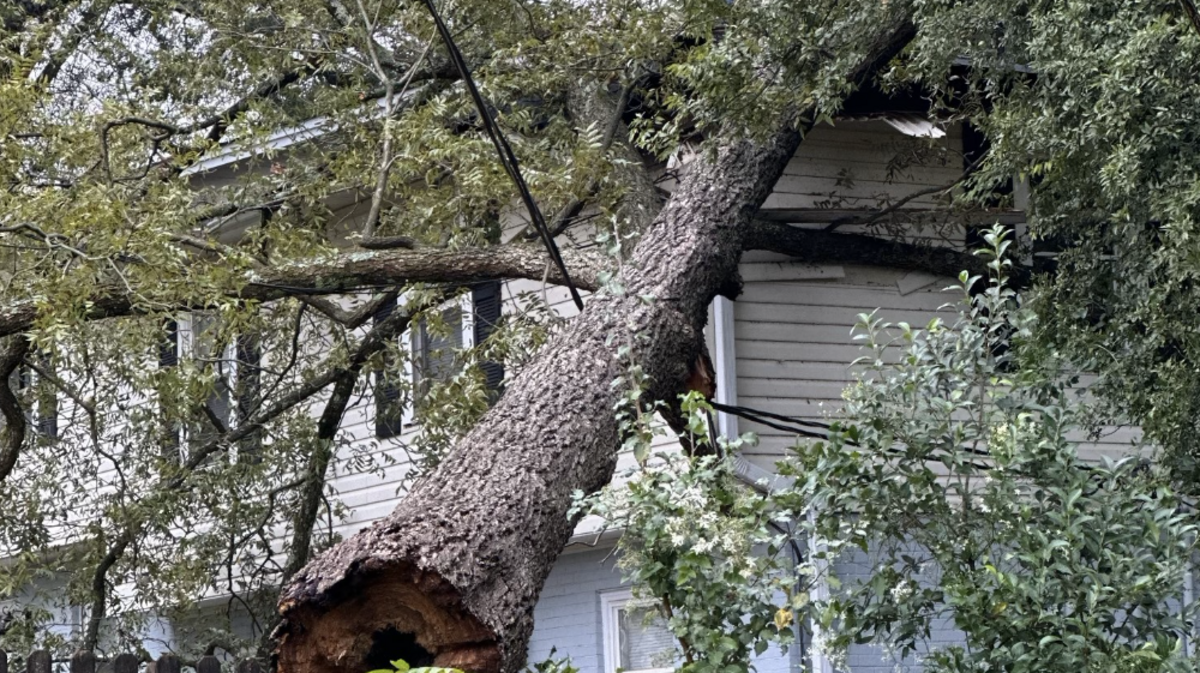
You may be looking around the damage caused by Tropical Storm Helene and asking, “Now what?”
Experts say it takes a long time to recover. Pace yourself.
Here are some suggestions from Clemson University and the Centers for Disease Control to help make it through the aftermath of Helene.
Helene aftermath
- Photograph damages and have a professional inspect your home. Strange noises could mean the house has become unsafe. Don’t go inside in the dark. There’s no telling what’s inside.
- In dim areas, use flashlights, not candles.
- Every time there is a power outage authorities advise not to use generators inside a building, but that also pertains to pressure washers, or other gasoline, propane, natural gas, or charcoal-burning devices.
- And don’t use any of those things outside near an open window, door, or vent. Carbon monoxide is odorless and colorless and can cause sudden illness and death.
- Beware of floodwater. Dangerous bacteria from overflowing sewage and agricultural and industrial waste can be present. Open cuts can become infected.
- Open windows and doors to air out the house and throw away anything that can’t be cleaned quickly like mattresses and carpeting.
- If drywall has been flooded, remove and discard.
- Food is another problem in a power outage.
“The key to determining the safety of foods in the refrigerator and freezer is how cold they are, Clemson said on its website. “Most foodborne illnesses are caused by bacteria that multiply rapidly at temperatures above 40°F.”
How much food there is in a freezer makes a difference. If full, food is safe for two days; a day if half full. By now, it’s bad.Throw it out, but make sure its contained so animals can’t get to it.
You’ve only got four to six hours before food in the refrigerator starts to spoil. You can put food in a cooler with ice or frozen gel packs, if you can find them.
Don’t taste food to see if it’s safe. You don’t have time to be sick.. Clemson has a power out chart on its website to help determine whether food is safe to eat.
If odor develops inside the refrigerator, wash with one tablespoon of baking soda in a quart of tap water or one cup of vinegar in a gallon of tap water. Activated charcoal for a drug or pet store is your next step if that doesn’t work.
- Cooking can be a challenge. Charcoal or gas grills are great but don’t use them inside. See cautions about carbon monoxide above.
- Small electrical appliances powered by a generator, great. Wood is too if you know your chimney is sound.
- Never build a fire in a carport.
- “Sparks can easily get into the ceiling and start a house fire,” Clemson said.
Greenville storm debris
- Greenville County will begin picking up debris on Wednesday. Residents in the unincorporated areas of the county can put downed trees along their roads.
- There is a burn ban in the state to free up firefighters so do not burn the debris.
- The city of Greenville is using its Snow Plan to prioritize tree clearance.
- A debris hauler started work on Sunday, pushing the debris out of the roadways. Debris clearing with begin mid-week but it’s going to take weeks to get it all.