You can pay to bury your home’s electric line. Would it save you from power outages?
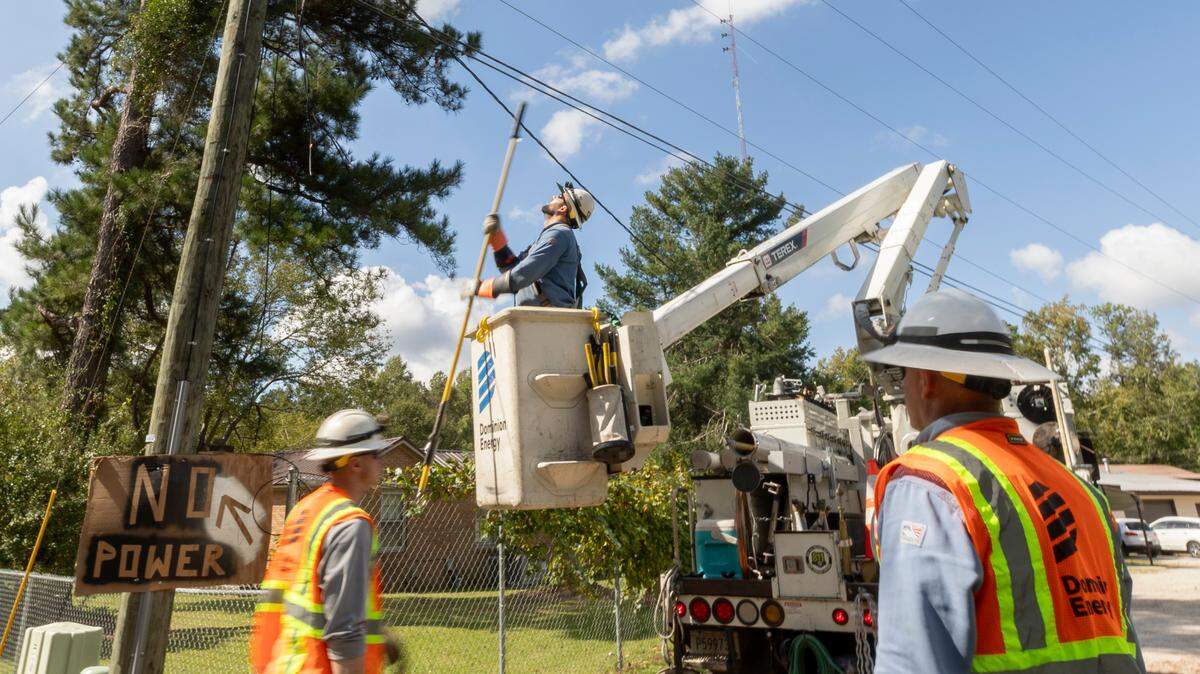
Worried about power outages? Social media users after Hurricane Helene thought they had the solution: Ask your electricity provider to bury your power lines.
So we wondered, can you actually get your home electric lines buried?
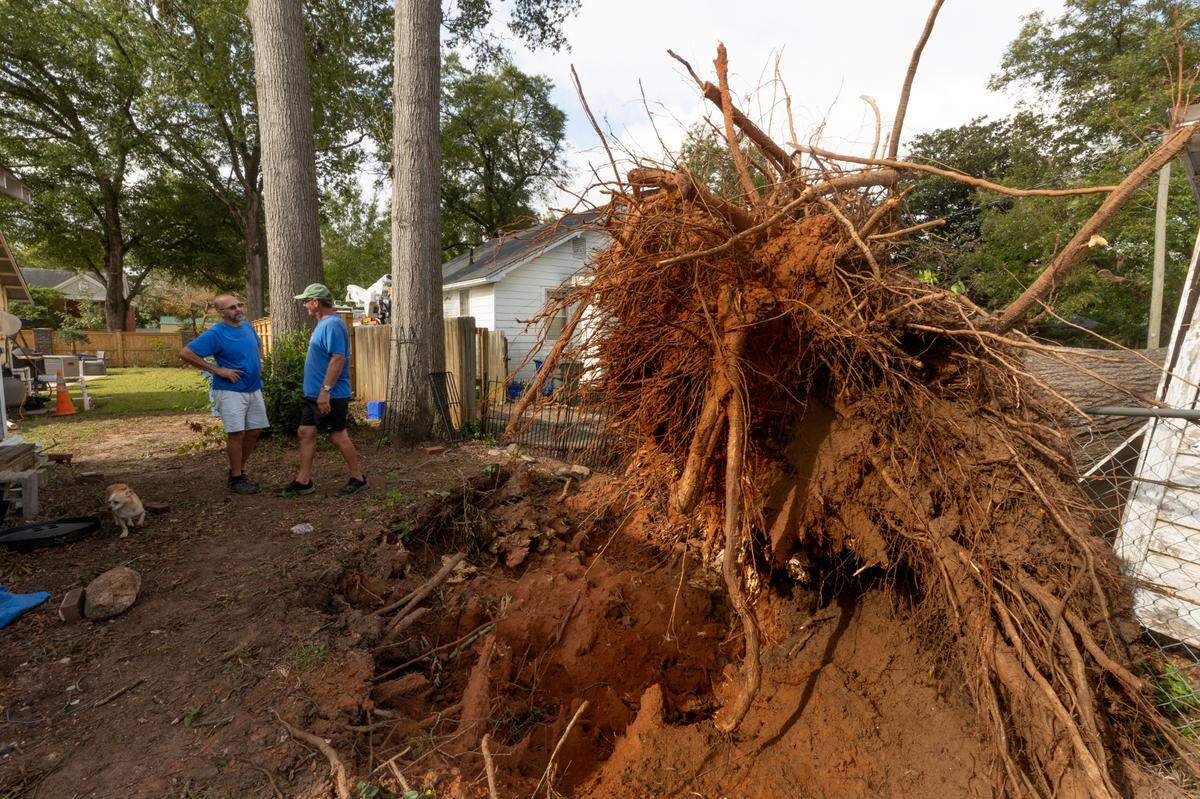
Helene left more than a million people without power across South Carolina when the storm hit the state at the end of September.
As the outages spread, residents took to social media to speculate and suggest solutions and stopgaps for future storms. A common refrain was the suggestion to bury electric lines across the state. Some residents online advised their neighbors to call their power company and ask for their own service lines to be buried at their homes.
Burying power lines is complicated because it’s expensive and not a guarantee against future outages, according to experts.
Can you get the power lines at your house buried?
Yes, you can, usually. Both Dominion and the South Carolina Electric Cooperatives said it’s a request they would consider, but it’s not necessarily a standard service.
“I think they’re willing to do it. It’s just a matter of somebody has to pay for it, and it’s got to be fair and we can’t have members who aren’t benefiting from this service paying to subsidize the members who are,” said Avery Wilkes with the electric cooperatives.
The cooperatives are all independent entities and have their own policies, but Wilkes said it is a service co-ops have provided before, if the resident is able to pay for the work. And that work gets expensive.
How expensive is burying your power lines?
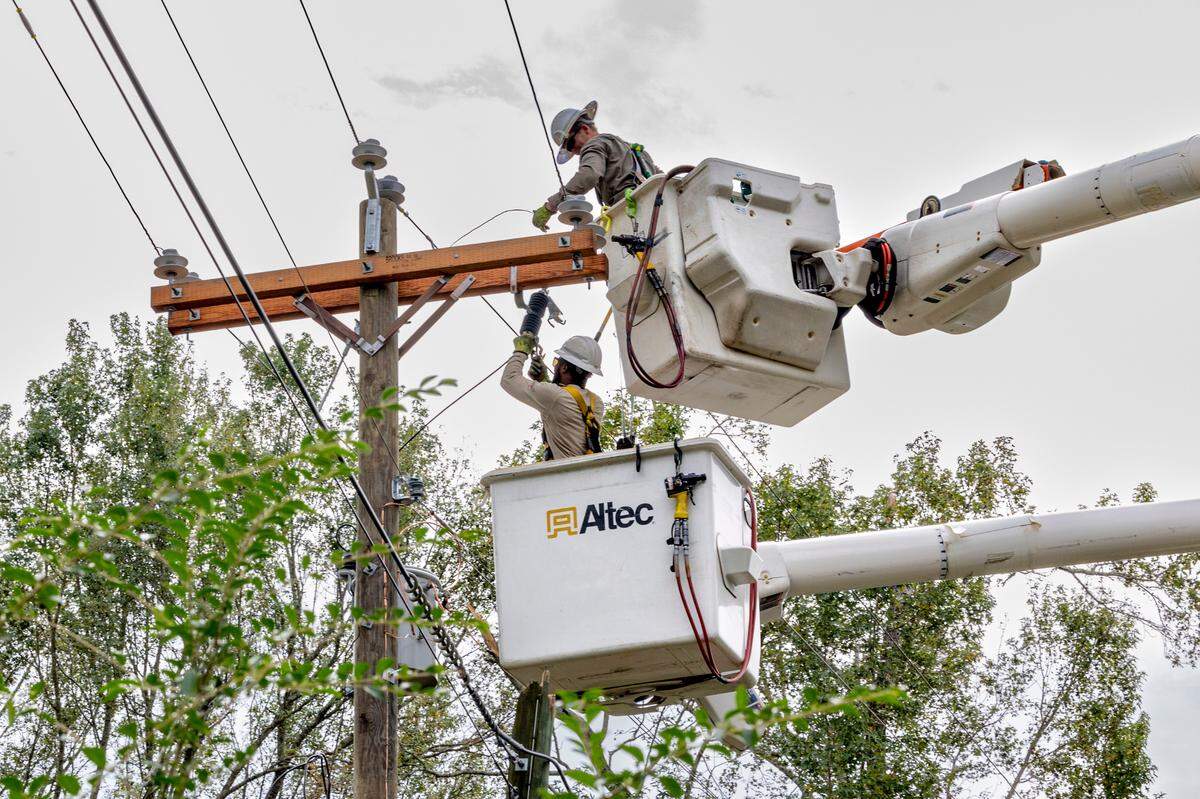
Dominion estimates that the cost to convert the service line in a typical subdivision could cost between $2,000 and $5,000. The cost includes installing underground conduits and wires and removing the overhead line.
The homeowner would also have to pay for any other necessary electrical work needed to make the transition, which can include having to hire an outside electrician, said Matt Long with Dominion Energy.
That additional work can average around $2,000, in addition to what Dominion would charge, Long added.
It can cost between five and 10 times more to bury lines compared to installing them overhead, according to the U.S. Energy Information Administration.
Would burying the lines protect you from outages?
The vast majority of people who do get their home service lines buried aren’t doing it to save themselves from power outages, they’re doing it for aesthetics, Long said.
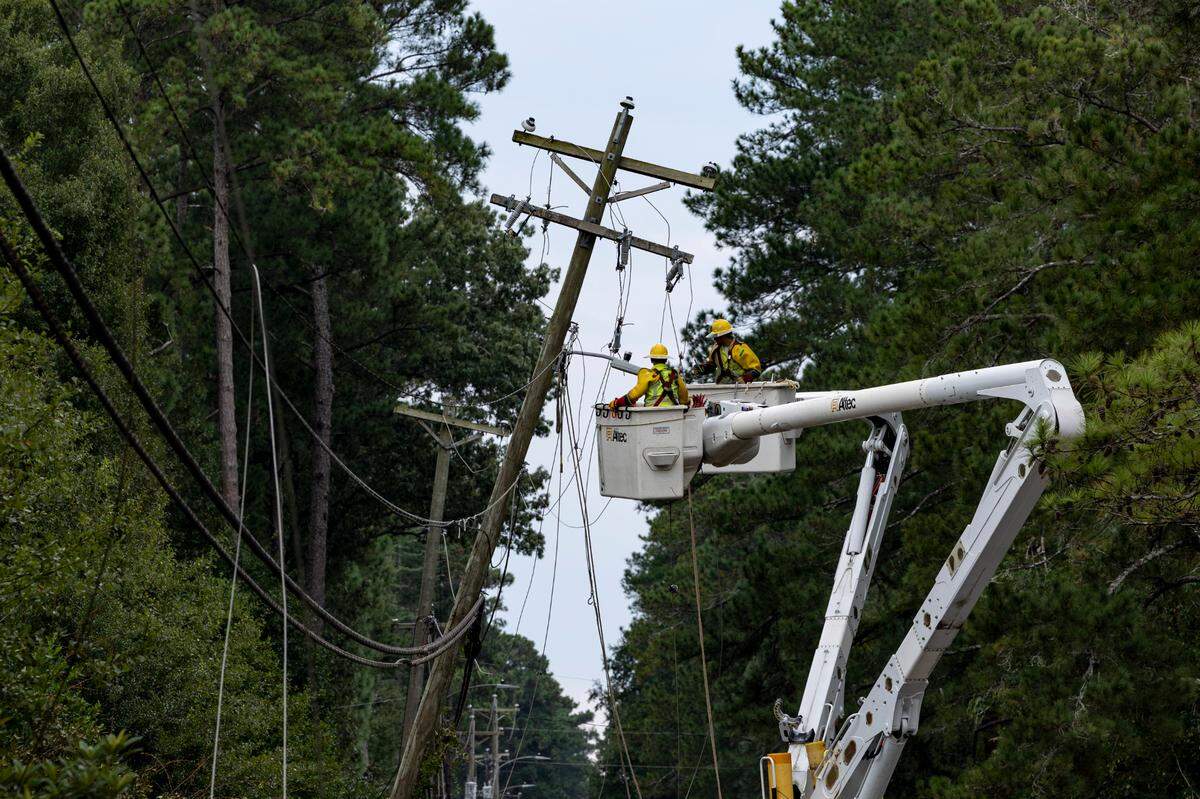
Underground lines aren’t immune from outages – an underground home service line wouldn’t be protected from a tree hitting a transmission line or other electric lines that would stay above ground.
“Dominion Energy encourages customers to consider a number of factors before requesting to bury their electric service line,” Long said, like the cost and the fact that other neighborhood lines would most likely stay above ground.