Ceremony set for Columbia activists whose Supreme Court cases helped pass Civil Rights Act
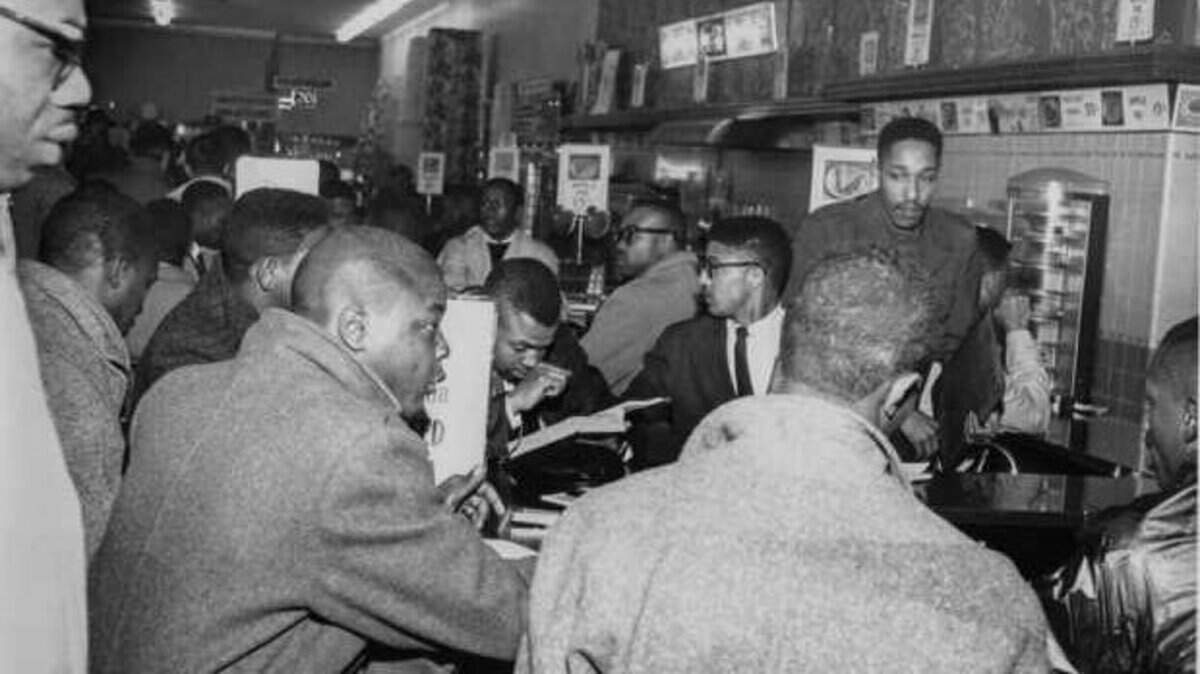
Charles F. Barr and Reverend Simon P. Bouie sitting at lunch counters in Columbia drug stores, one at the Taylor Street Pharmacy and the other at Eckerd’s, might seem like commonplace if outdated occurrences.
But because it was the 1960s and the men were Black, sitting at the white-only lunch counter was a crime, and the men were charged with trespassing.
Sixty years ago, the men challenged their charges, taking their separate cases all the way to the U.S. Supreme Court, and winning.
Now, in commemoration of the 60 years that have passed since those rulings in their favor, Barr and Rev. Bouie, along with five other civil rights activists who will be honored posthumously, will have their criminal records expunged in a ceremony Friday.
Barr and Bouie’s cases were among five to be decided by the U.S. Supreme Court on June 22, 1964 — two days after the Senate passed the historic Civil Rights Act and just weeks before it was signed into law. Their cases are considered to have contributed to the political environment that led to the bill’s passage.
The office of 5th Judicial Circuit Solicitor Byron Gipson will handle the expungements in a court session presided over by state Judge Robert Hood at the Richland County courthouse on Main Street in downtown Columbia. A reception featuring the proclamations and speakers will follow at the Brookland Baptist Church’s Banquet and Reception Center on Sunset Boulevard in West Columbia
The families of the late Reverend David Carter, Johnny Clark, Richard Counts, Milton Greene and Talmadge Neal, who all also participated in ‘sit-in’ protests, will receive proclamations honoring their family members. Columbia Mayor Daniel Rickenmann will present the proclamations.
The event is scheduled for 12 p.m. Friday.
This story was originally published October 21, 2024 at 2:43 PM.