Seven men arrested for ‘sit-ins’ at whites-only diners in 1960 Columbia see records cleared
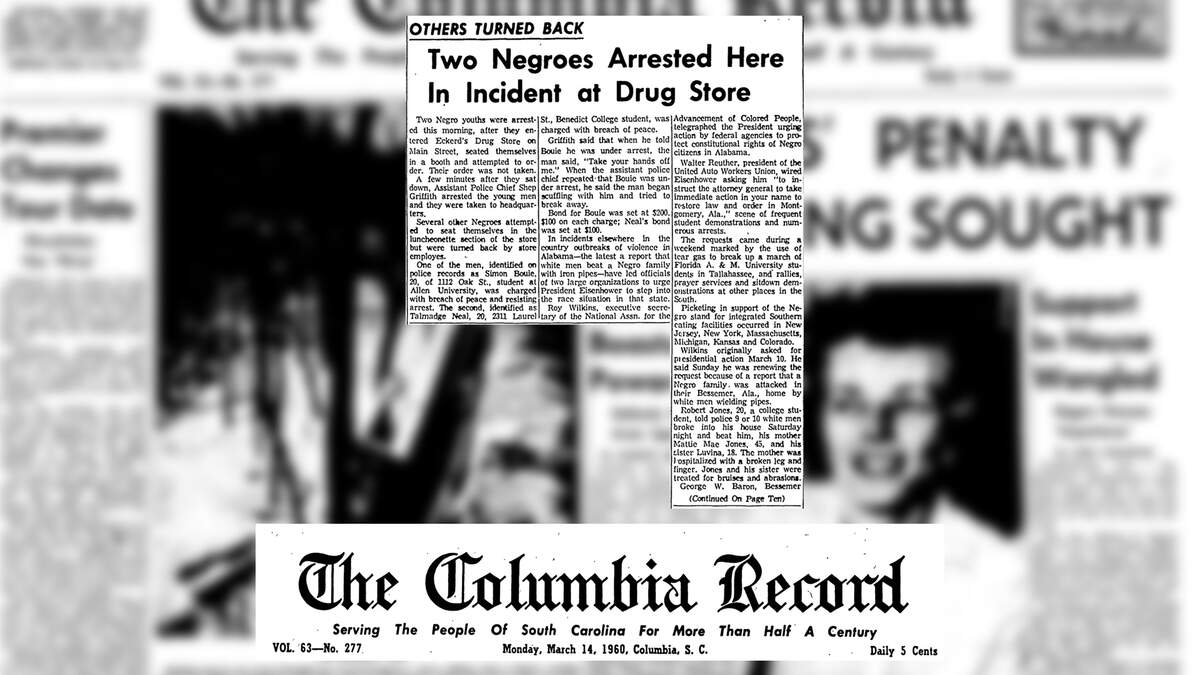
Simon Bouie and Talmadge Neal walked into Eckerd’s Drug Store on Columbia’s Main Street and sat down to order lunch. Not more than 15 minutes later, the students were being arrested and charged with trespassing.
“I wonder how many of us you’re going to arrest tomorrow,” Bouie, a 20-year-old Black student of Allen University, asked while he was being led to a police car.
The answer, it turned out, was five: Charles Barr, David Carter, Johnny Clark, Richard Counts and Milton Greene were arrested the next day at Taylor Street Pharmacy for trying to eat lunch at the whites-only lunch counter while Black.
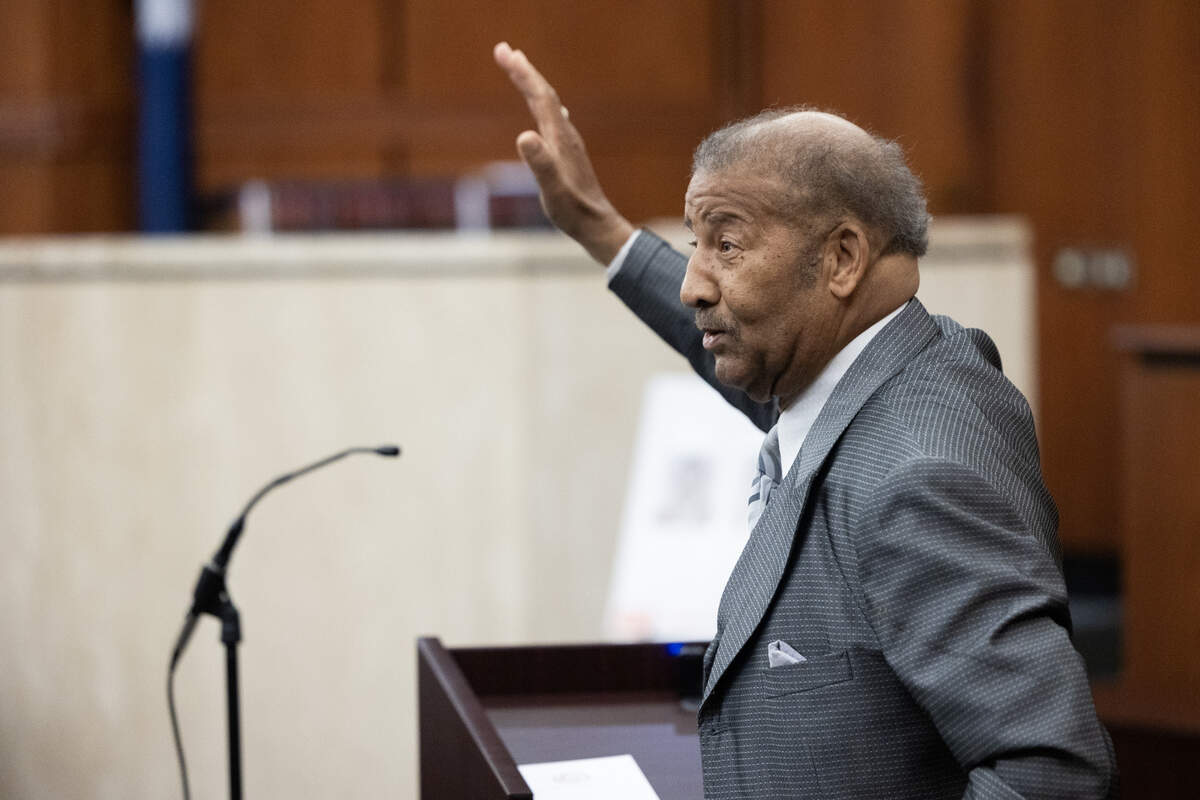
“No one really realized what happened 60 years ago,” Barr said during a ceremony Friday. “How afraid I was of what was going to happen that day that we sat down.”
The students were protesting segregation by sitting down and ordering lunch at businesses that vocally only served white customers, or would only let white customers eat inside. The protests, called “sit-ins,” were held across the nation, as more and more people were demanding equal treatment for Black Americans.
The sit-in cases were taken up by a team of lawyers, including now-famous Civil Rights attorney Matthew J. Perry, for whom Columbia’s Federal courthouse is named. Perry, who himself is a notable Civil Rights leader who has been called South Carolina’s Thurgood Marshall, would take the cases all the way to the U.S. Supreme Court, and win.
The protests and ensuing court cases were a marked turn for Columbia, and helped catalyze even more pro-Civil Rights Act demonstrations in South Carolina’s capital city. But the men who helped lead that charge have lived with their criminal convictions nearly all their lives.
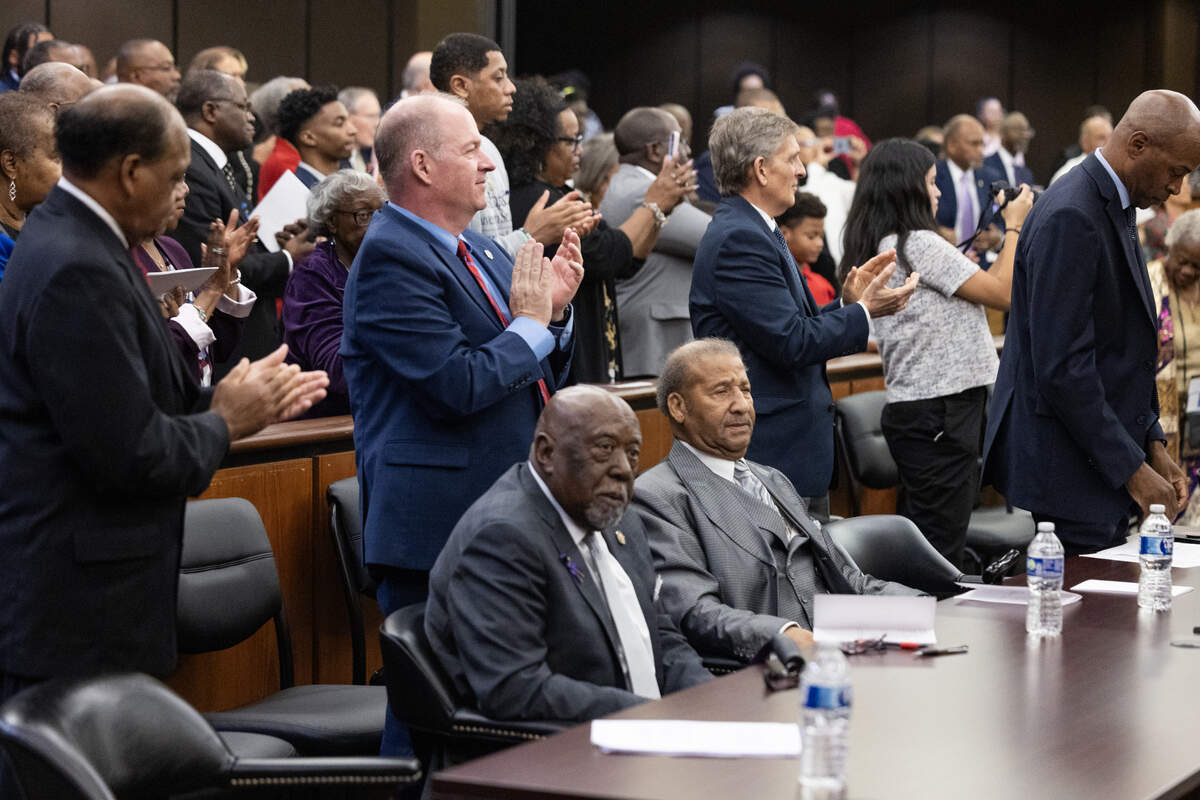
On Friday, after more than 60 years, the state of South Carolina cleared those records of the seven men who were arrested for participating in the sit-in protests over those two days in March 1960. Judge Robert Hood granted the expungements.
“We gather today in this courtroom to mark not just a moment in legal history, but a profound act of justice and remembrance for our community,” said Bobby Donaldson, Director of the Center for Civil Rights History and Research at the University of South Carolina and one of the men responsible for organizing the days’ events.
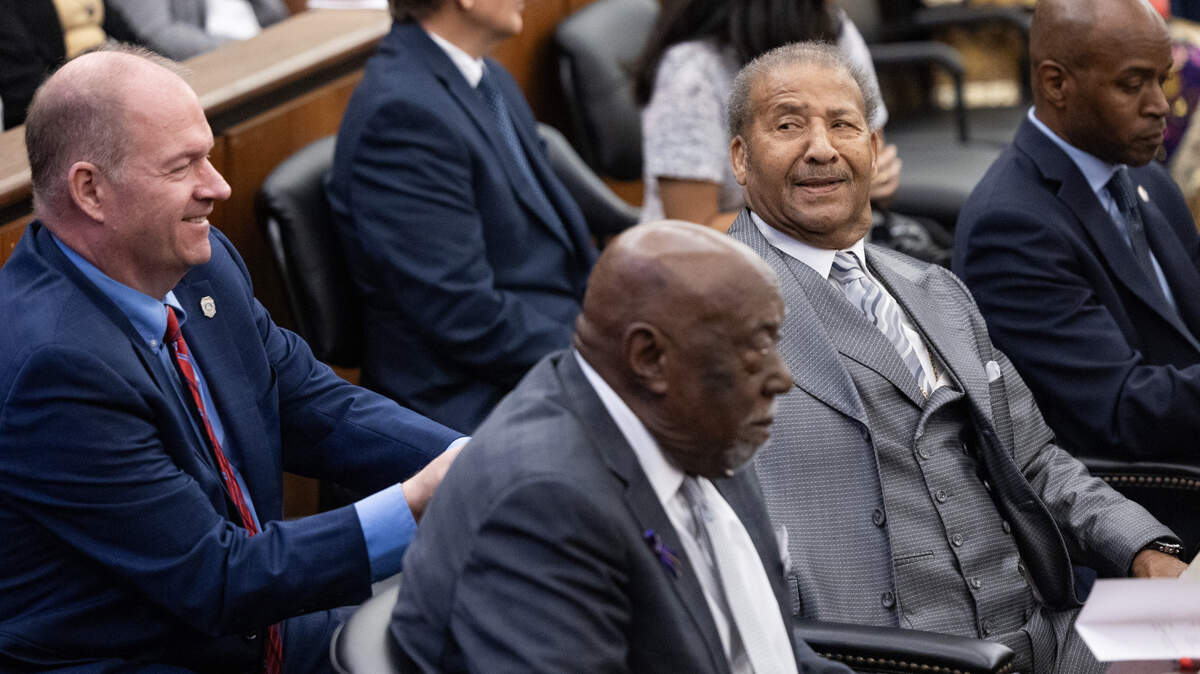
At the ceremony held in a courtroom at the Richland County Courthouse, Bouie and Barr, both now 85 years old, heard a judge clear their names.
Empty chairs and pale roses were laid out in the courtroom in remembrance of the other five men who have since died. At least two dozen descendants and loved ones of the seven men filled the courtroom as well.
Making history
The seven men arrested at sit-ins in mid-March, 1960, had already spent the month peacefully protesting Jim Crow laws that allowed segregation in schools, businesses and other public places; bans on interracial marriages; and a slate of other policies disenfranchising Black Americans.
Civil Rights protests at the time were heating up across the nation, and South Carolina. Students in Rock Hill had also been protesting that year, and in 1961, nine of them were arrested during a sit-in. As students of the all-Black Friendship College, they became known as the “Friendship 9” and also had their convictions overturned in recent years.
On March 2 and 3 1960, Bouie and Neal, as presidents of the Student Movement Associations for Columbia’s all-Black institutions Allen University and Benedict College, had organized a massive sit-in with more than 200 students at businesses in downtown Columbia.
The demonstrations were not well-met by many of Columbia’s white business owners, who attempted to barricade their stores, or even remove their seating, ahead of the students’ arrival.
On March 4, Bouie and Neal announced they would suspend the sit-in campaign because they had succeeded in showing that Black residents were not supportive of Jim Crow, despite propaganda to the contrary.
But on March 10, South Carolina Gov. Ernest Hollings went on TV to chastise the students and to declare that any more protests would end in arrests.
Four days later, Bouie and Neal, along with a group of other students, headed to Eckerd’s. The next day, Barr and his contemporaries went to Taylor Street Pharmacy.
“We had a desire to fight for what was right and no one could turn us around,” the now Rev. Bouie said during the ceremony Friday.
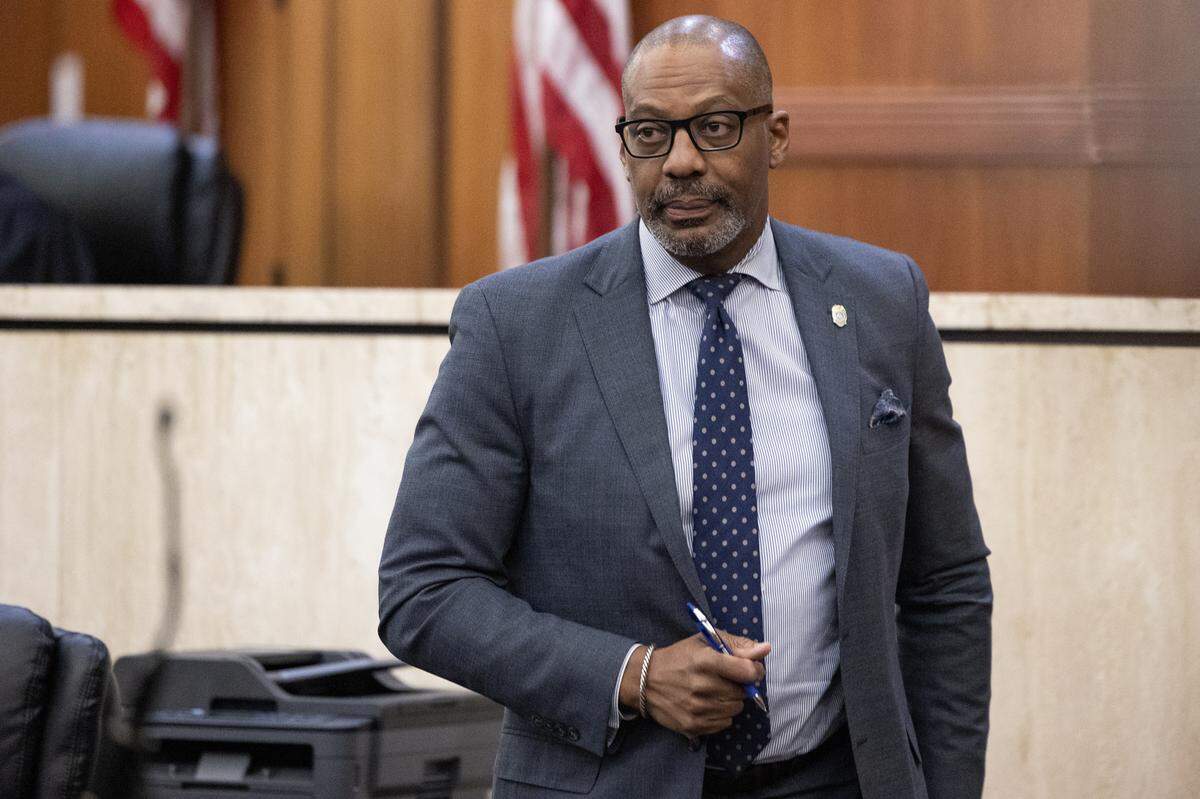
The impact these men had on Columbia could be felt immediately.
State Sen. Darrell Jackson, D-Richland, was overjoyed at the expungement ceremony and said he planned to introduce a resolution in the Senate in January commemorating the event.
“I know the young men who sat at that lunch counter could never imagine a day when a Black solicitor could expunge the sit-in arrest records and a Black state senator would introduce a resolution in the Senate honoring them,” he said.
The ceremony also came with proclamations from the city of Columbia, read by Councilman Tyler Bailey.
Those proclamations acknowledged that the city should have scrubbed the criminal records of these men after the Supreme Court’s ruling in their favor.
“The records of the convictions should have been removed from city and state records. They were not. The court proceeding to formally remove, or expunge, the records is a welcome event in our city,” the proclamations read.
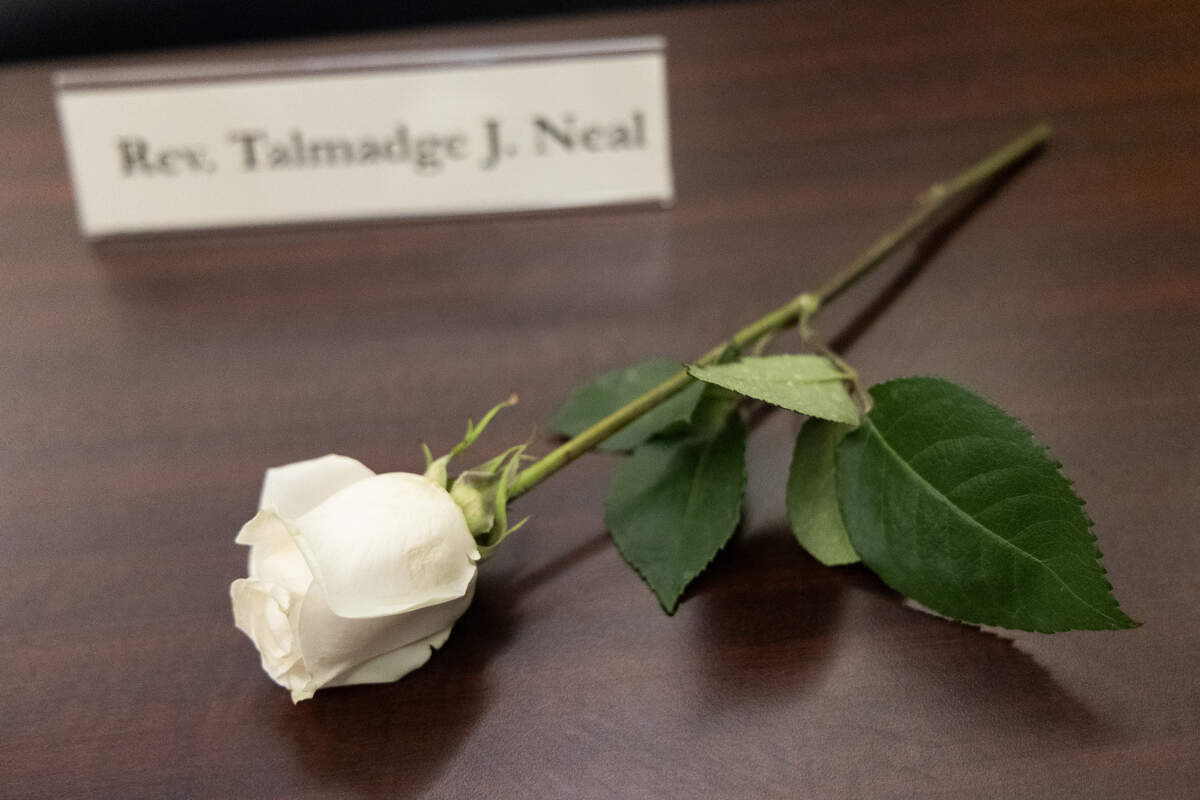
Bouie and Barr both expressed that they could not have known the impact their actions would have on the future of Civil Rights in Columbia, but they also referenced the other leaders who helped them along the way, like Rev. I. DeQuincey Newman, who treated Bouie and Neal to dinner after they were bonded out of jail March 16. He also mentioned I.S. Leevy Johnson, who was the first Black student since Reconstruction to complete three years of law school at the University of South Carolina.
Donaldson, who has made his own impact as a champion for Civil Rights in modern Columbia and a champion of remembering where the city came from, said the day’s events aren’t just about history.
“This is not just a moment of nostalgia,” Donaldson said. “This is a moment of deep, deep reflection, to understand what transpired in this city, and to also think about who were those men and women who changed Columbia.”
The men sat down at a lunch counter, Donaldson said, and “marched into the pages of history.”
The State reporter John Monk contributed to this report
This story has been updated to correct the spelling of a name.
This story was originally published October 26, 2024 at 6:00 AM.