
After nearly running out of cash, how can Midlands town get its finances back in order?
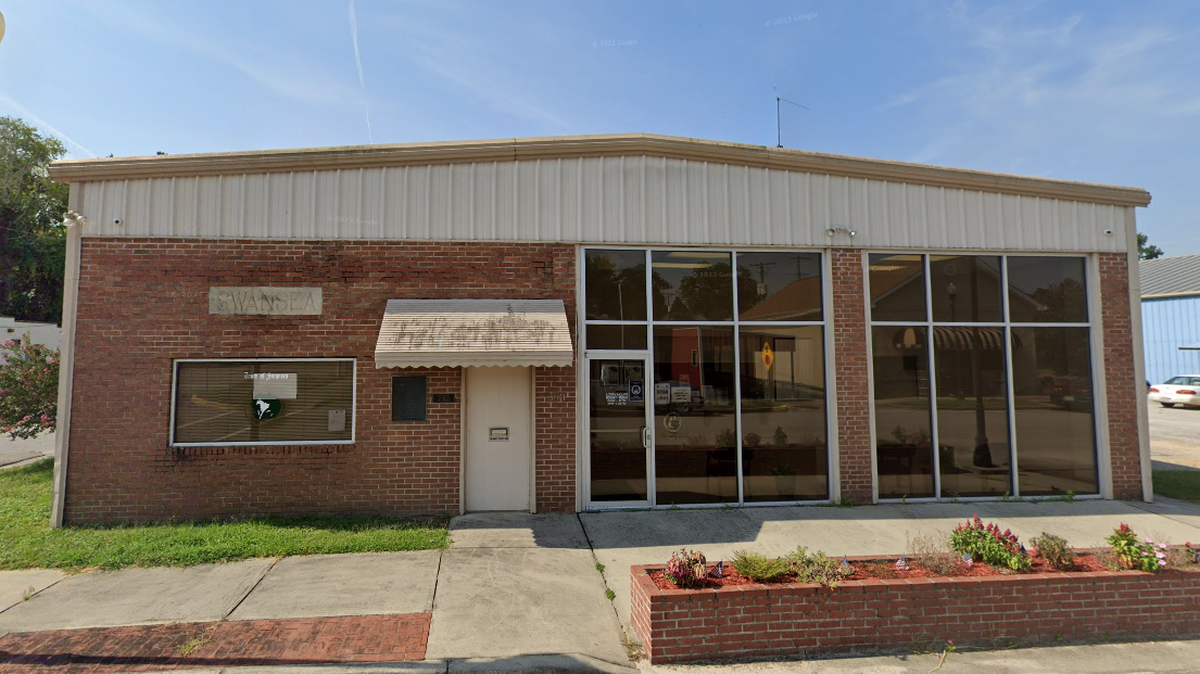
How can a small town manage when it’s nearly out of money?
That’s the situation Swansea found itself in last month, when the town expected to be down to its last $600 on hand by the end of November.
Mayor Viola McDaniel warned her colleagues on Town Council that Swansea had $20,576.96 available to cover expenses, and that at least $20,000 would be needed to meet the town’s payroll the final week of November.
“The town and police department will not be able to meet its financial obligation in the month (of) December,” McDaniel wrote in an email Nov. 19. She was even more pointed at the Town Council meeting Nov. 25, where she said, “The town doesn’t have any money.”
McDaniel sounded more hopeful when speaking to The State on Monday, when she said the town had paid all its employees thanks to “some finagling,” and was hopeful the town would receive additional tax dollars later in December, although she couldn’t say how much.
“We’re hanging in,” she said. “But the big money don’t start until February,” when the town expects to receive its 2024 property tax revenue for the year, its main source of funding.
The small town of some 700 people has struggled with its finances before. McDaniel said Swansea had become dependent on federal recovery funds issues through the American Rescue Plan to balance its books since the COVID-19 pandemic. That funding has since run out, with a bookkeeper’s report presented last week listing 40 cents in rescue funds still remaining as of Nov. 25.
McDaniel said the town needs to plan better for how to manage its finances in the latter half of the year, but doesn’t believe the Town Council has been responsive enough to the town’s financial needs.
“I told them we had to make plan, but it goes into deaf ears,” the mayor said.
Town Councilwoman Doris Simmons said the mayor hasn’t shared the details the council would need to do an in-depth assessment of Swansea’s financial resources.
“We’ve suggested selling property. There are several ideas that we suggested to the mayor,” Simmons said. “But I don’t know what we could do except sell land or borrow money.”
Simmons is looking at Swansea’s water department as a potential source of funds that could be transferred to other parts of the town. The bookkeeper’s report presented to the town council last week showed the water department in November had more than $240,000 on hand, compared to nearly $33,000 at town hall and nearly $7,500 on hand for Swansea police.
The report said that in the third quarter of 2024, Swansea had a total income of nearly $566,000, and expenses of more than $731,000, for a net operating loss of nearly $166,000.
But in South Carolina, municipalities are limited in how much money they can take out of enterprise funds like water services.
“It has to be deemed a surplus to be transferred” to another fund, said Naomi Reed, a field services manager for the Municipal Association of South Carolina, which provides services to the Palmetto State’s cities and towns. “So long as it’s deemed surplus and it doesn’t take away from debt service or anything related to the utility, then they would be able to use the money for specific uses, in some sort of transfer policy.”
McDaniel said repayment on a USDA loan to the town’s water department would preclude Swansea from tapping into water funds. She had previously said past decisions by the town to tap the water fund had left the department short.
“We can’t use enterprise money for anything other than reimbursement” for previous transfers between funds, the mayor said. “Then if you use that, the water department would be in trouble.”
Simmons also worries that the town isn’t collecting as much revenue from its water department as it could. Swansea’s budget shows the town collecting just more than $430,000 as of the end of June, down from more than $439,000 in 2021-22, even though water rates were raised in November 2022.
“All rates went up 25%,” Simmons said. “Why are we not showing an increase? Numbers don’t lie.”
McDaniel said the water department is currently dealing with repair needs and went a long time recently without a utility manager.
The town estimates more than $200,000 in unpaid water bills owed to Swansea, if it can find a way to get residents to pay their overdue bills. Swansea was reluctant to cut off residents during the COVID-19 pandemic, the mayor said, which left the town in a difficult position to recoup those costs now.
“It’s hard to tell a customer to pay after two years,” McDaniel said. “Where is the customer going to get that money from?”
The water department in November was also facing a more than $27,000 bill from Lexington County’s Joint Municipal Water and Sewer Commission. That’s because of heavy use of the commission’s pipes, thanks to heavy water runoff from this fall’s major storms.
Reed said that FEMA assistance is available for towns after Hurricane Helene’s impact on the state, along with other resources on the association’s website.
The town of Swansea’s finances have been plagued with controversy before. Former Mayor Jerald Sanders was indicted in 2021 for allegedly embezzling $4,500 in town funds. That case is still pending. The next year, Simmons and fellow councilman Mike Luongo filed a lawsuit against McDaniel and the town alleging an audit found some $3.3 million in assets unaccounted for. McDaniel has disputed that interpretation of the audit results.
But Simmons remains concerned about Swansea’s employees, who face the prospect of missing a paycheck until the town can refill its coffers.
“I’d hate to be in that situation, looking at the fact they might not get paid this month,” she said. “Would you want to be in that situation right before Christmas? They may go get another job, and if they get paid more, they don’t have to come back.”
This story was originally published December 4, 2024 at 8:51 AM.
.jpg)