Student rentals have reshaped this old Columbia neighborhood. Can its history endure?
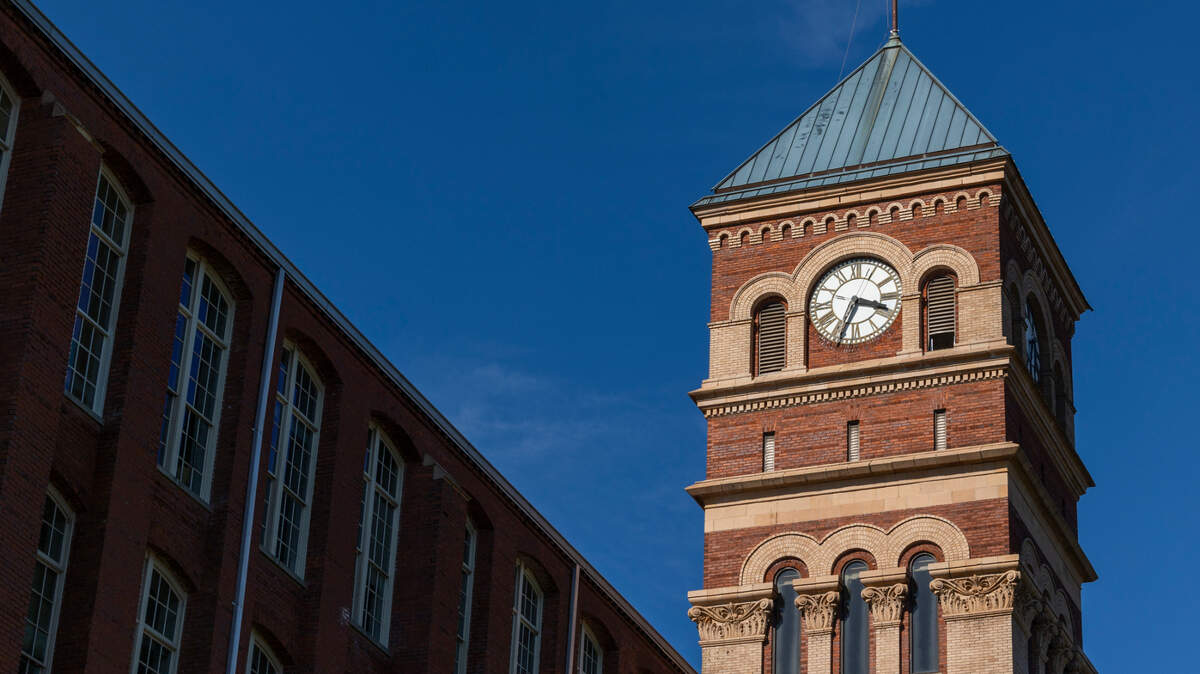
The Olympia Mill south of downtown Columbia was once the largest cotton mill in the world.
Imagining the area bustling with workers may be hard to picture now. These days, the area is best-known for its student rentals. But it was once dominated by families, with multiple schools, restaurants, and even its own swimming pool and bowling alley.
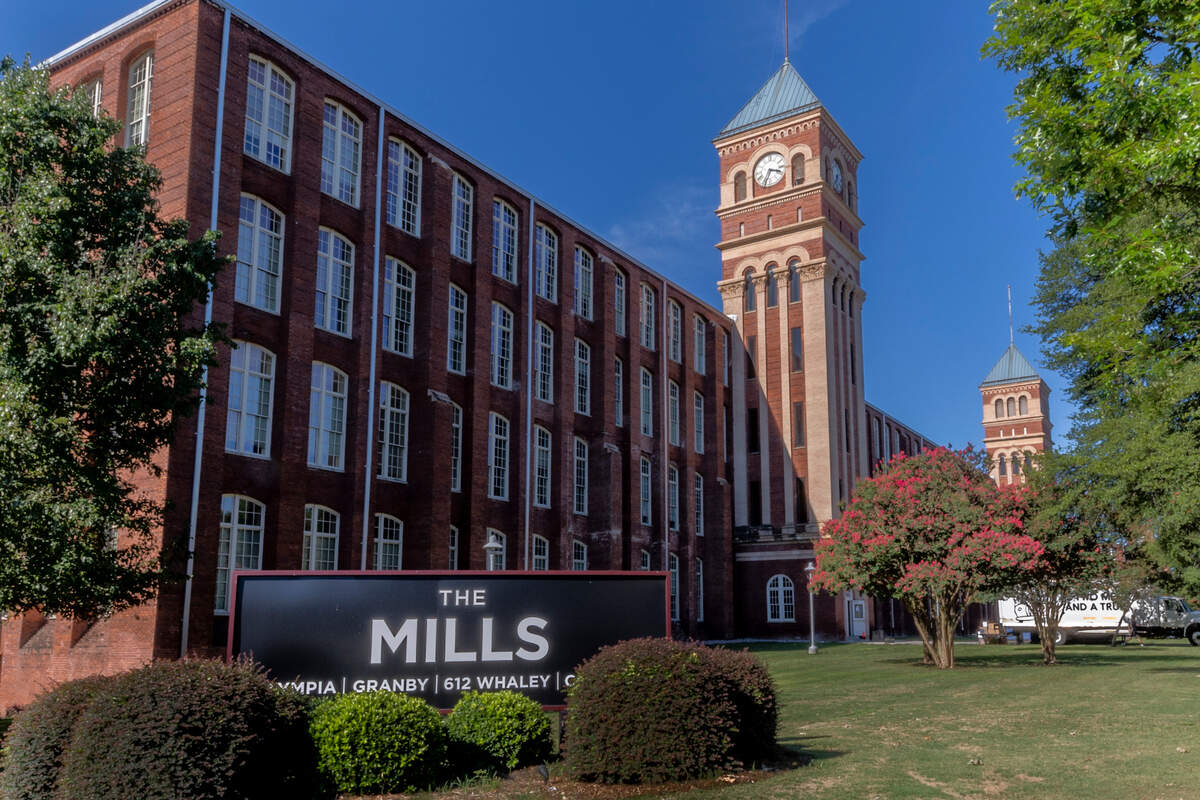
People from across the country would come to Columbia seeking better fortunes, or at least a living. The framework of that abundant past is still standing, though mostly repurposed. Former mills have become student apartments. An abandoned community center is now an artists’ hub and gathering place. An old school is now a museum.
But maintaining that story has been a difficult task for locals who worry more rental properties and encroaching traffic will continue to erode what’s left of the historic district. What will the next iteration of the Mill District look like?
Storied past
In 1908, native Tennessean Thomas Jaco was among the men arriving in Columbia looking for an opportunity. He started working at the Olympia Mill and lived in one of the saltbox houses built for the workers by the mill’s creator, W.B. Smith Whaley.
Later, in 1912, he would start the now-iconic Jaco’s Corner. At first it was a simple grocery stand where people could buy a soda or a snack. But it soon evolved into a bar and diner. Thomas’ children and grandchildren kept Jaco’s Corner going for more than a century before it was closed in 2017.
One of those grandchildren, Jake Jaco, has spent decades preserving his grandfather’s history along with his wife, Sherry.
Sherry and Jake went to the first day of first grade together at a small school in Olympia in 1951.
“We stood up as first graders, we lined up right there and went in that door together, [and] came out 12 years later out of the gymnasium,” Sherry recalled.
The couple have operated a museum telling the history of the Olympia neighborhood and the mill villages since 2013. The Mill District is comprised of three neighborhoods: Olympia, Granby and Whaley. The Jacos grew up in Olympia, but the other mill villages were similar.
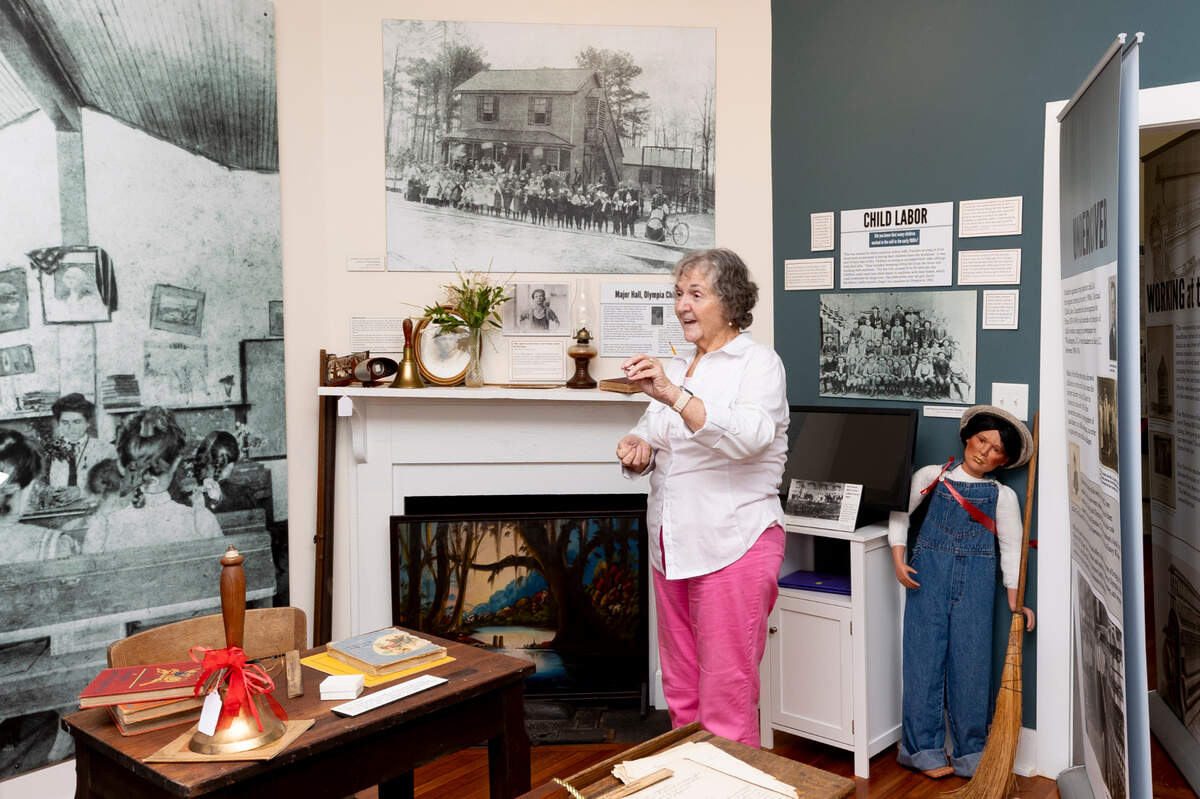
They want to preserve the history of the mills not only for their own families, but because the mills played a major role in American history as well.
The architect and engineer William Burroughs Smith Whaley was at first only interested in Columbia for its proximity to the Congaree River. The Charleston-born son of a cotton broker came to the city in 1892 with plans of using the Congaree to power hydroelectric textile mills.
But he was struck by Columbia and decided to stay — a decision that would reshape the pocket of the city known today as the Mill Villages. Between 1894 and 1904, Whaley built the Granby, Olympia, Richland and Capital City cotton mills.
Today three of those mills are student apartments and another is a utility warehouse. But at the time they were the center of a major economy.
On one of the walls in the Jacos’ museum is a now-famous photo of 12-year-old Furman Owens, a worker at the Olympia Mill in 1909. It was taken by investigative journalist and photographer Lewis Hine, who captured images of child labor across the country in the early 1900s.
Child labor and other workers-rights problems at the mills in Columbia led to a huge labor unionization movement, which was part of a nationwide shift for workers rights. But the neighborhoods once filled with mill workers are now mostly student rentals.
“Our mission is now to create connections with those temporary residents, you know, and try and draw students in and help them understand that this is a place of history and a place of importance,” Sherry Jaco said.
Student housing
History is not the only thing the Jacos and others in the mill villages are hoping to protect.
Sherry remembers what it was like here in the 1960s, likening it to the TV show “Happy Days.”
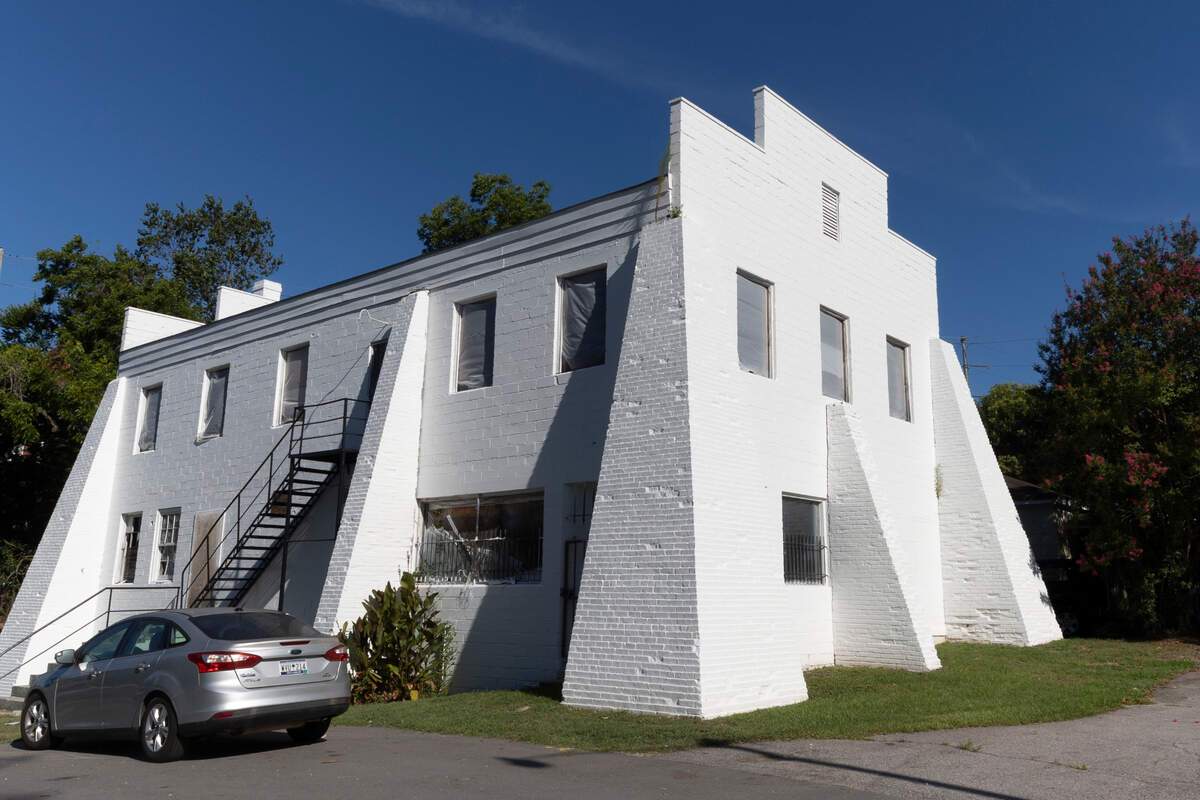
“The big white building right across from the school was the Olympia grill, and it had hot dogs and it had a juke box,” she said, “and we could even leave school at lunch time, run over there and get a hot dog [and a] dance.”
There was a genuine sense of community, Sherry said, largely because people owned their homes and their families grew up together.
But by the 1970s, that started to change. When the mills closed in 1996, the area was already mostly rentals. But a decade after they were closed, the Olympia and Granby Mills were both turned into student apartments.
It opened a floodgate for new student rentals, said Viola Hendley, an Olympia resident and board member of the Mill District Alliance.
“I certainly think the Mill District as a whole has been fairly well preserved over the last 40 years,” Hendley said, but she added it has been difficult to make progress with student rentals because they are by nature temporary residents.
As of 2023, there were at least 1,600 rental units in the Mill Villages, according to census data. There were an estimated 214 owner-occupied units.
Hendley has been working with local leaders to try to get Olympia annexed into Columbia, which she said has more regulations than the county. Currently, the Mill Village is divided by the city line, and Olympia is technically in Richland County. And because the area is so full of short-term residents, she’s had a difficult time getting support.
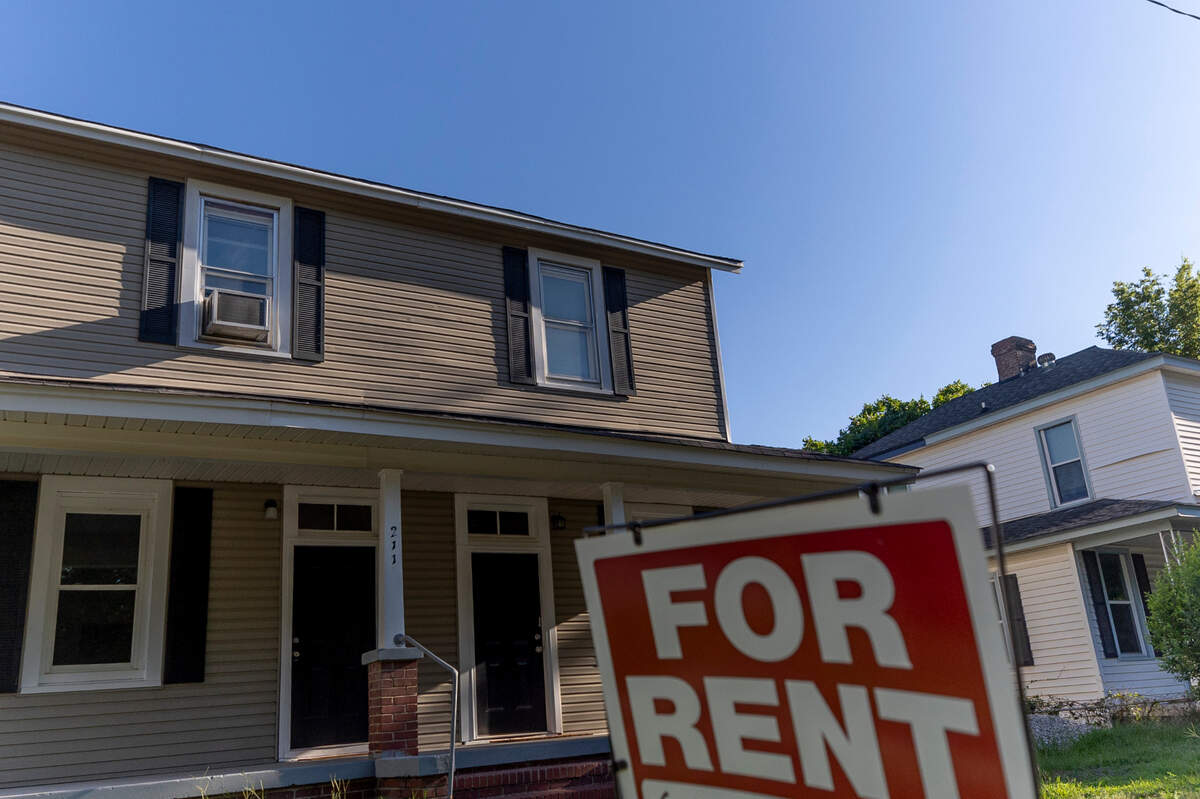
“As long as they view themselves as transient, it becomes difficult to get engagement,” Hendley said.
But she is persistent because the number of students looking for rentals each year only continues to grow.
The University of South Carolina’s Columbia campus, located just to the east of the Mill District, grew from an enrollment of roughly 25,500 students in 1996 — the year of the mill closure — to 33,700 students in 2016. A record 38,300 students enrolled at the Columbia campus for the Fall 2024 semester.
“The physical growth required to support the enrollment growth has created enormous pressure on the Mill District” reads a 2016 plan created to address some of these concerns by residents. Now nearly a decade later and many elements of that plan remain unimplemented.
Implementing that plan is one of the main goals of the Mill Village Alliance, which is a newly organized neighborhood group of many longtime community leaders who hope to move the needle on traffic improvements and quality-of-life issues.
Residents have sought more regulation and enforcement of an ordinance that requires landlords who live more than 50 miles away to hire a local property manager.
Other aspects of that 2016 plan included a laundry list traffic improvements, protecting green spaces and making regulations more uniform.
On the horizon
While the plan for the Mill District was written almost a decade ago, at least one major element of the vision has been stalled: separating the street from the railroad tracks.
There are more than a dozen at-grade railroad crossings in or around the Mill District, and at least half a dozen that see more than 15 trains a day roll through. The long freight trains can take several minutes to clear an intersection, causing traffic jams and safety problems.
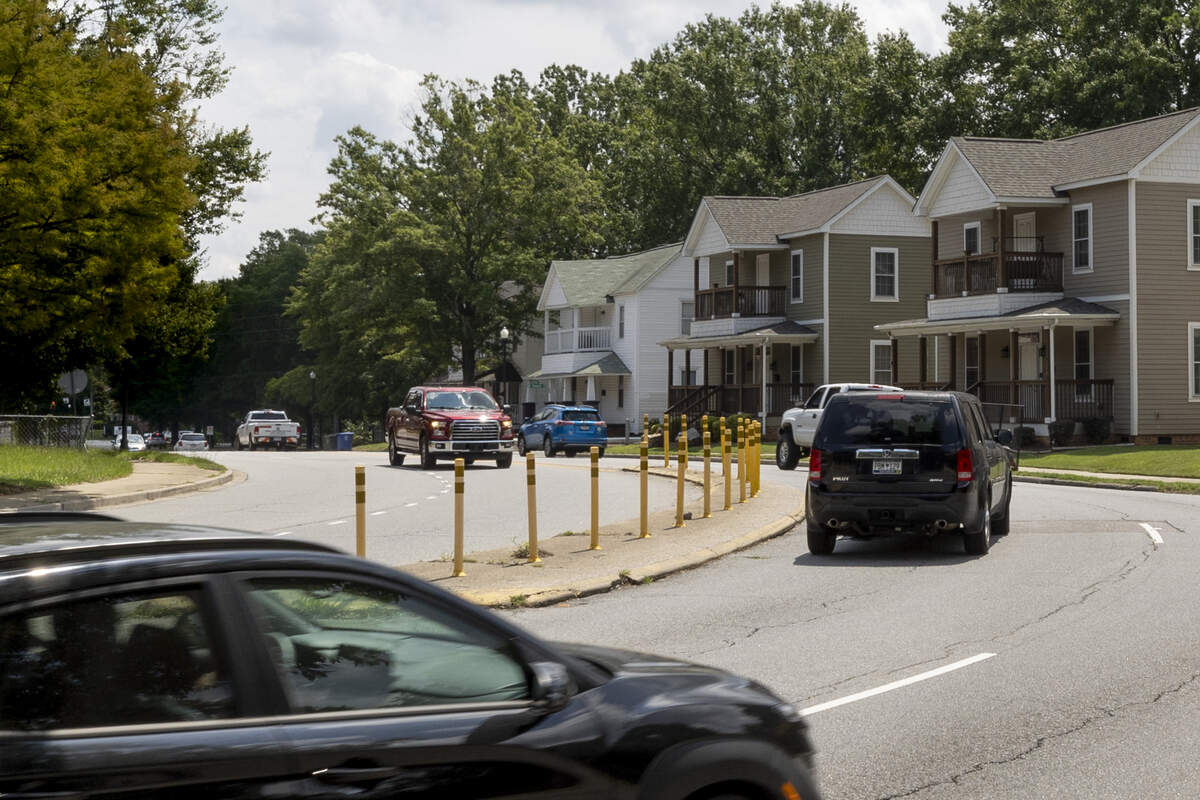
The South Carolina Department of Transportation has spent years narrowing down options for how to eliminate those crossings by splitting the rail from the road.
At a recent meeting, the department shared what those plans might look like. The plans call for either building rail bridges over Assembly Street and lowering the roadway, or building roadway bridges for vehicles to move above the tracks.
A previous plan would have also included rerouting traffic on Huger through the Olympia neighborhood, which residents worried would effectively divide the district.
But DOT officials say that option is no longer being considered.
“We’re in a much better place,” Hendly said about the updated plans, but added the neighborhoods still have a few concerns about ensuring the neighborhood grid is protected.
Elsewhere in the Mill District, Rep. Seth Rose, D-Richland has received $500,000 from the state budget for improvements to a portion of Heyward Street south of Whaley.
Hendley said if the city and county are able to implement the elements of the 2016 plan for the Mill District, she feels confident it will continue to be successful.
“If we do that, the Mill District will be available for families to utilize, for young people to utilize, for historic preservation purposes,” Hendley said.
This story was originally published December 20, 2024 at 5:30 AM.