Columbia is closer to splitting busy street from railroad tracks. What might it look like?
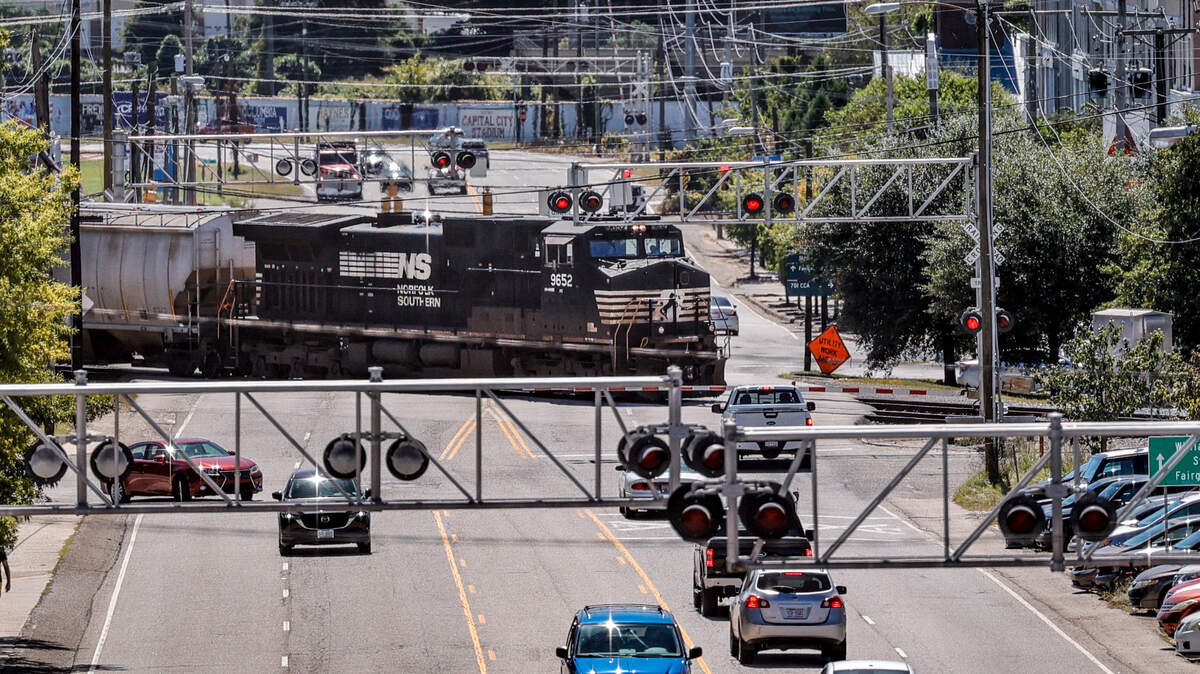
Columbia leaders have for years dreamed of removing the dozen-plus railroad crossings on Assembly Street and through the Olympia neighborhood.
Trains come through the crossings with little warning, stopping traffic at the tracks while the often long line of box cars rolls past. State and local leaders have talked for decades about fixing this problem, which can cause major traffic disruptions that ripple across town.
Now, the plan is as close as it’s ever been to reality. After decades of conversation, the South Carolina Department of Transportation is presenting three options for what Columbia might look like if the train tracks were rerouted.
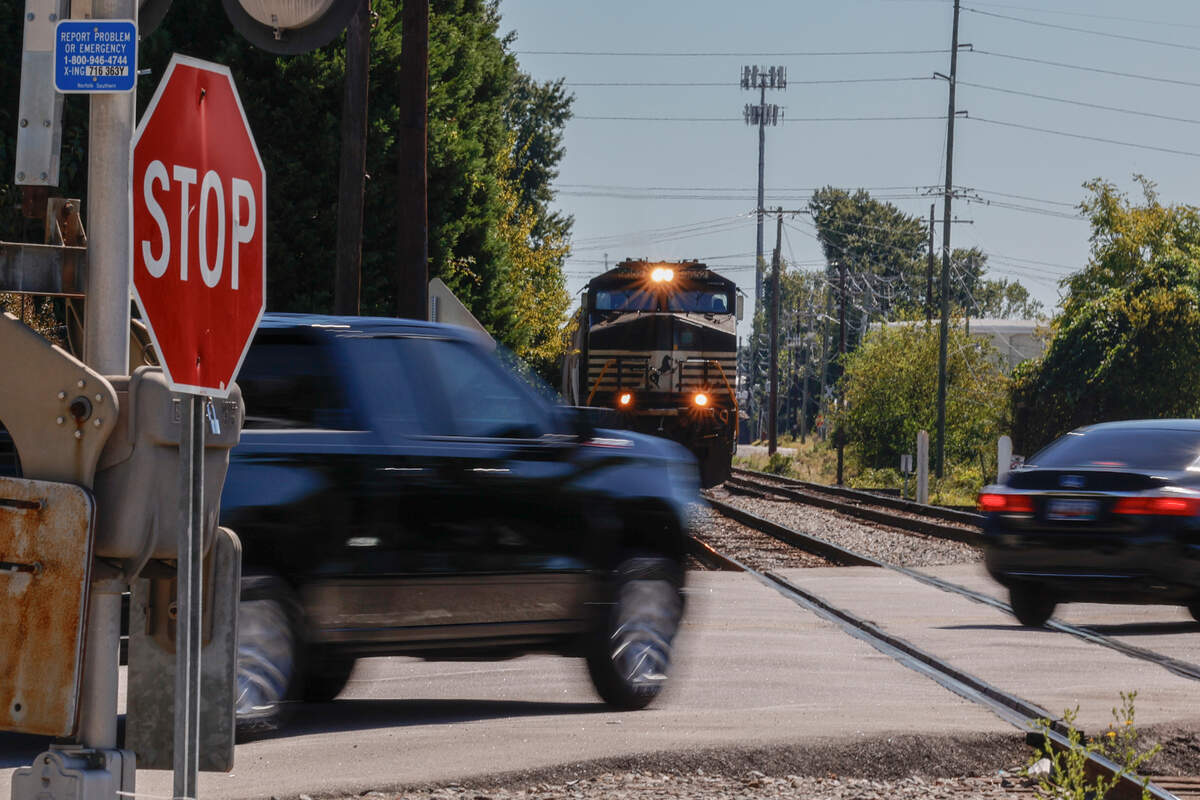
The plans call for a dramatic reshaping of a portion of Columbia, including building new bridges and relocating homes and businesses. But project leaders say they are taking public feedback seriously and will be collecting input from residents until Jan. 11 with hopes of creating the least disruption.
The S.C. Department of Transportation has spent years narrowing down options for how to execute the plan, going from more than 25 possible new traffic patterns down to the three options presented at a public information meeting Wednesday evening, explained Department of Transportation engineer Joey McIntyre.
The plans call for either building rail bridges over Assembly Street and lowering the roadway, or building roadway bridges for vehicles to move above the tracks.
The work has previously been estimated to cost around $200 million. The Department of Transportation is looking at federal grants to pay for the bulk of the work. The project has also received $35 million in state earmarks over the last three budget cycles, with help from former Rep. Kirkman Finlay, current Rep. Seth Rose and Rep. Todd Rutherford.
The city of Columbia and Richland County have also previously pledged to contribute $15 million between the two governments.
The specifics of the three plans are:
Plan A and Plan A-1, as DOT is referring to them, both call for building rail bridges over Assembly Street, as well as consolidating and abandoning a portion of CSX track. Both plans would also require Assembly Street to be lowered 18 feet to accommodate the new bridges.
The plans differ slightly in how they would affect residential and arterial streets. For example, Plan A would close 11 street-level railroad crossings, whereas Plan A-1 would close 15.
Both projects anticipate needing to relocate five residences and 15 and 17 businesses, respectively.
Plan B would leave most of the railroad tracks alone, instead opting to build the roadways over and around the tracks. New roadway bridges would be built to raise Assembly over the tracks near the former Capital City Ballpark, and another bridge over Catawba and Whaley streets. This plan would impact one residence and 15 businesses or institutions, according to the DOT. Plan B would also be the most expensive.
Right now, the department is in the planning and design phase of the project, construction is still a long ways off, said Katie Curry, a DOT consultant with the engineering firm STA who is leading the work, explained.
Residents in the area had been concerned about previous plans, particularly one that would have rerouted traffic on Huger Street to Catawba Street. But now, most of those concerns have been resolved, said Vi Hendley, who sits on the Mill Village District board.
“We’re in a much better place,” she said, but added the neighborhoods still have a few concerns about ensuring the neighborhood grid is protected. Their preference would be Plan A-1, she said, but with an amendment to keep Lincoln Street open.
Residents can comment on the plans at scdotgis.online/assemblystreetrail, by emailing McIntyreJD@scdot.org or by calling 803-737-1842,
This story was originally published December 12, 2024 at 1:02 PM.