Will Columbia implement student housing ban? City council will debate as measure advances
The city of Columbia could put a stop to new student housing projects downtown.
On Tuesday, the city council agreed to create an ordinance to ban new “private student dormitories” in the downtown corridors around Main Street and The Vista.
“While various housing developments, including student housing, have contributed to the City’s goal of enhancing downtown vibrancy and economic opportunities, the substantial increase in private student dormitories (defined as units with four or more bedrooms) has shifted the housing market balance,” the city said in a statement sent to The State. “The proposed amendment aims to restore this balance by promoting diverse housing options.”
City Council will still debate the merits of a ban, and what specific elements a property would have to have to fall under it. A public hearing is scheduled for April 15. Before that public hearing, Mayor Daniel Rickenmann said the city plans to have conversations with the different parties touched by student housing to better narrow the future rules around student housing.
“I want to be very, very clear that this council supports student housing,” Rickenmann said, but he added that city leaders also must talk about the current environment, which some say is over-saturated with student housing. This process will allow that conversation to happen, he said.
If passed, the measure would seek to create a “more balanced mix of housing,” geared toward families, young professionals, and long-term residents, according to the city’s meeting materials.
It would specifically target “private student dormitories,” which are defined as a building not owned or operated by a college or university with one or more dwelling unit that contain bedrooms for students and where the occupants of each unit are not a family.
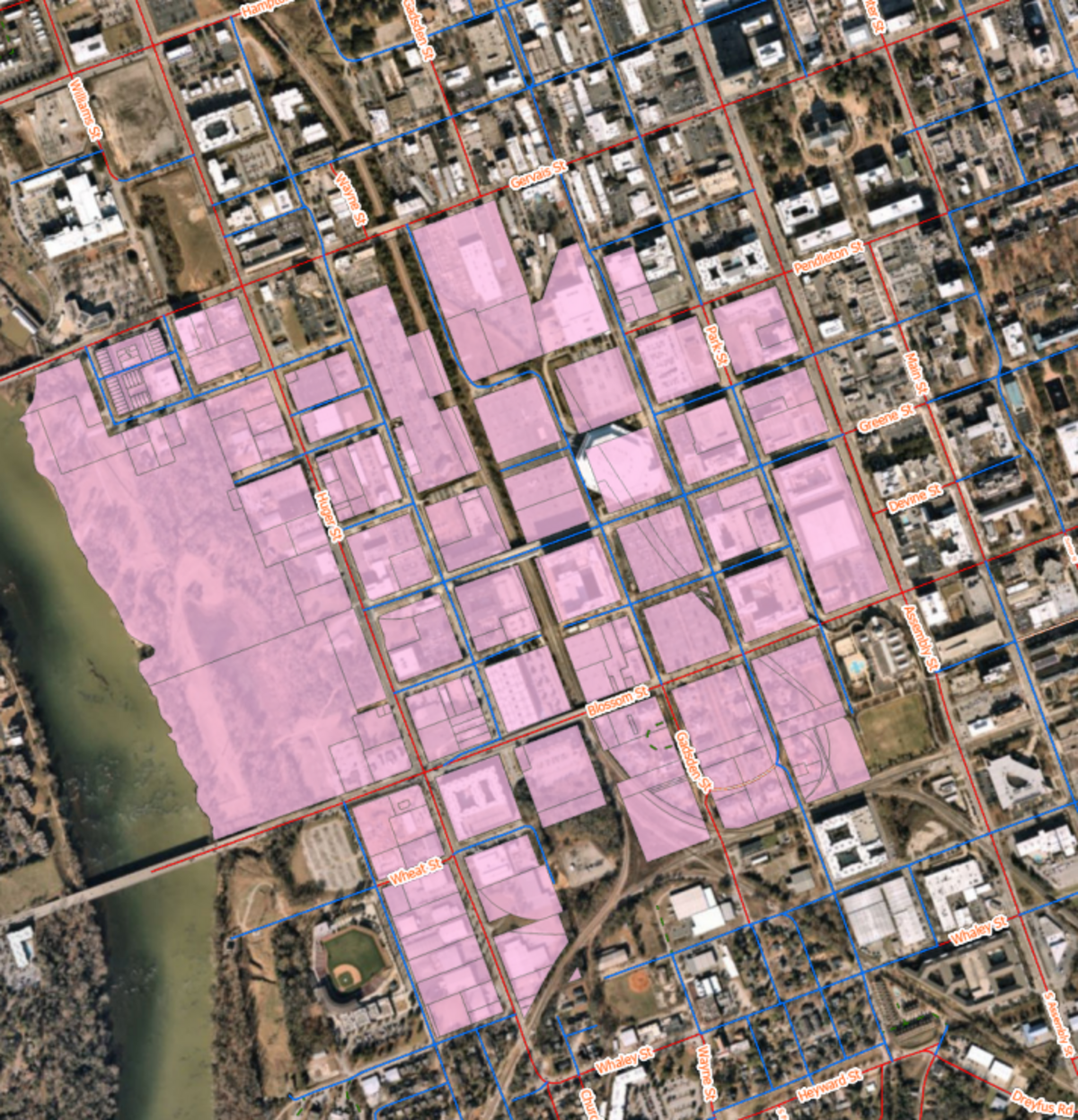
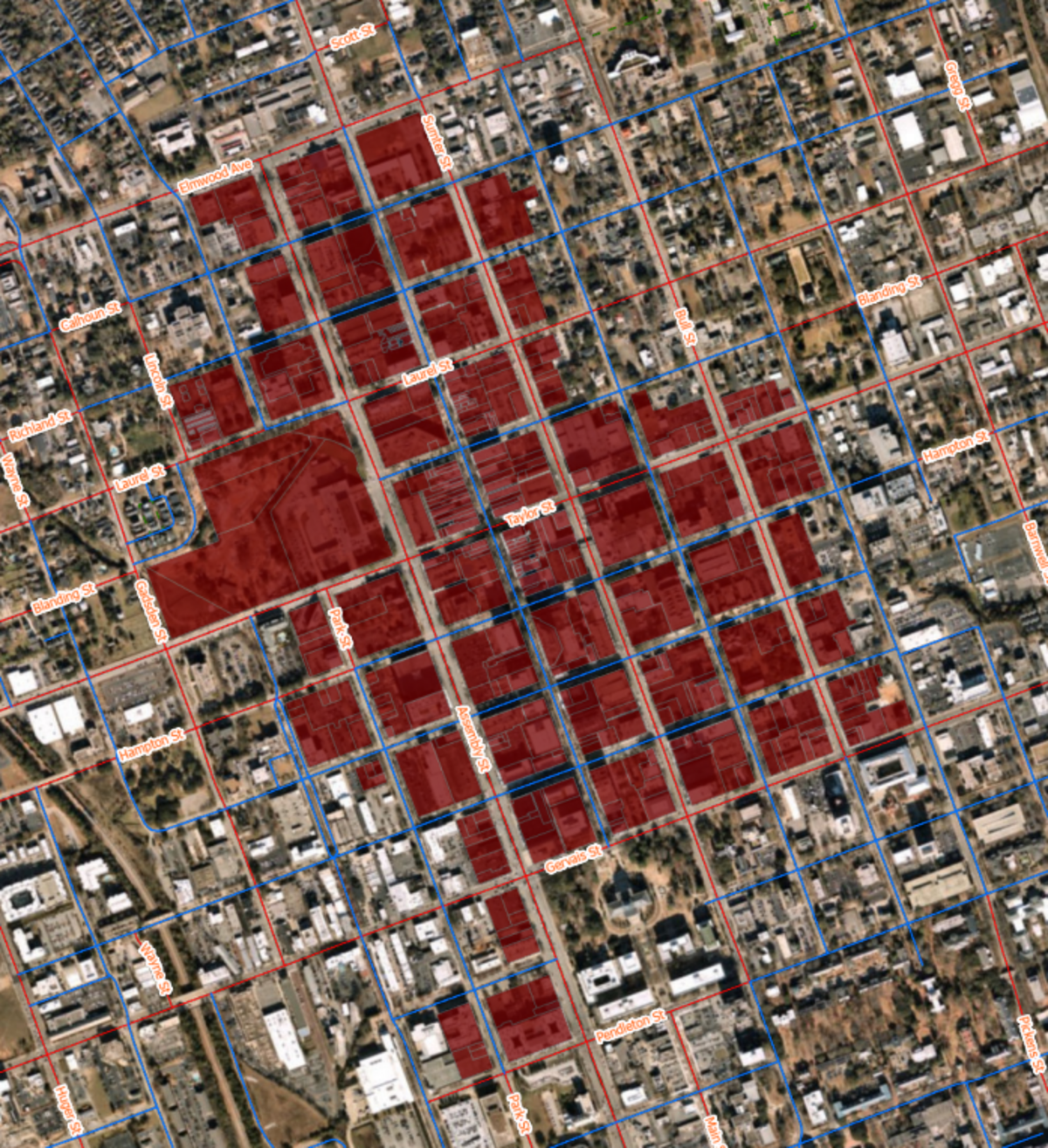
The move comes as tensions over student housing continue to rise across Columbia, not only downtown. Residents in the busy downtown neighborhoods, like those living on Huger Street, worry about an increase in traffic and safety problems. Residents in more residential neighborhoods like Rosewood worry about the erosion of their communities.
The ban on student housing would also be a shift from the city’s prior approach to development, which specifically sought out student housing projects.
In 2014, as the student population in Columbia was continuing to climb, city leaders saw an opening.
“We knew there would be a significant need for more student housing,” Steve Benjamin, Columbia’s mayor at that time, said in a previous interview with The State. But the move was also strategic, he added, to increase the number of private entities paying taxes — a limited opportunity in a government town.
So to boost the tax rolls and to help the university meet the growing demand for student housing, the city along with Richland County in 2014 granted developers of student housing projects a 50% tax break for 10 years in exchange for investments of at least $40 million.
In a matter of years, downtown was flush with student housing, with thousands of new residents spread across incentivized projects such as the 724-bed Greene Crossing apartments in the Vista, the six-story, 650-bed Empire apartments on Assembly Street and the 660-bed Station at Five Points development slightly farther away from campus.
Plus, other projects not included in the incentives program, like the 847-bed The Hub on Main Street, also came online. The first city-county tax incentive program for student housing only lasted a few years, but the private apartment wave has continued.
Today, a 940-bed luxury student apartment project called Gateway 737 is about to open near Colonial Life Arena, and a 700-bed private development named Verve Columbia is under construction at the intersection of Blossom, Huger and Wheat streets near the USC baseball stadium.
With the council’s unanimous approval Tuesday, the city will now draft the ordinance, and the city’s Planning Commission will also have to weigh in.
The Planning Commission will consider the move at its next meeting, March 13. That commission’s recommendations will go to the city council, which will hold a public hearing for the new ordinance at an April 15 meeting.
This story was originally published February 18, 2025 at 11:55 AM.