Decrying segregation, capturing Gullah culture: A famed photographer’s SC legacy
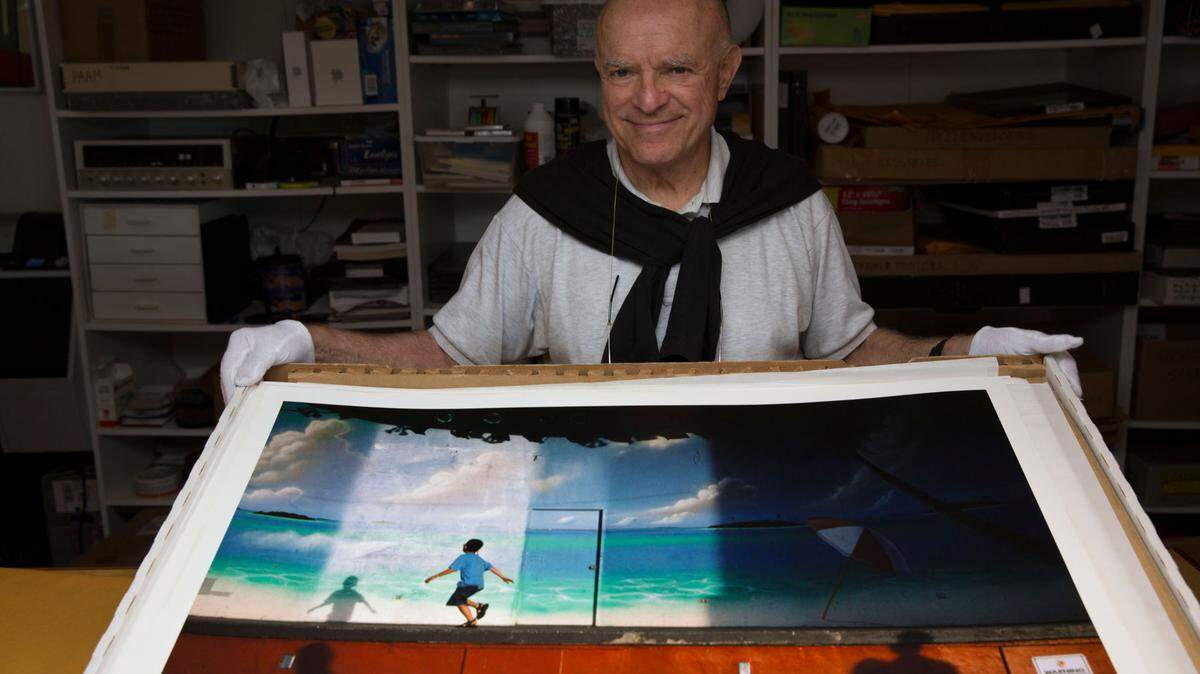
Georgia native Panos Constantinides thought he knew most things about his uncle Constantine Manos.
Constantinides regularly visited his uncle, who resided in Provincetown, Massachusetts. There they would fish and travel around different parts of the Northeast, while talking about “all sorts of stuff.” Manos, his nephew said, was someone who loved history and classical music and who could be “a little unpredictable.”
But Constantinides knew his uncle’s stories. He knew that Manos had traveled throughout Europe and the U.S. He knew his grandparents were Greek immigrants, who raised Manos and his two siblings in Columbia. And he knew that Manos attended the University of South Carolina in the early ‘50s.
But it wasn’t until his uncle was in his late 70s that he revealed a new story: Manos wrote what were likely the first anti-segregation editorials for the University of South Carolina’s student newspaper in 1953.
“I was proud of him for that,” Constantinides said. “It was one of those things where you think you know somebody and you’ve known them all of your life, but you still find out some things about them.”
Outside of South Carolina, Manos became renowned for his ability to photograph the human condition and attempt to capture moments that may never happen again, which he flexed as a photographer for Magnum Photos, a prestigious cooperative of professional photographers who work across the globe.
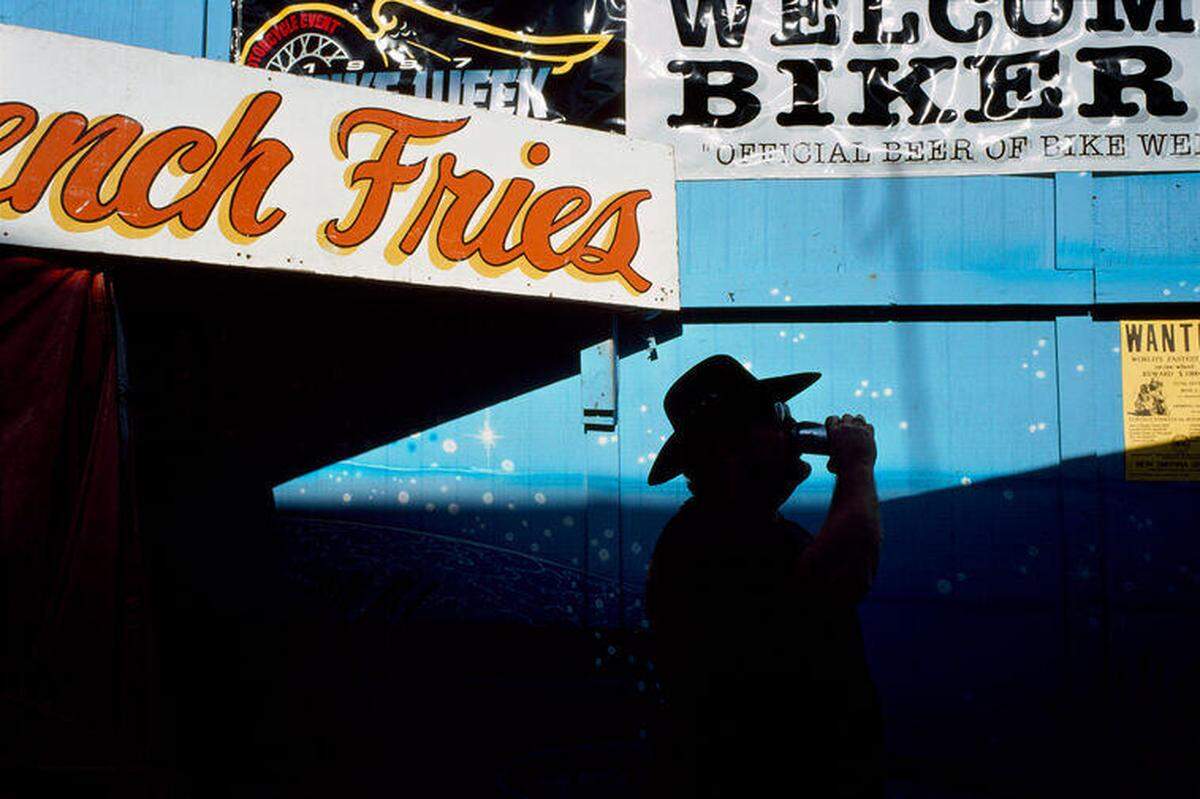
Manos’ collections such as “A Greek Portfolio,” “The Bostonians,” and “American Color” have drawn praise from across the industry. His photographs are in the permanent collections of several prestigious institutions, such as The New York Metropolitan Museum of Art, The Library of Congress, and the Art Institute of Chicago.
Manos, who was known by close family and friends as “Costa,” died in January. He was 90.
To the average person in Columbia, Manos likely isn’t a well-known name. But he’s recognized by historians who have studied his work, long-time friends that still live in the area, and those familiar with his photography. In South Carolina, he helped tell the stories of a state going through crucial moments in Civil Rights history.
A rare voice on campus
In 1952, The Gamecock didn’t have a regular staff photographer taking pictures for the University of South Carolina’s student paper — that is until Manos came along.
Then-sports editor Ralph Gregory had been using a local photographer in Columbia when Manos came to him. He asked if he could take pictures of South Carolina football games.
“I said, ‘Absolutely,’ because I’d heard that he was really good,” Gregory said.
Manos went on to do more than just take photos of football players. When Dwight Eisenhower visited Columbia while he campaigned for president in October 1952, Manos was there to capture his rally at the Statehouse. He became features editor and later news editor as Gregory stepped into the role of editor-in-chief.
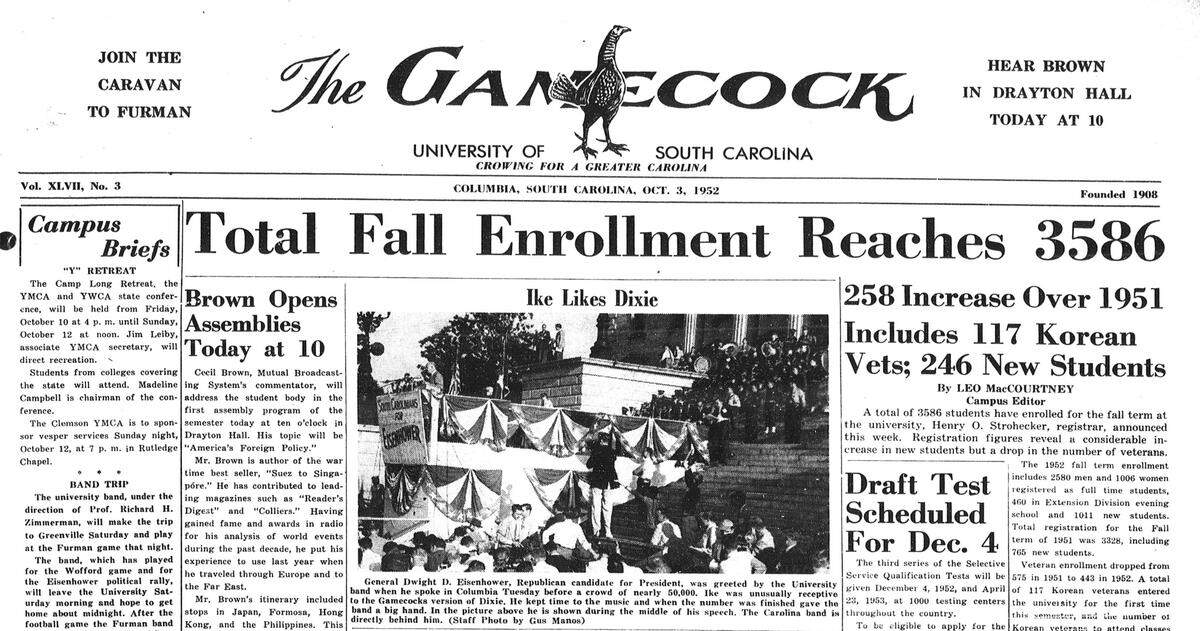
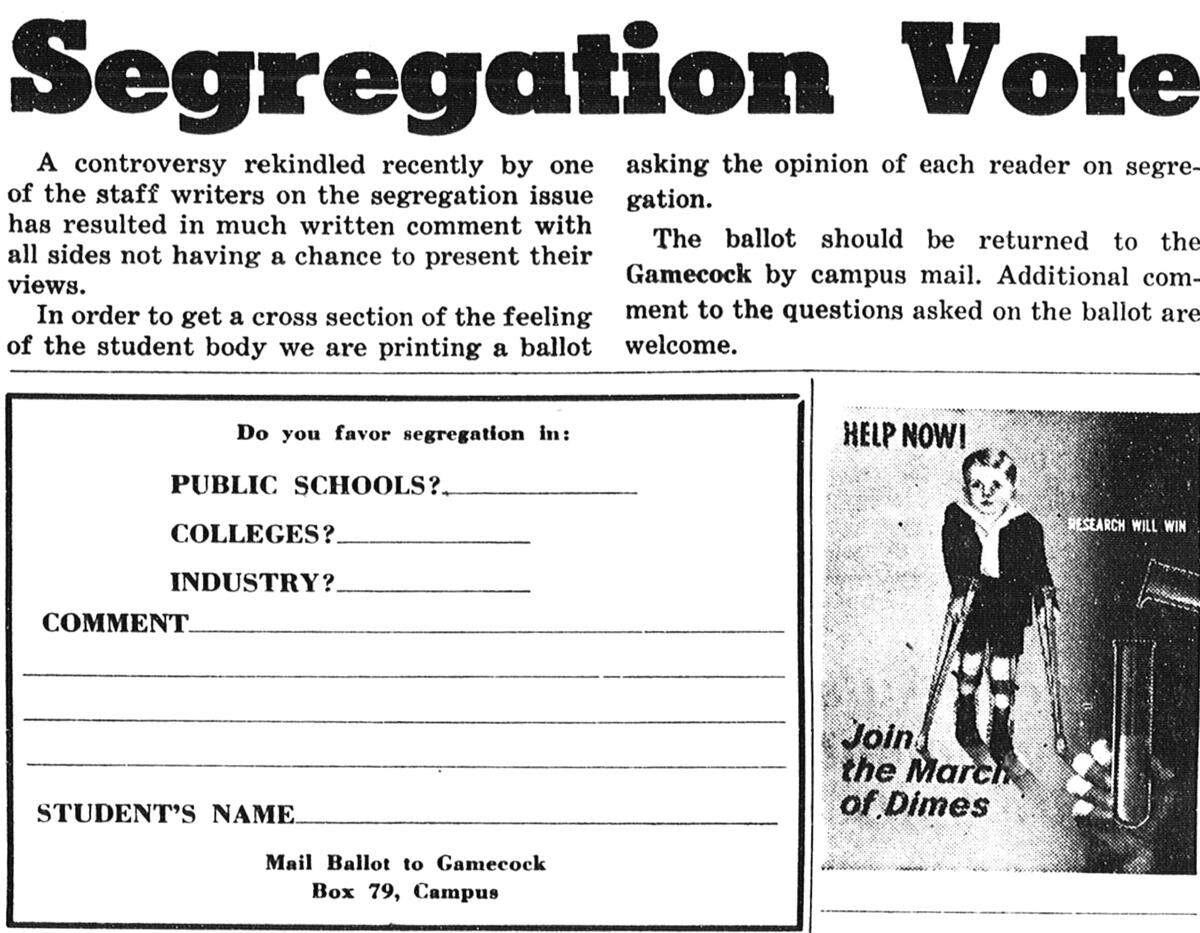
His contributions didn’t stop there. Ten years before the university desegregated in 1963, Manos published his first column in a series that argued why segregation should be abolished. The first column, titled “Segregation Is Basically Wrong,” asserted that South Carolina would not be able to move forward as long as segregation continued.
“Its practice is sinful, hypocritical, and backward. It represents the antithesis of the great concept of the brotherhood of man,” Manos wrote in The Gamecock in November 1953.
The column and Manos’ perspective surprised Bobby Donaldson, the executive director of the Center for Civil Rights History Research and a history professor at the University of South Carolina, given that Manos attended the university when segregation was heavily favored among the student body.
“He not only had those thoughts. He proclaimed them openly at a moment when that was not widely embraced at all, in fact, frowned upon,” Donaldson said. “Here is someone going against the very environment and the very culture, going against the conventions of that time period.”
Manos was born in Columbia during the height of racial segregation in the Jim Crow South in 1934. His parents operated and owned the Washington Street Cafe, which stood in the heart of Columbia’s Black Business District at the time.
This gave Manos the ability to “see the color line in ways that many probably could not at the time,” Donaldson said.
“He had a window seat into a lot of the thinking among African Americans about how they process the world of segregation around them, [and also] how they contemplate it and envision a way to undo that world, to challenge it,” Donaldson added.
After Manos published his first column on segregation, he and his family received threatening phone calls, Constantinides said. Several people within the campus community also wrote letters to The Gamecock, expressing their views on segregation.
The paper received so many responses to Manos’ column that its staff decided to conduct a poll of the student body, asking if students were for or against segregation. The poll found that in January of 1954, 74% of students were in favor of segregation. But Manos continued to publish more columns, picking apart arguments for segregation.
The columns Manos wrote were published at the same time that prominent South Carolina Civil Rights figures were challenging inequality in public education, with cases such as Briggs v. Elliot.
Donaldson said he’s unsure as to how much Manos created conversations past the university community, but his efforts didn’t go unnoticed. Through his research, Donaldson found copies of Manos’ columns in the files of South Carolina Civil Rights Leader Modjeska Simkins.
“It obviously caught the attention of other Civil Rights champions, who, I suspect, were pleased to know there were some young thinkers who saw the world as they did,” Donaldson said.
Developed in Columbia
Manos always had one focus when he took photos: people
He wanted to capture them in the moment — a passion that first began when he joined a camera club at Wardlaw Junior High School at 13.
After he joined the club, Manos used the basement in his parents’ house on Price Avenue as a dark room to develop his photos. Years later, even after Manos left South Carolina, Constantinides said he could remember finding negatives all over the floor.
Manos continued to use the room to develop his photos in high school — something his parents were always supportive of, Constantinides said.
“Nobody could see that you could make a living taking pictures, especially in an immigrant community,” Constantinides said. “I mean, think about it. You’re really trying to get by, and your kid wants to take pictures. You know, it’s not the kind of thing that you would say, ‘Oh, sure, go ahead, do it.’ But they encouraged him.”
Manos went on to take photos for the Columbia High School student newspaper where he won several awards from the South Carolina Scholastic Press Association for his photo journalism and writing under the nickname “Gus Manos.” He then became editor-in-chief of the paper in 1951, taking over for his sister, who led the paper before him.
Beyond his scholastic endeavors, Manos took photos for The State Newspaper.
When he got to college, photojournalism was his emphasis throughout his time there. He wanted to tell stories, not with words, but through the lens of his camera.
From Boston to the SC coast
Manos always loved music, and when he found the Boston Symphony Orchestra was looking for a photographer, he sent them a few samples of his work, said Michael Prodanou, Manos’ husband and partner of 61 years.
The orchestra hired Manos when he was just 19 years old.
“He thought [the position] was for an assistant, but it wasn’t. He was to be the photographer,” Prodanou said. “Of course, he was thrilled beyond words. I mean, golly, it was just terrific.”
Manos’ photos of the Boston Symphony Orchestra were published in 1961 in his book “Portrait of a Symphony.” But these photos weren’t the only ones he accomplished in college.
Manos often traveled to Daufuskie Island, an island just south of Hilton Head. He became interested after he read an article about its inhabitants, who were said to be descendants of the original enslaved people who lived there, Manos said in a 2020 interview with Leica International Society.
He photographed a boy on the island, who gathered oysters and crabs with his grandfather. When Manos returned to the island more than a decade later, the people he knew were gone, driven away when the water around the island became polluted.
Manos understood the South was “a far more complex and diverse region than is generally known,” Donaldson said, adding that the photographer used his camera to help give visibility to marginalized people.
“No one knew, or knew well, the people that lived in that isolated island,” Donaldson said. “But Manos gave the world a glimpse — he gave people a glimpse of the world that these African Americans created and sustained on that island.”
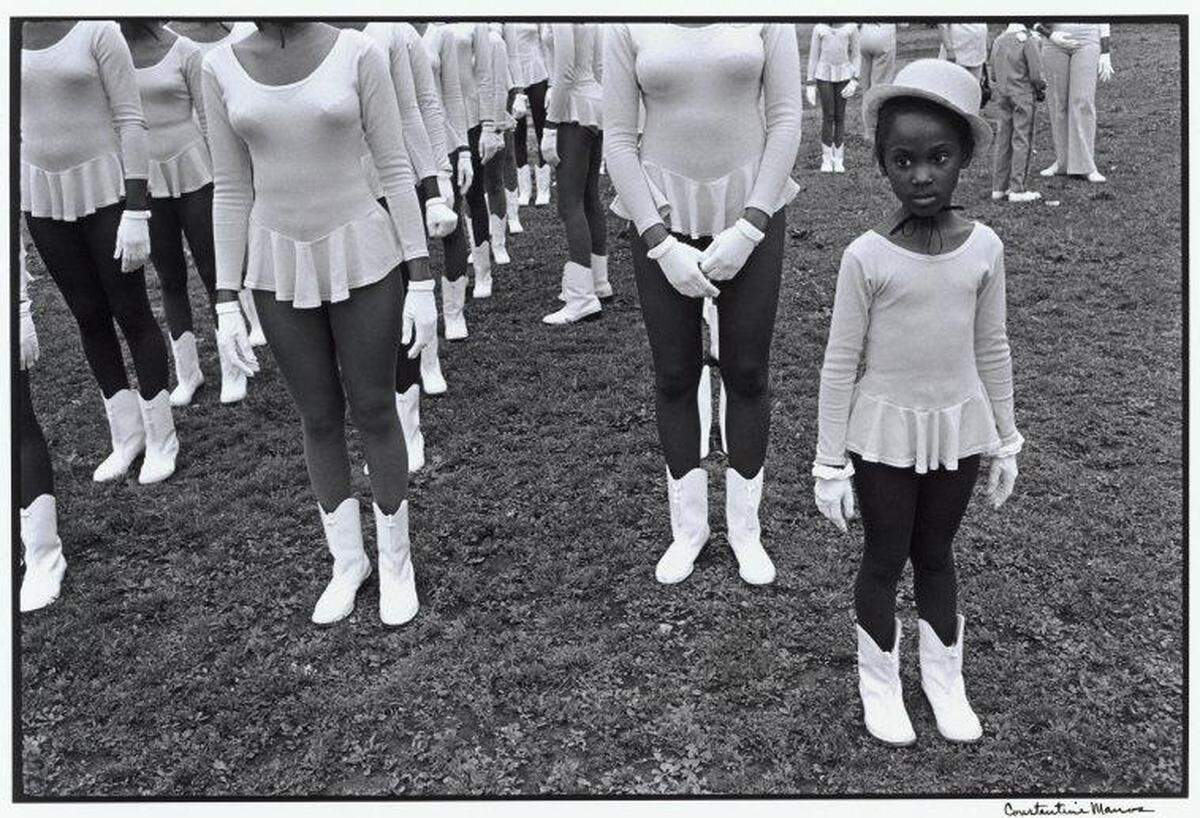
Manos’ photos from Dafauski Island appeared in his series “Stories from the South.” The collection spans the ‘50s and ‘60s and capture South Carolina sharecroppers, a funeral for a Vietnam soldier and Ku Klux Klan meetings.
As a photographer, Manos was always trying to make the viewer think, Constantinides said.
“He would tell you he was trying to ask a question but you [need to] come up with the answer,” Constantinides said of his uncle’s photos, ”not necessarily that there was a correct answer — but what are the range of possibilities.”

‘Follow your own path’
Manos’ ambitions to become a photographer for Magnum took him beyond South Carolina after college.
He served in the army for two years and moved to New York. From there, his journeys as a professional photographer led him to Greece, where he took photos in the ‘60s for what would become his most well-known collection, “A Greek Portfolio.” He officially joined Magnum in 1963.
Manos met his future husband, Prodanou, the same year on May 16, 1963. The two saw each other while eating at a restaurant in Rome, and Prodanou asked if Manos wanted to join him for a coffee. They realized they had much in common with both of their parents being Greek. Prodanou and Manos moved to Provincetown in 2008 and got married in 2011 after being together for decades.
“It’s amazing,” Prodanou said. “It was just a stroke of luck. We were together for 61 years. I mean people don’t live that long. It was a pretty important time in our lives.”
Over the years, Manos still came back to Columbia to visit his family. In 1978, he donated 50 prints from his “A Greek Portfolio” collection to the Columbia Museum of Art. The gift helped the museum start its photography collection. Thirty years later, Manos received a key to the city in a ceremony at the art museum.
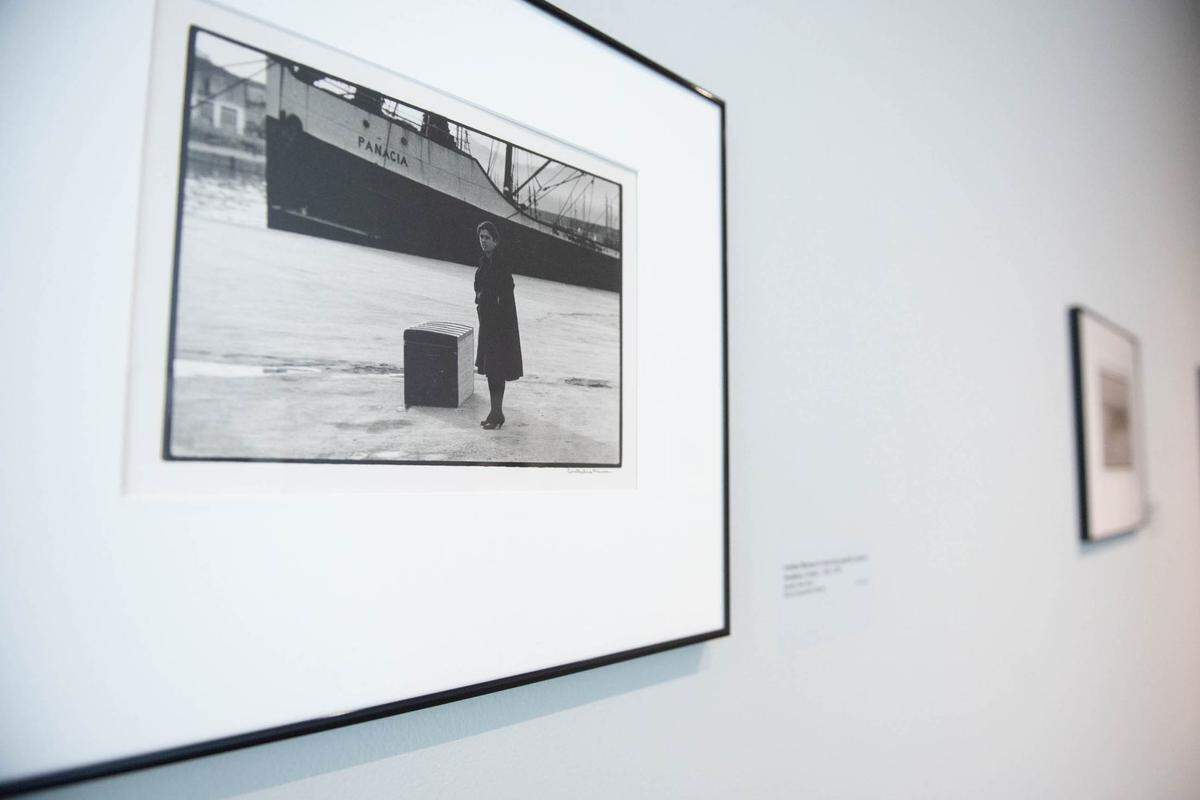
The Columbia Museum of Art recently held two exhibits dedicated to showcasing Manos’ work — one in 2023 and one in 2024.
Constantinides continued visiting his uncle in the years before he passed. Manos had a profound impact on his life, Constantinides said. He unknowingly challenged him to go to Harvard, leading Constantinides to become an attorney in Atlanta, Georgia.
Manos gave his nephew books he had in high school and installed in him and his other siblings a love of the arts and the importance of knowing where his family came from.
“He sort of always challenged us to be a little different — well, not to be afraid to be different,” Constantinides said. “You don’t have to do what was necessarily set out for you to do, but, you know, follow your own path and enjoy what you do.”
This story was originally published May 9, 2025 at 5:00 AM.