
Columbia recording studio & guitar pedal manufacturer expand into new home
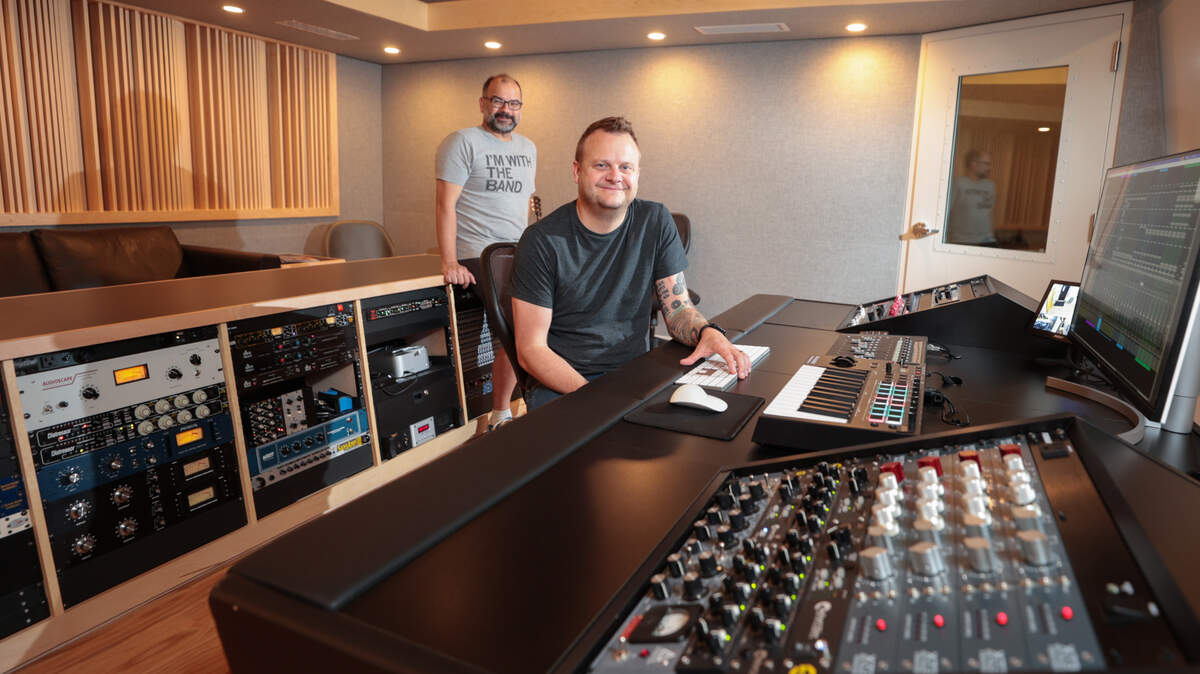
The first time Kenny McWilliams walked into a recording studio was in high school, when he watched his father make a record. It left a strong impression.
“I was just like, ‘This is so cool. This is what I want to do,” he said.
Later, his dad built a studio in a small metal building in the backyard of their house. McWilliams bought some equipment of his own and began recording in his father’s studio.
McWilliams eventually joined a band, Baumer, which toured nationally and signed with a record label. When the band broke up, he took the opportunity to start recording full-time out of his parents’ house. Eventually, McWilliams and his wife bought the house, and until recently, it was the home of Archer Avenue Studio, the recording company he started.
McWilliams was born in Columbia and moved around during his childhood before returning to the city for good in middle school. His connection to Columbia kept him from moving to other markets.
He could have moved to Atlanta to start a small recording operation with another person, but he decided against it. He didn’t want to lose the connections he had made over the years in Columbia.
“Here, I was becoming a big fish in a small pond,” McWilliams said. “People were getting to know me and my name and my brand and my studio. … If I moved to Atlanta, I would be a nobody in a huge pond.”
So he stayed home. Now, his business has moved into a much larger studio space on River Drive. And moving in with him is Phillipe Herndon and his Caroline Guitar Company, a local guitar pedal manufacturer that has sent Columbia-made equipment all over the country and world.
Sharing the building as River Drive Creative, McWilliams and Herndon hope to keep expanding their homegrown passion projects.
Stronger together
McWilliams and Herndon met awhile back at a concert by McWilliams’ old band Baumer. Herndon said that McWilliams was an early supporter of his pedal business.
“I think he liked that I was really listening and trying to figure out where this pedal could go,” McWilliams said. “And I loved the way that the pedals sounded.”
Fast forward to the COVID-19 pandemic, and the duo began looking for a building to move their businesses into, along with a third partner who ended up not coming with them to the River Drive location.
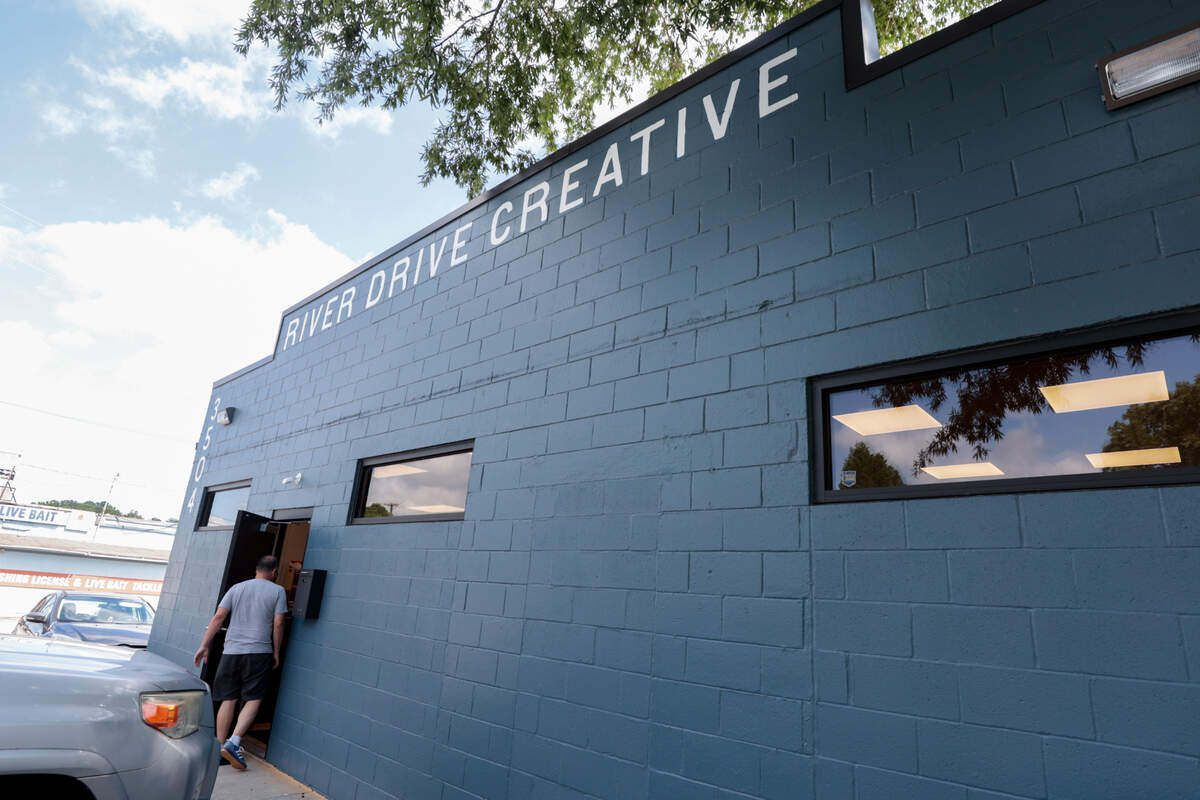
Their new space at 3504 River Drive required extensive renovations before they could use it.
“It was a total disaster,” McWilliams said. “It was in total disrepair, ugly, pink, roof kind of falling in, water on the ground.”
Studio Z, the smaller of McWilliams’ two recording spaces, took the place of a shed-like addition to the original building, which had large enough gaps in the walls for beams of sunlight to shine through.
Even though it was clear the building needed work, it came at a great price, McWilliams said. Included in the deal were a few neighboring lots – with a house sitting on one of them that one of Herndon’s employees now rents.
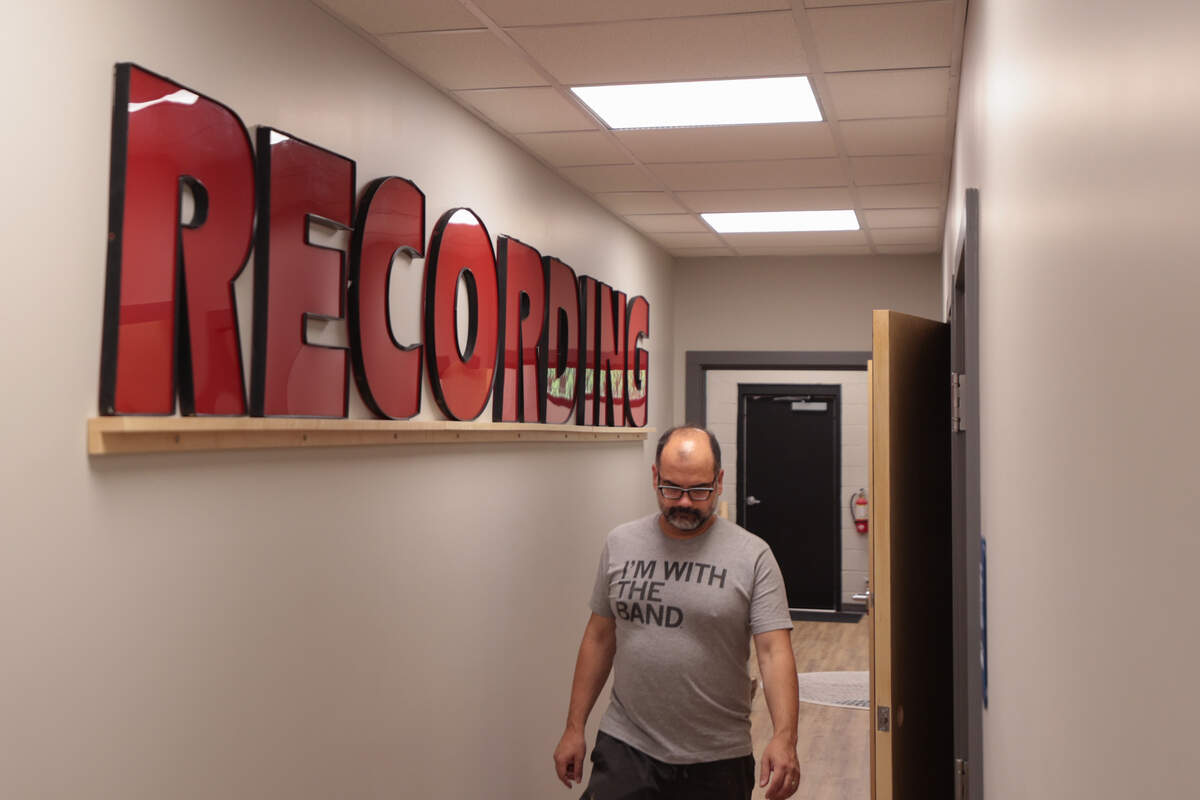
A lobby connects the two businesses and provides a space for recording artists to rest between takes. On the wall of a connected hallway, the word “RECORDING” is spelled out in massive, red letters. The letters were once outside of the closed Sam Ash music store in Charlotte.
Guitar pedal maker stretches out
Back in the ’90s and early 2000s, Herndon was a touring guitar player. In 2004, he and his wife moved from Virginia to Columbia, and he earned a degree in business from USC in 2009, “which was not a good time to do it,” he remarked.
His first guitar effects pedal, a device that changes the sound of the instrument when activated, was simply a proof-of-concept, made without a long-term plan in mind, he said.
“I thought, ‘OK, well, I’ll sell 50 of these and move on with my life. I’ll get a real job,” Herndon said. “And then people just asked for more.”
The company is now approaching 30,000 pedals sold across the world. His website lists high-profile customers like Andy Summers of The Police and Chris Cornell of Soundgarden.
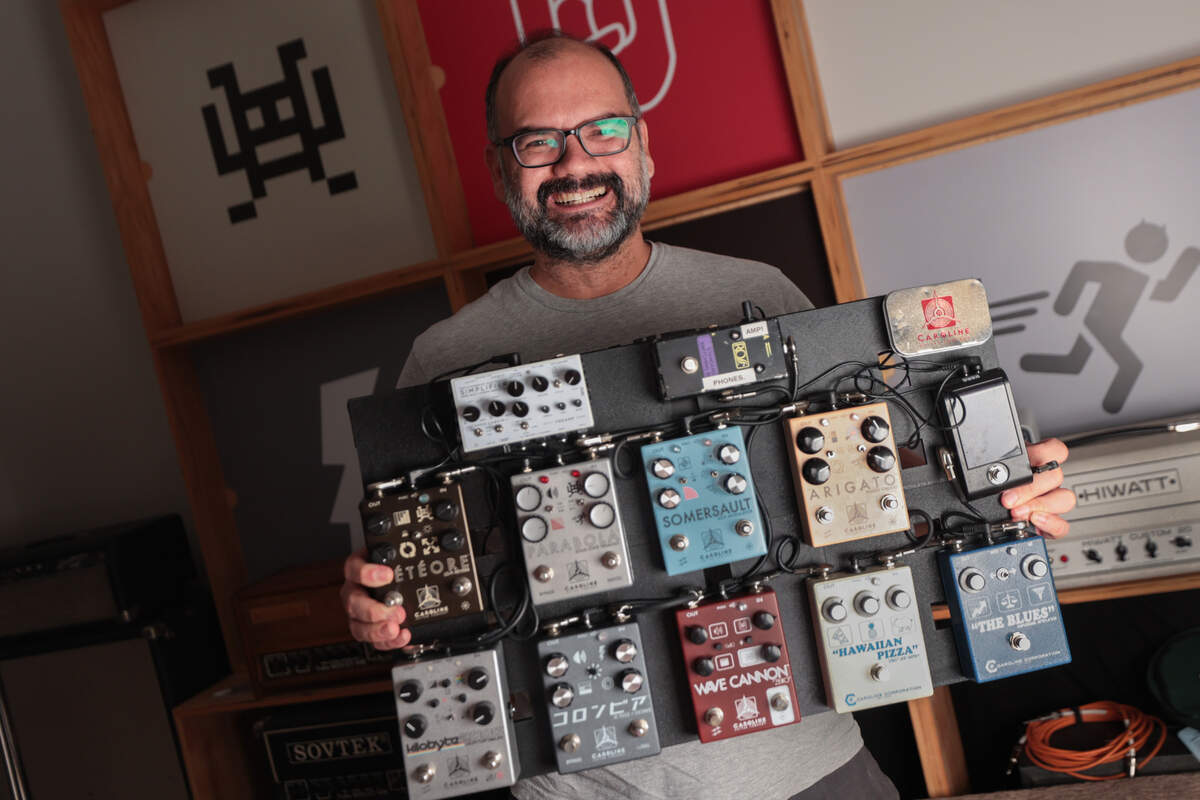
Herndon’s pedals are not perfect, but they are not supposed to be. His most popular products have a “lo-fi” sound, the result of an intentional reduction in quality.
“That’s kind of comforting for people to hear,” Herndon said. “Because it’s flawed, it feels real.”
Herndon described his typical customer as someone who “wears Atari T-shirts ironically and wears Atari T-shirts unironically.”
“There’s a section of Gen Z and young Millenial who, something like Atari as a brand is hilarious to them. … It’s like a distant thing from before they were born,” Herndon said. “But then there’s also a segment of people who remember that certain kind of 8-bit, sort of low-resolution sound, and they associate Atari as something throwbackish for them.”
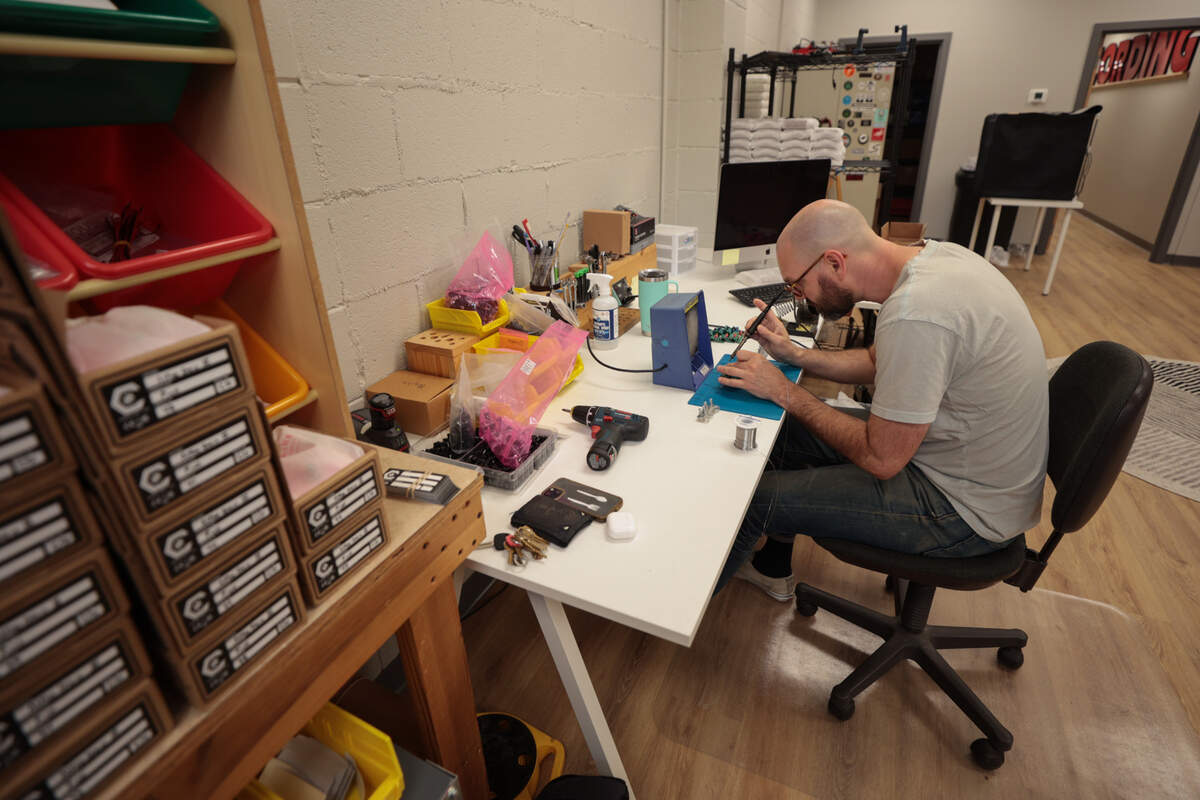
Before moving into River Drive Creative, Herndon operated out of the technology incubator on the corner of Laurel and Sumter streets, working with around 400 square feet of space.
“We couldn’t even have parts inventory; we couldn’t film content; we couldn’t do anything,” Herndon said. “We’re just stacked on top of each other.”
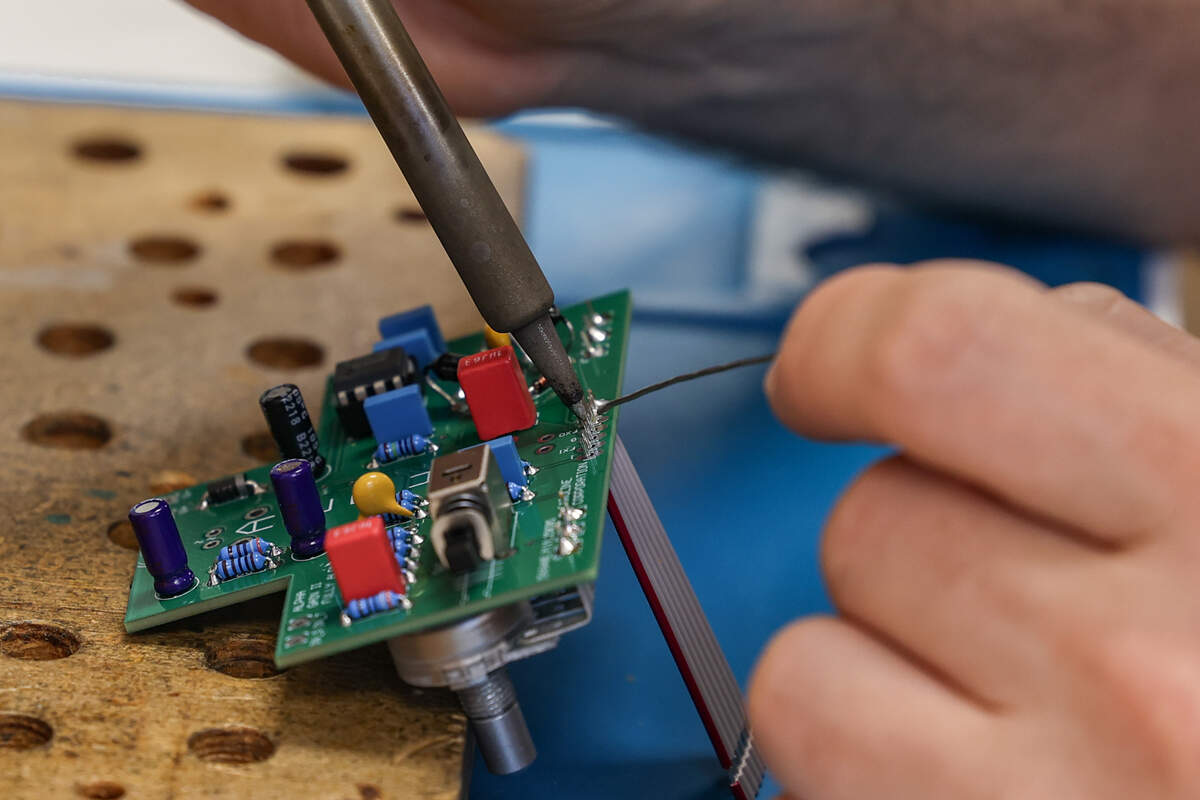
Caroline Guitar Company has three rooms. The largest is where pedals are manufactured and packed for shipping. Further into Herndon’s section of the building, there is a media room, where content is made for the company’s social media. The third room is where Herndon thinks of designs and tinkers with prototypes.
Used to working under more constraints, Herndon and his team are still wrapping their heads around the new, abundant space, he said.
Meticulously designed recording studios
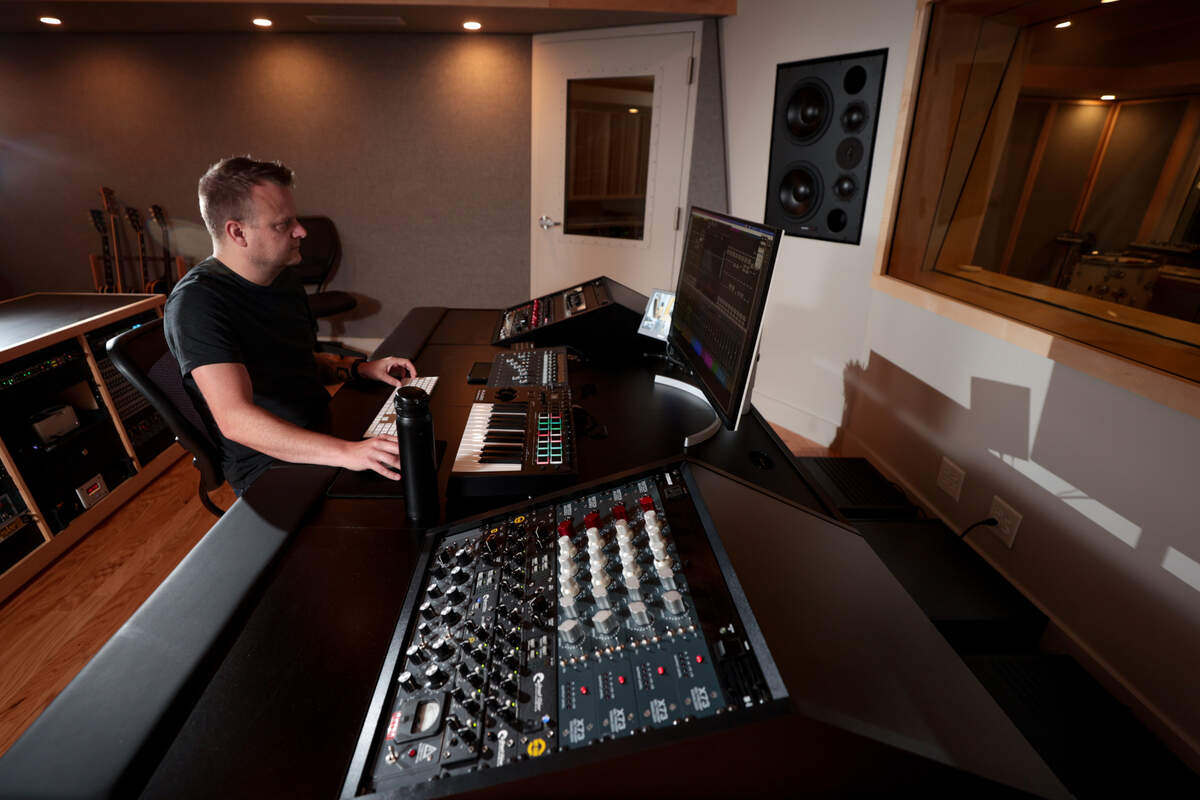
On McWilliams’ side of the building, he has two recording studios, one larger than the other. The studios were meticulously designed by North Carolina’s Wes Lachot, who designed part of McWilliams’ previous studio at his home.
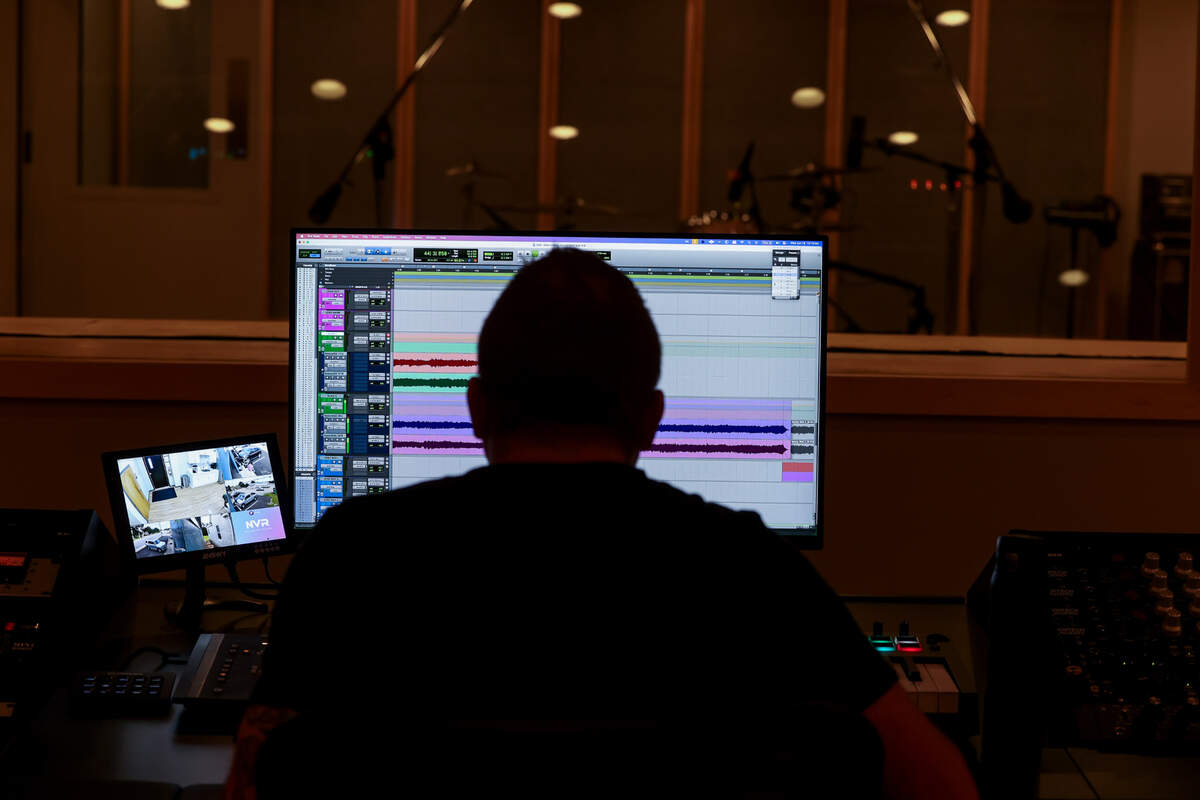
The studios have control rooms, where the engineer and producer sit, listen to artists and craft mixes. The live room is where a band would play, and sound isolation booths allow someone to be recorded at the same time as a band plays in the live room.
McWilliams said that the control room of Studio A, the larger studio, feels and sounds similar to his old location. But he now has large windows that give a clear view between every section of the studio.
One of McWilliams’ favorite sound design features is the diffuser on the back wall of the control room. The large, wooden structure with differently-angled panels helps adjust how sound moves through the control room.
“The idea is that the sound comes out of these huge speakers, hits that back wall, and instead of just bouncing back right at me, it gets diffused,” McWilliams said. “There’s a mathematical reason each of those boards is where it is.”
“Floating ceilings” hang from the actual studio ceilings and further regulate how sound reflects or escapes from the rooms.
“It’s literally floating,” McWilliams said. “If I could reach it, I could push it, and it would swing.”
The building’s electrical system was completely redone and made as quiet as possible – to avoid a buzzing light or air conditioning unit making its way into a recording.
What’s next?
McWilliams looks forward to continue training his team. Used to working alone, he now has an engineer and two interns.
“It’s always been just me by myself,” McWilliams said. “But longer term, I would really like to see more collaboration there. I would love to see a scenario where I’ve got two different bands in the two different studios, and I’m maybe producing both, and I’ve got an engineer running the sessions, and I’m bouncing back and forth and helping to keep the vision going.”
McWilliams also wants to add to his “horde of gear” to give musicians a variety of choices on instruments and microphones. Between McWilliams, his engineer and Caroline Guitar Company, River Drive Creative already has a wide selection of gear available.
For Herndon, the future may contain new types of products and a little more truth to his company’s name.
“I’m going to be blunt. We’ve been Caroline Guitar Company for 15 years, and we haven’t made a guitar,” Herndon said. “I intend to change that.”