Columbia moves forward with new rental restrictions after Airbnb shooting
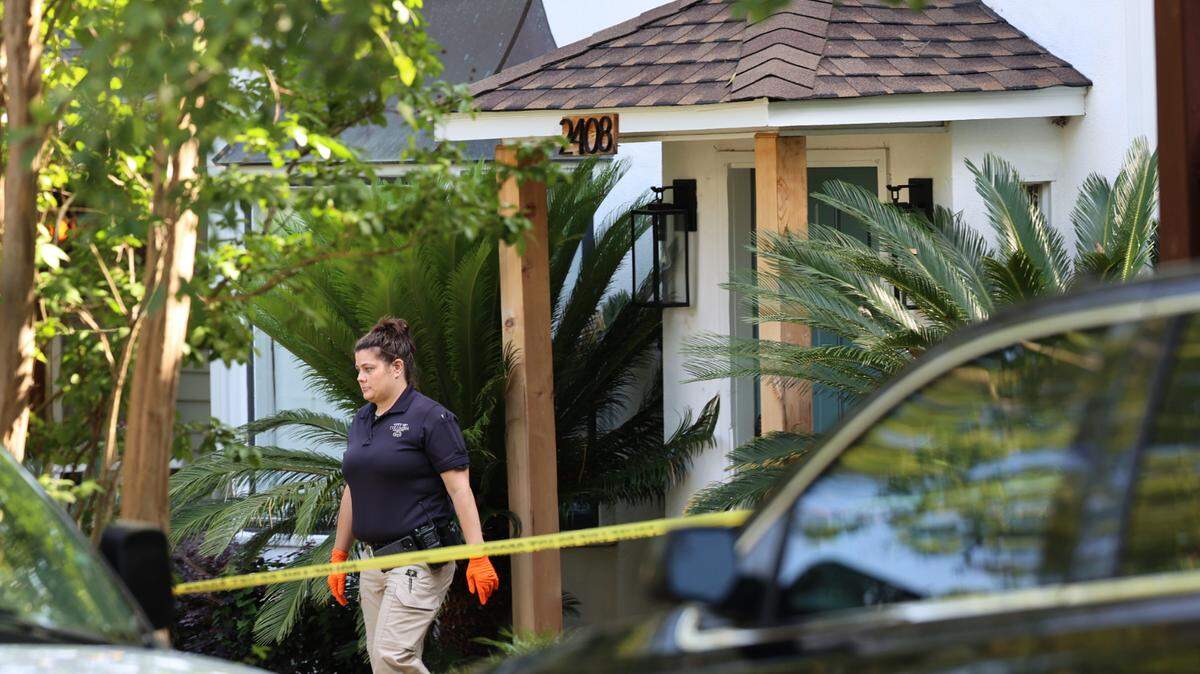
Nearly two months to the day after a deadly shooting at a Columbia Airbnb, the city of Columbia is moving forward with enhanced restrictions for short-term rentals.
Columbia City Council gave initial approval to the new rules Tuesday. The move follows a June 6 shooting in the Elmwood Park neighborhood that left one teenager dead and three others hospitalized. The issuance of new short-term rental permits by the city remains paused while leaders work on the new restrictions.
Council members said that before the final vote on Aug. 19, there are still issues to iron out. They want to further discuss how to force unregistered short-term properties to do so and how to increase the efficiency of the low-staffed Code Enforcement Division, which would be responsible for enforcing the tightened restrictions.
There are 149 suspected unregistered short-term rentals in the city, in addition to the 446 registered, according to Director of Code Enforcement David Hatcher. He said the division doesn’t have the necessary manpower to deal with the unregistered properties while also enforcing code violations at short-term rentals that are registered.
Mayor Daniel Rickenmann said there remains a need to “fill some of these [enforcement] gaps” heading into the fall season and the rentals that will come with it.”
The city also needs to improve its communication with rental platforms such as Airbnb, Councilman Peter Brown said, adding this will be necessary to enforce proposed rules such as increasing the minimum renting age from 18 to 25 and tightening restrictions on occupancy.
“I’d like to see us concentrate on the 149 non-compliant [short-term rentals], versus introducing a whole bunch of new rules that we’re going to get sidetracked trying to enforce on the people who are compliant,” said Brown, the only council member to vote against initial approval.
What could be next for short-term rentals?
The updated regulations, which remain the same as when the city council deferred voting on them last month, would increase both the minimum age to book a short-term rental and the minimum length of stay, which would go from one night to two nights.
The maximum occupancy remains two people for every available bedroom, but the proposed changes would make this rule apply to the entire day and clarify “occupancy” to mean the amount of people in the building at a given time, not the amount staying the night. This would apply even if a gathering is not violent or disruptive to the community, Senior Assistant City Attorney Jessica Kinnard said.
The changes would also introduce a requirement for hosts to screen the bookings of guests who live within 30 miles of the building. In which case, the hosts would then have to either cancel the booking or require additional proof that the guests are using the property for a “legitimate overnight stay” and not for hosting a party, the proposal reads.
Most of the properties that have had issues with large parties are occupied by guests who live within or near the city, Kinnard said.
The police chief or a designee would be able to immediately revoke a permit for “extreme infractions or major events” such as violence or illegal activity occurring at a short-term rental property. And each rental would be required to have a “responsible local representative” overseeing the property, with that person required to obtain a property manager license through the South Carolina Real Estate Commission, even if the rental is owner-occupied.
This representative or someone else would need to be reachable by neighbors to address issues that arise overnight and would be required to notify next door neighbors and any neighborhood association that the home is being used as a short-term rental and provide their phone number in case of incidents. The new rules would also stipulate that street spaces can no longer count toward the minimum two parking spaces required for each rental.
This isn’t the first time that short-term rentals have come under scrutiny in Columbia. After nearly banning them completely, the city passed an ordinance in 2023 that required owners to register the rental properties and obtain a permit for them.