Why some in Columbia cared so much about saving Hunter-Gatherer’s bricks & mural
It was, at least, an occasion for Aaron’s friends to make music together again.
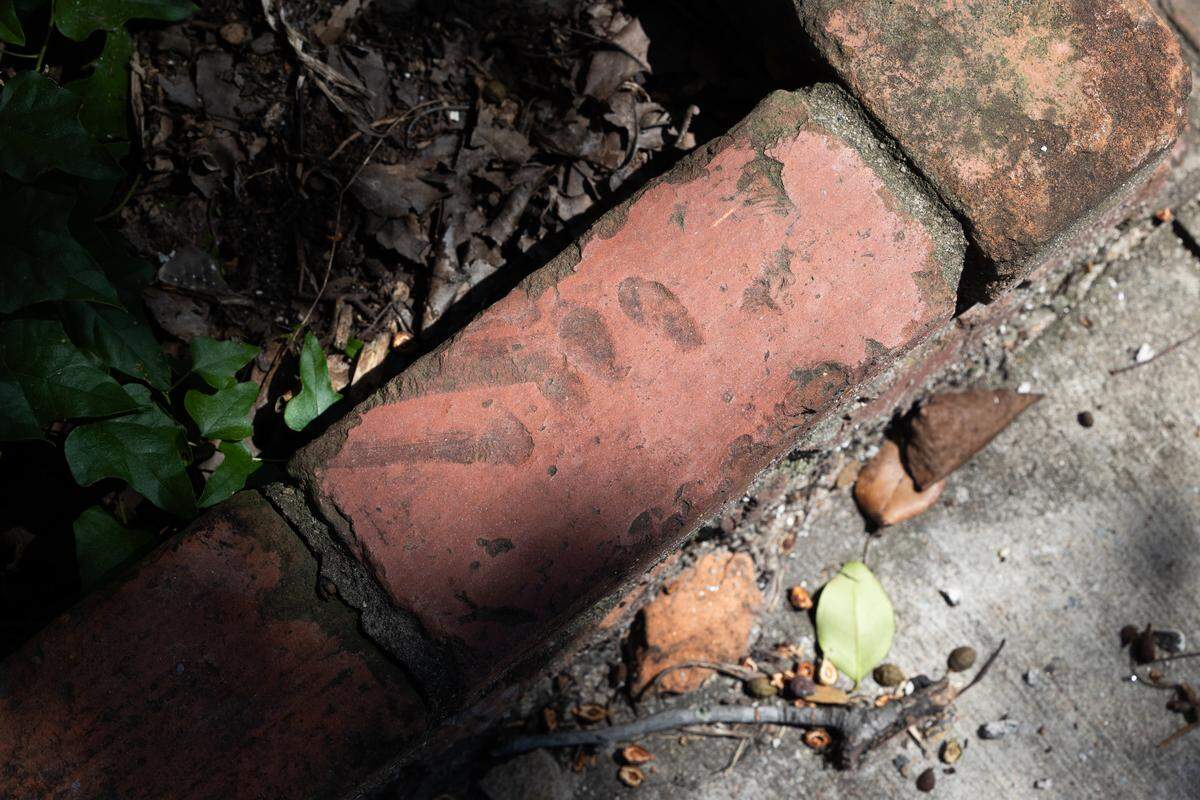
There were chisels, rap-tap-tapping against the ground. Bricks rasping as they scraped against each other. Feet shuffling and the pounding of hardened red clay. All of it forming a rhythm that, if you listened closely, felt like it could have been a love song.
The purpose of this performance was to preserve a mural painted several years before to honor Aaron Graves, who led the locally beloved indie rock band Those Lavender Whales and played a key role in building up Columbia’s local music scene before dying from a brain tumor in 2019.
The mural was painted on the side of what was up until recently the original Main Street location of Hunter-Gatherer Brewery and Alehouse, the brewpub that opened in 1995 and served as a founding cornerstone of a Columbia craft beer market that is now replete with options. The establishment grew to also become a beloved local music haunt and community gathering place.
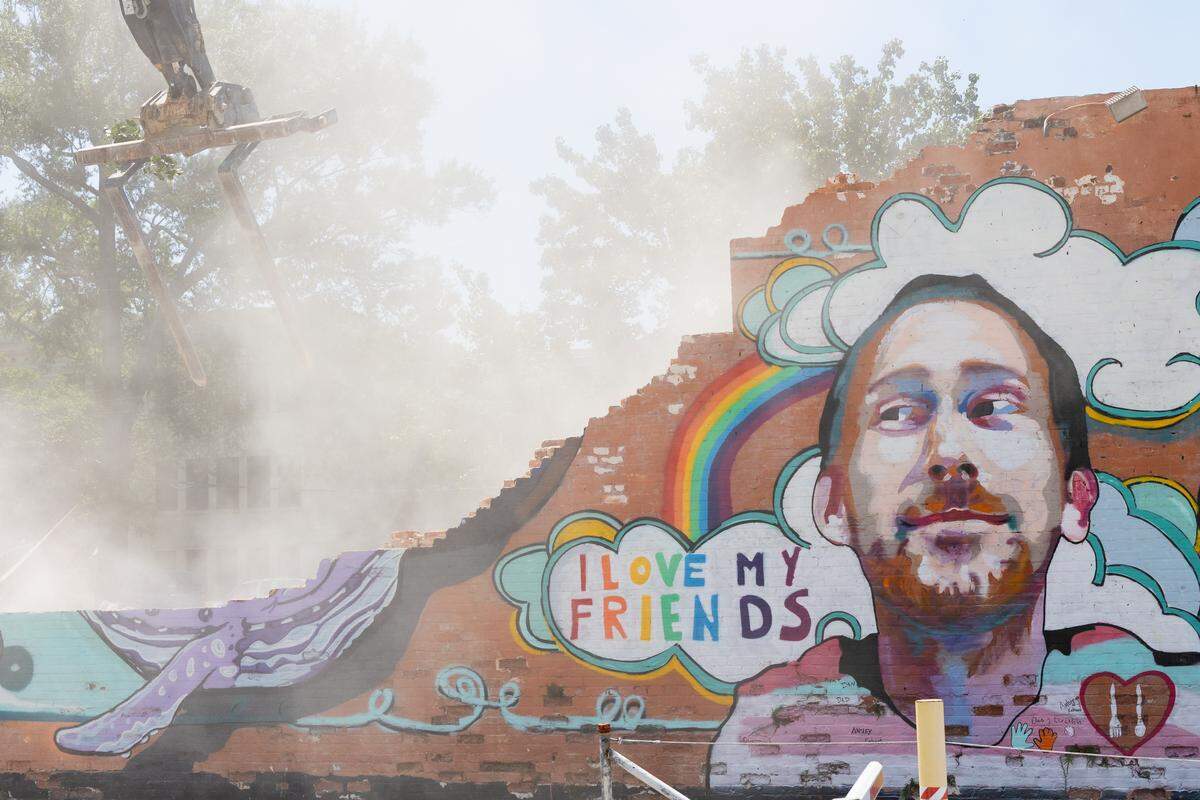
When it was announced that the building would be torn down to make way for the University of South Carolina’s vision for future growth along South Main Street, lovers of local arts and history, food and drink mourned.
Historic Columbia, a local nonprofit dedicated to historic preservation and education, tried but was not able to save the building. But it was at least able to get the USC Development Foundation to agree to a more measured demolition. Rather than just knocking the building down and bulldozing it away, historic salvage experts would take the time to carefully deconstruct the property. And the mural’s bricks would be salvaged in hopes of recreating it elsewhere.
About two dozen of Aaron’s friends took it as an opportunity to get together and honor him once again.
Spending a Saturday morning in late June sifting through the bricks that were once Hunter-Gatherer to save a mural painted as a memorial for a musician who more than once played inside, it felt like a suitable tribute — both for Aaron and the beloved establishment — his friends agreed.
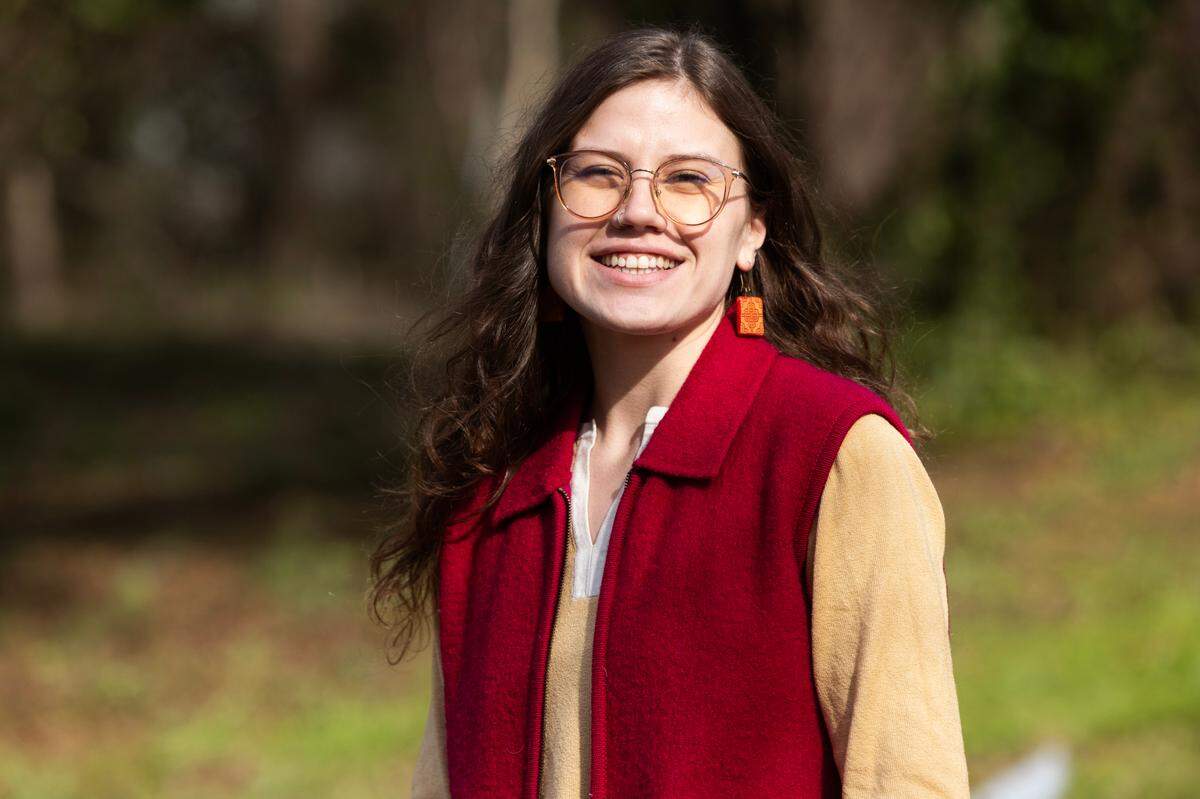
“To me it’s this opportunity to continue and grow a story as a symbol of community coming together,” said Lauren Andreau, the artist who painted the mural, adding that the effort is representative of Graves, a songwriter who sang often about how he just wanted to “see my friends grow.”
“[It’s] the idea of also getting to carry this basically, like, artifact from Hunter-Gather as a location to where people gathered as well to experience friends and family and love and community,” the artist said.
Preserving history
The brick building at 900 Main St. wore many faces in its lifetime. In 1913, the E.B. Lyon Motor Car Company christened the building as a site to sell the new-and-improved Hudson ‘37 motor vehicle — a decade after Henry Ford sold his first car.
A few years later it became a bank. Then there was a market, a cabinet shop, a barbershop – for one year in the 1950s, it was the Capital City Photo Copy Company.
But most people who love 900 Main St. today, loved it because for nearly three decades it was Hunter-Gatherer. Opened in 1995, Hunter-Gatherer was Columbia’s first micro-brewery and as a frequent location for local musicians to deliver performances steeped in DIY spirit. The brewery persists in the second location it opened in 2018 in a hangar near the Jim Hamilton - L.B. Owens Airport.
Within the building’s cozy, shadowy confines, famed local saxophonist Skipp Pearson for nearly 17 years hosted a weekly jazz workshop that seeded the talent pool local clubs still rely on. After dinner service ended, the bar’s late nights were frequently filled by earnest indie rock bands and rowdy metal and punk acts squeezing into a corner by the front window.
Those Lavender Whales played many shows at the venue, and when Graves got sick, the bar held fundraisers to help cover some of his medical costs.

Despite the building’s age, it was never registered for historic protections. And in late June, it was demolished. Hunter-Gatherer had already moved out of its original location by the end of 2024.
“This is really the last thing that any of us want to see, which is the erasing of a building from its original site,” said John Sherrer, Historic Columbia’s director of preservation.
While the building is gone, upwards of 90% of the materials used in its construction were saved during the effort, estimated Alan Todd, executive director of Conway Salvage. The hope is that the materials will be used for other historic preservation projects in the area.
Remembering Aaron
Such work to preserve and extend the culture of Columbia line up nicely with Graves’ legacy, as well, his friends confirmed. Fork and Spoon, the record label he co-founded, kindled community with efforts like its regular potluck dinners and pushed the local music scene to new heights by identifying ascendent talents such as young USC student Chaz Bear, whose Toro Y Moi project would grow from dorm room recordings into a cornerstone of indie music in the 2010s.
“I think one of Aaron’s super powers is to be able to put some energy out into the community that they then would spread out even further,” said Shige Kobayashi, who helped with the mural salvage operation. “So if these bricks that are being preserved by a preservation group are then able to be used in other projects, that feels exactly like his deal.”
Graves died in 2019, at the age of 33. But he left a legacy his friends and family describe as extraordinarily kind, gentle and welcoming to anyone in his vicinity.
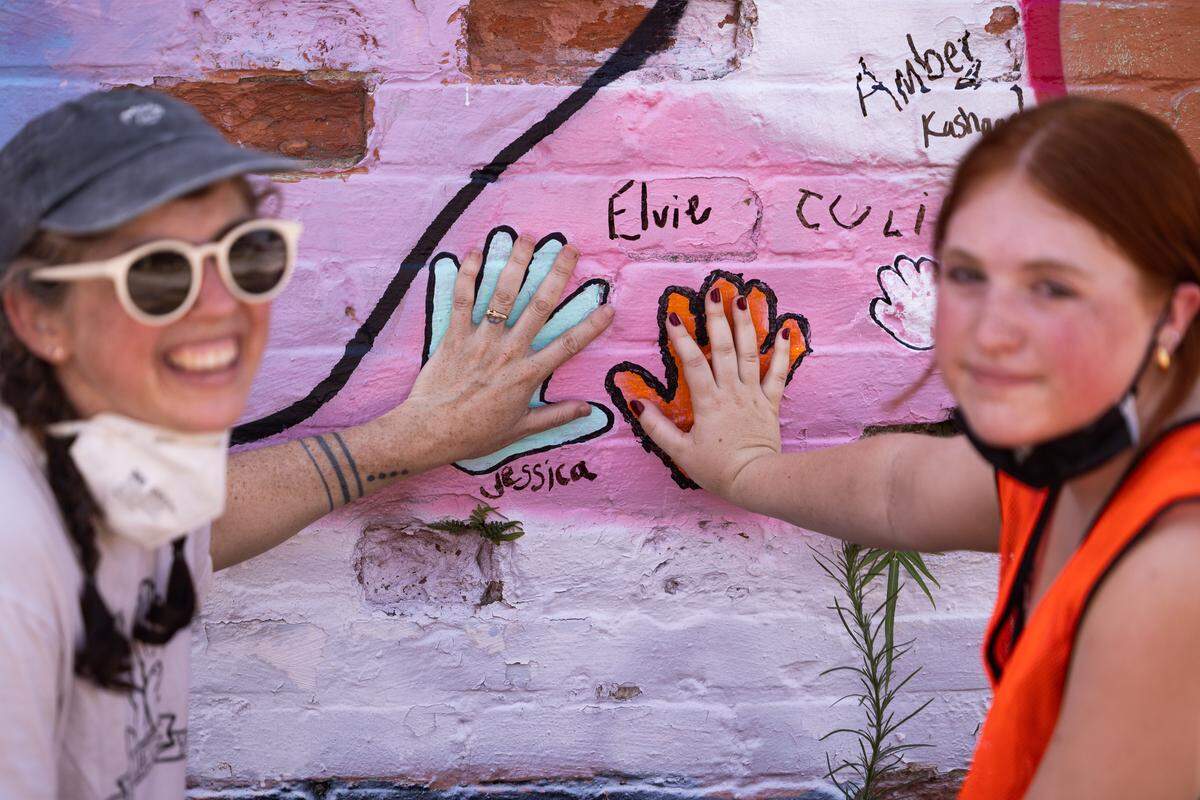
To honor that legacy, Andreu painted Graves’ smiling face on the side of Hunter-Gatherer’s century-old building and stuck him next to some of his favorite things – doughnuts, whales and his enduring love for his friends. For six years, the mural lived, so fittingly, on the side of one of the cherished halls of Columbia’s independent music scene. And soon the mural will have a chance to live again. (It is not yet clear where, or when, the mural will be rebuilt. Andreau said the hope is somewhere public so anyone can appreciate it.
“It’s kind of a sad reason to be here, but it’s beautiful that we got so many people out here,” said Tripp LaFrance, whose band Say Brother released music through Fork and Spoon. “That just kind of shows who he was.”
This story was originally published August 13, 2025 at 5:00 AM.