
Measles spreads in SC schools. What areas have the lowest vaccination rate?
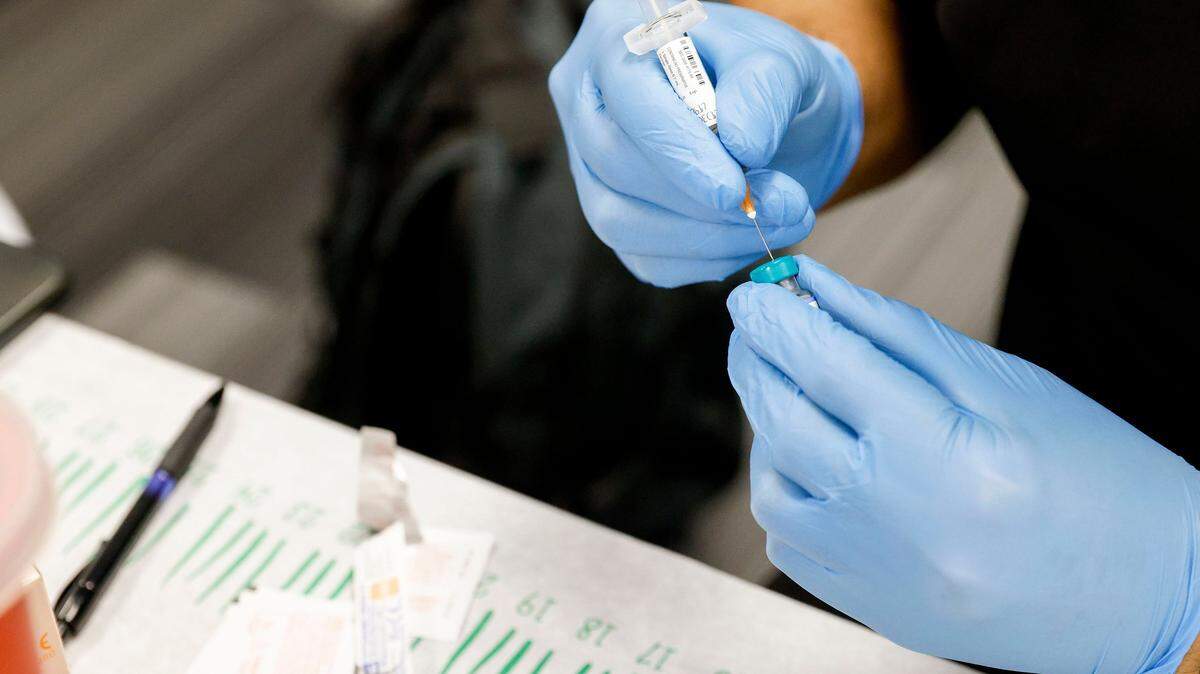
On Tuesday, the outbreak of measles in South Carolina’s Upstate was reported to have grown to 76 people, according to the state Department of Public Health.
Schools are at the center of the outbreak, and almost all of those infected are under the age of 18 and unvaccinated, according to the department of public health.
The disease, which until recently was considered to be eradicated in the United States, is highly contagious and spreads through coughing and sneezing. The MMR vaccine protects against measles, mumps and rubella. It is typically administered to children as part of a series of vaccines and is required in schools in South Carolina, with limited exceptions.
An analysis of school immunization data from the state department of health reveals vaccination rates are below the level needed for “herd immunity”, and there are significant divides between region and school type. Across the state, the rate of students with required immunizations has fallen from nearly 96% in 2020 to 93.5% in the 2025 school year, according to the department of public health.
That decline was most significant in the Upstate, where student immunization fell from more than 96% to under 93% of students vaccinated.
That’s a meaningful drop, because it brought the region under the threshold of 95% immunized that health department officials have said is needed for “herd immunity” against measles. The point at which enough of the population is vaccinated that it can stop the spread of a disease.
On average, public schools have a 93.7% immunization rate, while private schools have just 85.8% of students immunized in the 2024 to 2025 school year.
The data comes from the South Carolina Department of Public Health, which tracks the percentage of students in each school in the state who have received the required vaccinations to attend school. These include shots that protect against hepatitis, diphtheria, tetanus, whooping cough, mumps, measles, pneumonia and meningitis. Students are not required to be vaccinated against COVID-19.
The lower overall rate of immunization in private schools is driven partly by a handful of schools that have reported extremely low rates of immunization.
At Global Academy in Spartanburg, where students were identified as having measles, just 17% of students have the MMR vaccine, according to the department of public health.
The differences are also regional. The Upstate, where the current outbreak is located, has the lowest rate of immunization in schools with 90.9% of students having received vaccinations. The Pee Dee has the highest rate, with 93.1% of students being immunized.
Spartanburg, where the current measles outbreak is concentrated, has one of the lowest rates of vaccinations in schools. On average, Spartanburg schools recorded that 89% of their students had the required vaccines.
Global Academy, a Spartanburg-based charter school where several of the measles cases were identified, has a 17% vaccination rate.
The Upstate county also has one of the highest rates of religious exemptions for vaccines – in the 2022-23 school year nearly 6% of students in Spartanburg received religious exemptions from the vaccination requirement.
Private schools are more likely to have a lower vaccination rate. Of the 104 schools that have a less than 80% vaccination rate, 69 are private. Another seven are charter schools.
Many of the schools with the lowest vaccination rates are small, religious-aligned schools. Tshuwah Hebrew Academy in Jefferson reported that none of its 12 students were vaccinated in the 2024-25 school year. Berea Junior Academy, a K-7 school in Sumter with fewer than 10 students, reported that just 11% of its students were vaccinated.
In Richland County, the school with the lowest vaccination rate was Hope Christian Academy, which reported that 45% of its students were vaccinated.