
This SC city just found an extra $8 million. Here’s where, how the money will be spent
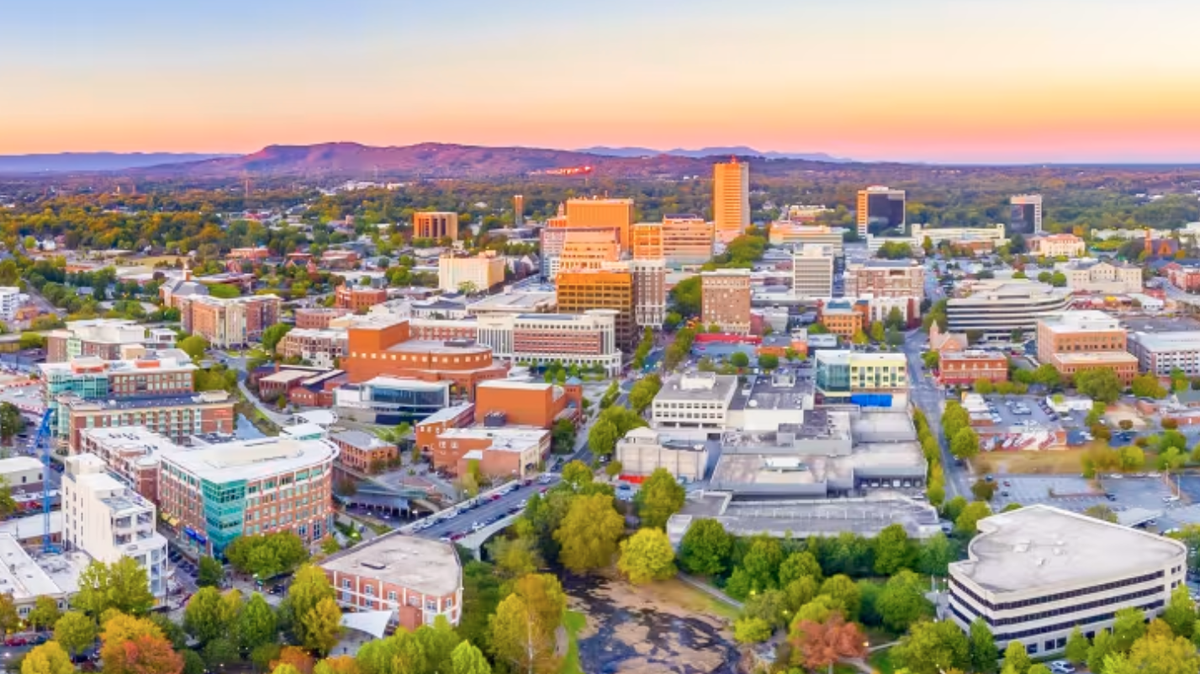
The City of Greenville’s recent audit came in with some good news.
$8 million worth.
Every city department was under budget.
“Receiving an unmodified audit opinion is a powerful affirmation of our commitment to transparency, accuracy and fiscal responsibility,” Shannon Lavrin, manager of the City of Greenville, said. “We are proud to demonstrate that the City of Greenville is not only financially sound but well-positioned for future growth.”
The extra cash was added to the city’s capital reserves, an account the city draws on for major capital projects such as land acquisition, construction or expansion of facilities, non-recurring repairs to facilities or grounds that cost more than $100,000 and have a useful life exceeding 10 years.
The money in the account also goes to planning, design or engineering related to capital improvements or other programs.
“By building up capital reserves, the City avoids having to take on additional debt, rely on pay-as-you-go financing or seek alternative funding sources,” the city said in a news release.
The City of Greenville has a capital improvement program budget of $25.9 million and a general fund budget of $291.2 million for FY2025-26.
The capital improvement fund comes from a number of sources including hospitality tax, stormwater fees and general fund reserves.
Priorities for 2026 include public safety, neighborhoods and affordable housing, recreation, open space, sustainability, transportation and economic development.
Among the plans for 2026 are buying more police body cameras, public safety cameras, and the renovation of public restrooms at Falls Park and the Peace Center. Also planned are new sidewalks, automatic traffic signal performance measures, and install additional monitoring cameras at intersections.
“For FY2026, City Council reaffirmed their $2.5 million annual commitment to affordable housing,” the city said on its website. “An additional $1.7 million in state and local accommodations tax will be leveraged for workforce housing initiatives, including land acquisition, developer incentives, and collaborations with organizations.”