
This SC church & school established by freed slaves outlasted Jim Crow, arson & now has $1M
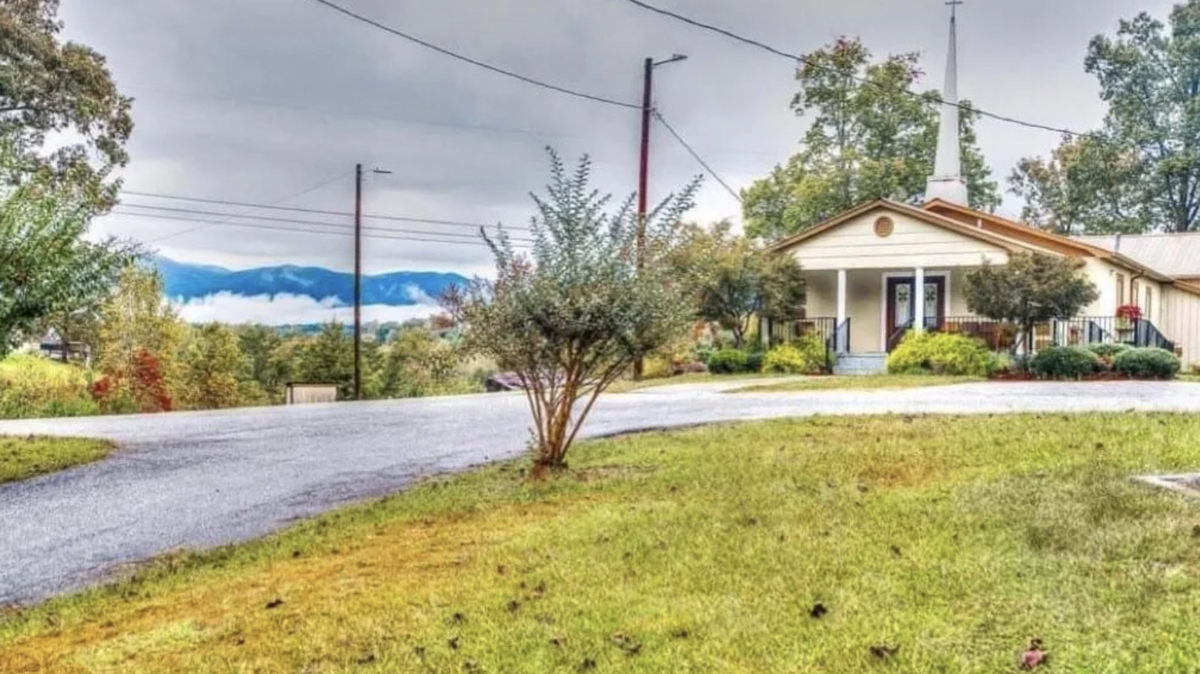
Over the past five years, a church and school started more than 100 years ago by formerly enslaved people have ticked off major accomplishments.
Soapstone Church, located in the western reaches of South Carolina, in 2020 under threat of losing the property when a developer wanted it and the bank called the mortgage, $50,000 was raised to pay it off. In 90 days.
In 2021 a conservation easement was placed on the property so it cannot be developed. The South Carolina Conservation Bank, the Upstate Land Conservation Fund, and Upstate Forever, helped establish the easement on the church, a one-room school, and the slave cemetery.
In 2022, Soapstone Preservation Endowment was established to ensure its health through the years. The endowment has now reached $1 million.
In 2024, Harper Construction renovated the one-room school house. And last year, it was furnished.
Next up for the Soapstone community is a Black history trail. They have asked Pickens County Council to provide signage for the property, which is just 3 miles off SC 11, the Cherokee Foothills National Scenic Byway.
The surroundings are stunning — Table Rock to the left, Caesars Head to the right, the mountains and land bridges forming the escarpment in between.
Clemson professor John M. Coggeshall, in his book Liberia, South Carolina: an African American Appalachian Community, said Native Americans lived in the area for tens of thousands of years before “Euro-Americans began settling the Upstate in the late 18th century.”
According to the 1860 Slave Census, over 4,000 enslaved African Americans lived in Pickens District (present-day Pickens and Oconee counties), he said.
“After 1865, these newly-freed slaves generally settled in the same areas where they had lived prior to freedom,” he wrote.
Formerly enslaved people were able to obtain land in the area by bartering work for their former enslavers.
Once Reconstruction was over and Jim Crow segregation set in, Blacks in the area were lynched and assaulted with the intention of making them fearful.
Soapstone Baptist Church and a vacant, black-owned family home were burned by arsonists in 1967. The land for the church was donated by Mable Owens Clarke’s maternal great-grandfather, Joseph McJunkin and was named for the soapstone hill the church was built on.
Funds were raised by selling vegetables and the church was rebuilt of cinder blocks, laid by the pastor, a stonemason, a year later.
Soapstone School House is located next to the church and was built in 1928. It closed when schools were desegregated but is still used for education of visitors and to tell the story of a church that lived on despite immense challenges.
“Because of a deathbed promise to her mother, Mable Owens Clarke (great-granddaughter of former slaves Katie Owens and Joseph McJunkin) does everything she can to keep the doors of the church open and the history of the community alive,” Coggeshall wrote.
For 22 years until 2021 she held a monthly fish fry to raise money for the church, attracting a thousand or more people every Saturday.
Services are still held weekly at 11 a.m. Sundays. And they are livestreams on the Soapstone Church Facebook page.