
What is the chance of getting measles in SC if you have the shot? Here’s what health officials say
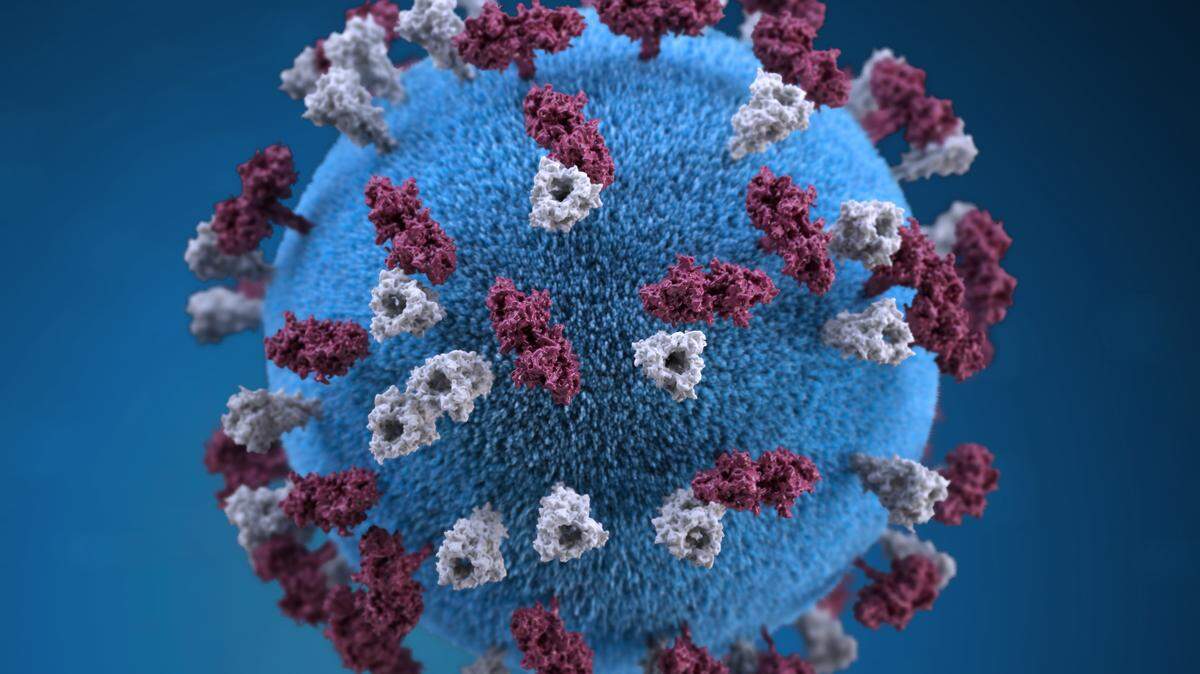
Through the months of the measles outbreak in South Carolina, health officials have had one consistent message — get the MMR vaccine.
Here’s why in a nutshell. About 93% of people vaccinated with one dose have permanent protection. It’s 97% for those who get two doses.
For those who get measles after vaccination, it’s generally because their immune system didn’t respond as well as it should, their immune system’s ability to fight the infection decreased over time; or they have prolonged, close contact with someone who has the virus.
But the thing to know is symptoms are generally milder in vaccinated people, and they are less likely to spread the disease, the Centers for Disease Control said.
“Measles is the most contagious virus known to humans,” the CDC said. “Each infected individual can potentially infect another 18 people, and they can each go on to infect another 18. This is why outbreaks can quickly go from 2 cases to 124 in just 1 month.”
Also, 90% of unvaccinated people who are exposed will get measles.
Many consider measles a simple childhood disease but health officials said it is nothing to scoff at.
“Even in a mild case, measles is a miserable disease with high fever, sensitivity to light (photophobia), dehydration, cough, pneumonia (1 in 20), and rash,” the CDC said. “Measles can result in seizures, deafness, blindness, permanent lung damage, and immune amnesia (wiping out of prior immune protection). Measles can weaken the immune system and the central nervous system, leading to serious disease and even death years after measles infection. Estimates show that 1-3 out of 1,000 children with measles will die.”
Also, there is no antiviral medication to treat measles.
There are side effects from the vaccine, generally mild, and may include soreness, redness, or swelling where the vaccine was given, fever, mild rash and temporary pain and stiffness in the joints.