As SC ages, Columbia’s homeless shelter builds new senior apartments amid shortage
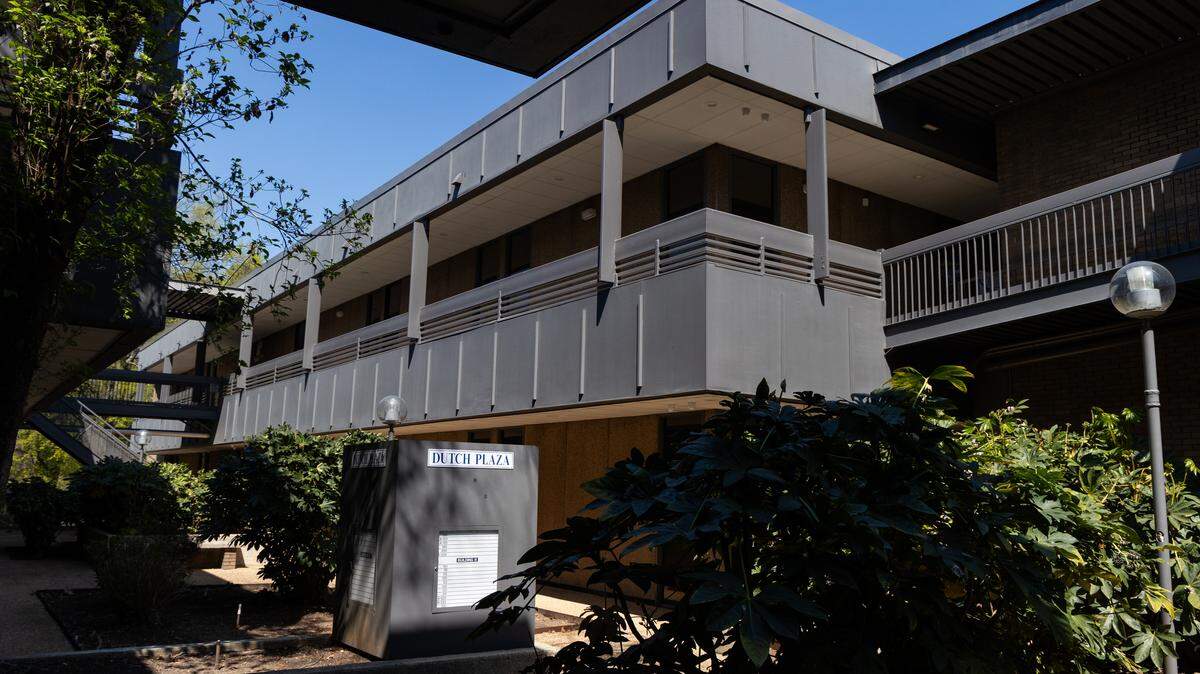
Missing ceiling tiles expose aging ductwork, a dingy carpet collects dust and debris. Once, this was a busy call center. It has sat empty for years, since remote work took off. Across the complex, an identical building tells a different story. It has the same bones, but rebuilt into something local leaders say is desperately lacking in Columbia: affordable apartments for seniors with disabilities.
The leaders of Columbia’s Transitions Homeless Shelter built the apartments after watching their elderly patrons struggle to find homes they could afford, and also easily get around.
“It is very difficult to find disabled housing,” that’s compliant with the Americans with Disabilities Act, said Transitions CEO Craig Currey.
Certain housing vouchers, like those for disabled veterans, require that compliance. That can often mean even if a person has a housing voucher, they may not be able to find a home that meets all the rules.
“If we have someone with [that voucher] and if we find them an apartment but it has a tub with a lip, they will not approve it,” said Transitions’ Vice President of Advancement Gavin Brown. “It’s not even just [is] housing available, it’s, is it appropriate for the person’s needs?”
So in 2022, they purchased an office complex across the street from the Dutch Square Mall and decided to turn it into apartments, dubbed Monarch Manor. If they couldn’t find housing for their senior clients, they would build it.
The first 11 units are done and occupied. But this is not transitional housing, Currey stressed. It’s permanent, independent living. The group is planning to build a total of 44 units, with the next 11 scheduled to begin construction in coming months.
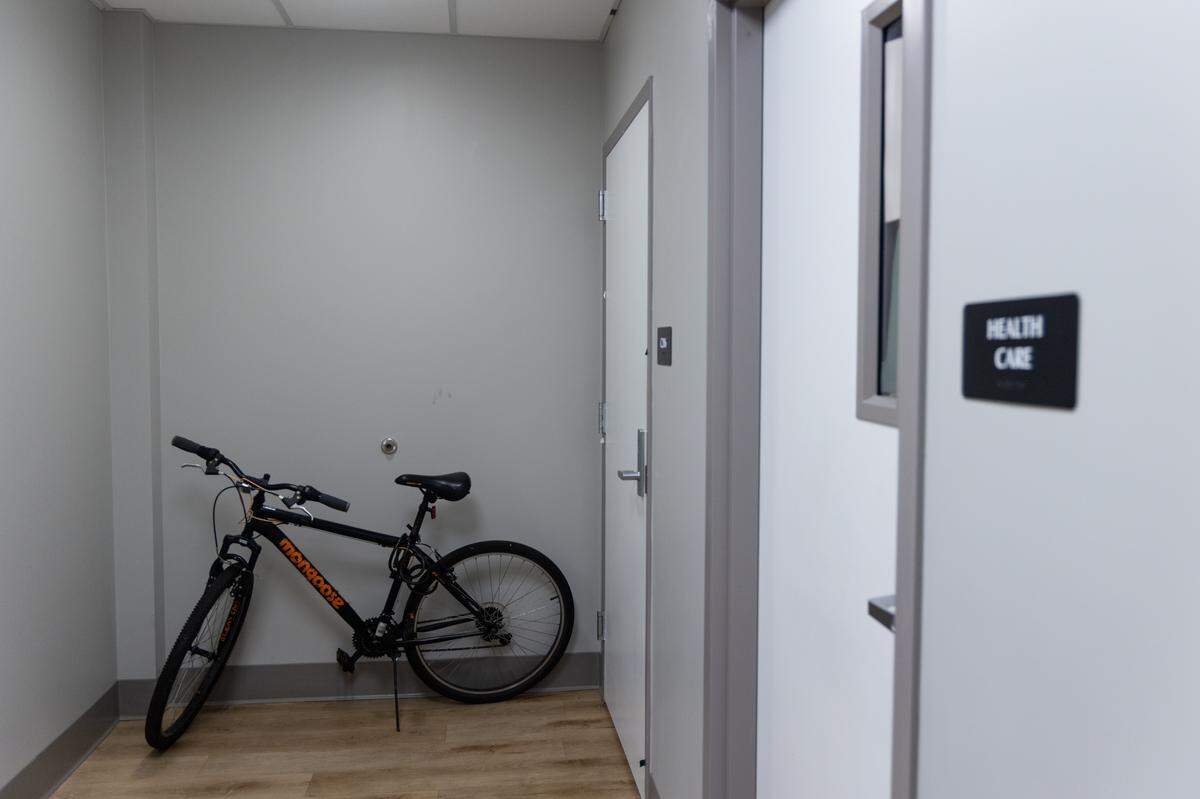
Residents get a renovated, ADA-compliant apartment, with wide hallways and accessible bathrooms, plus on-site laundry and an activity space. Transitions staff are on site regularly, and they have plans to add a nurse’s station. Leaders also pointed to a new bus stop nearby to help residents reach groceries and appointments.
“This is a matter of getting people off the street and building more places that will last for decades,” Currey said.
Apartments come online as number of seniors increase
South Carolina is aging. Seniors made up 18.7% of the state’s population in the 2020 census, the 10th highest in the country. By 2030, the number of seniors in the state is expected to double in size, according to the state’s Department on Aging.
At the same time, the cost of living for a senior on a fixed income continues to rise.
For a South Carolinian whose sole income comes from the government-assistance SSI program, they would have to pay 122% of their monthly income for a 1-bedroom, market-rate apartment, according to the South Carolina Interagency Council on Homelessness’ 2025 report.
Housing experts typically consider a household ‘rent burdened’ when rent tops 30% of income, far below what the report estimates an SSI recipient would need to pay.
“A lot of our population at Transitions has grown older, more disabled,” Currey said.
At the Transitions homeless shelter in downtown Columbia, more than half of their clients in 2025 were over 45 years old, and 11% were over 65, according to the organization’s annual report.
In the same year, 30% of all the shelter’s clients had a physical disability, and 17% had a developmental disability, according to Transitions’ data.
Right now, all 11 units built on the upper floor of one of the office buildings are full and paid for with help from VA housing vouchers for people with disabilities. The next units will have their rents capped.
What’s the cost?
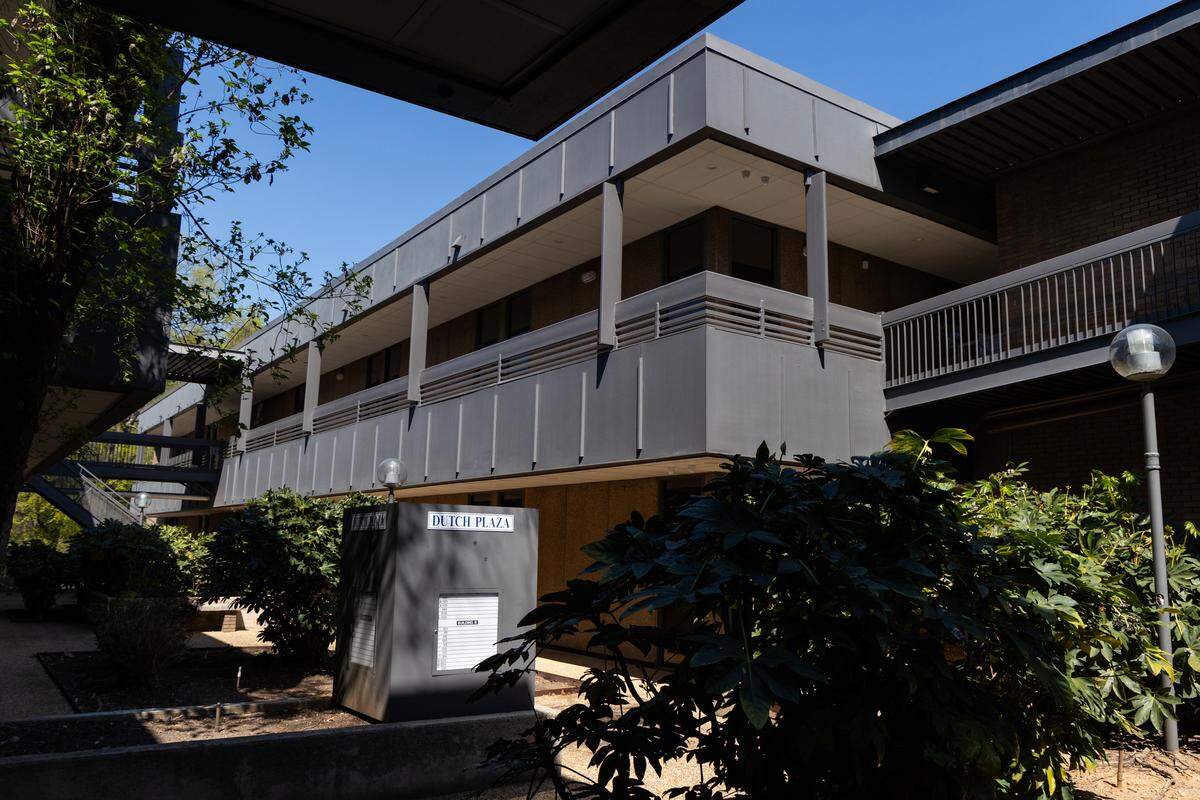
A lush, landscaped courtyard connects the four identical office buildings, one which used to be a Department of Transportation office, and another that was a call center that went remote several years ago.
The work includes gutting the buildings one floor at a time, and then building out studio apartments that meet the laundry list of requirements laid out in the Americans with Disabilities Act. Meeting those requirements has made the project more expensive than a typical apartment project, Currey added.
Transitions purchased the entire campus in 2022 for $2.2 million through its nonprofit Midlands Housing Alliance, Inc. The organization raised $1.8 million for the project, and financed the rest through a loan from Optus Bank.
The next 11 units will be paid for through a roughly $3.2 million forgivable loan from the South Carolina Housing Trust Fund, which requires the units to remain affordable else the loan would have to be repaid.
Transitions plans to apply for more Housing Trust Fund dollars to pay for the final 22 units, which would cover the bottom floors of the two back office buildings on the site. The organization will request roughly $4 million for that work.
The project is seeing the back two buildings of the four building complex redeveloped into the apartments. The front two buildings are being listed for sale or lease, which Currey said will help the organization pay down debt taken out for the project.
The commercial real estate firm Colliers is advertising the remaining buildings as “well-suited for either residential conversion or office use.”
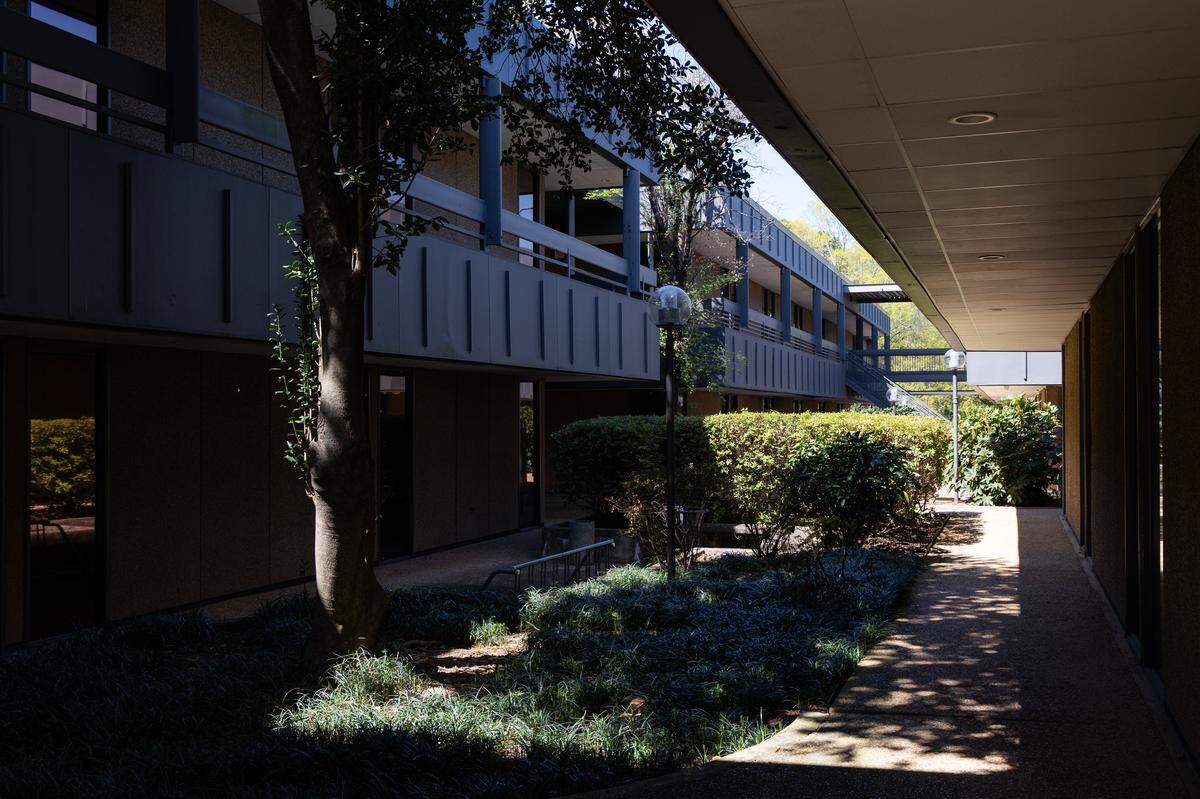
The 80,000 square foot complex sits on nearly 7 acres and includes a vast parking lot next door to an AllSouth Federal Credit Union.
For now, the lights are on in just one renovated corner of the campus. Currey said the nonprofit’s goal is to keep converting the vacant floors of the back two buildings into permanent, ADA-compliant housing for seniors.
“We want every floor done,” he said. “Every floor that gets done, that’s 11 more permanent units.”