
SC lawmakers override McMaster’s veto to keep college athlete pay secret
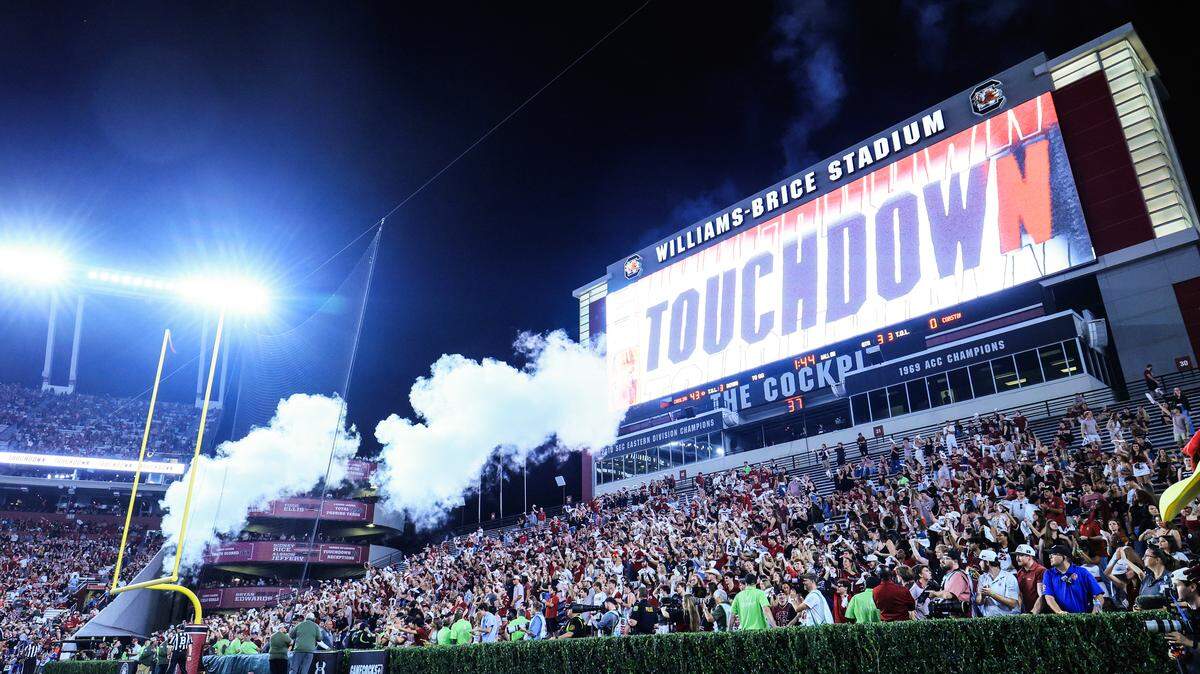
South Carolina’s legislature overrode Gov. Henry McMaster’s veto of a bill shielding NIL revenue-sharing contracts between public universities and student athletes from open records laws. The new law means the public won’t know how much schools like the University of South Carolina and Clemson pay individual athletes — or how much goes to specific sports.
Here are key takeaways:
• The state Senate voted 30-12 and the House voted 88-22 to override McMaster’s veto, clearing the supermajority needed in both chambers. The bill will now become law without the governor’s approval.
• McMaster said he would have signed a bill keeping individual athlete contracts secret but wanted the public to see how much universities spend on each sport “as an aggregate number.” He called the sports-specific secrecy provision a step too far.
• Schools can spend up to $20.5 million in the 2025-26 school year on revenue-sharing payments under the NCAA settlement. That’s on top of millions more from private organizations and booster clubs.
• The bill briefly stalled in the state Senate after lawmakers worried “public funds” were used on revenue-sharing contracts. Athletic directors from USC, Clemson and Coastal Carolina testified that no state-appropriated dollars or tuition funds were used to pay athletes. USC’s athletics received nearly $42.6 million and Clemson’s received about $20.2 million in “direct institutional support” from their universities in fiscal year 2025.
• The bill moved fast after open-records advocate Frank Heindel filed a lawsuit last September seeking USC’s revenue-sharing payment records. That case was put on hold by Judge Daniel Coble of Richland County at the request of the General Assembly and USC.
• A separate proposed budget item from Sen. Tom Young, R-Aiken, would ban state-appropriated dollars and tuition revenue from funding any revenue-sharing or NIL contracts. A preliminary panel agreed to include it, but the full Senate and House still need to approve it.
The summary points above were compiled with the help of AI tools and edited by journalists. The source reporting referenced above was written and edited entirely by journalists.