
Bears are back in SC yards: How Upstate homeowners can keep dogs and livestock safe
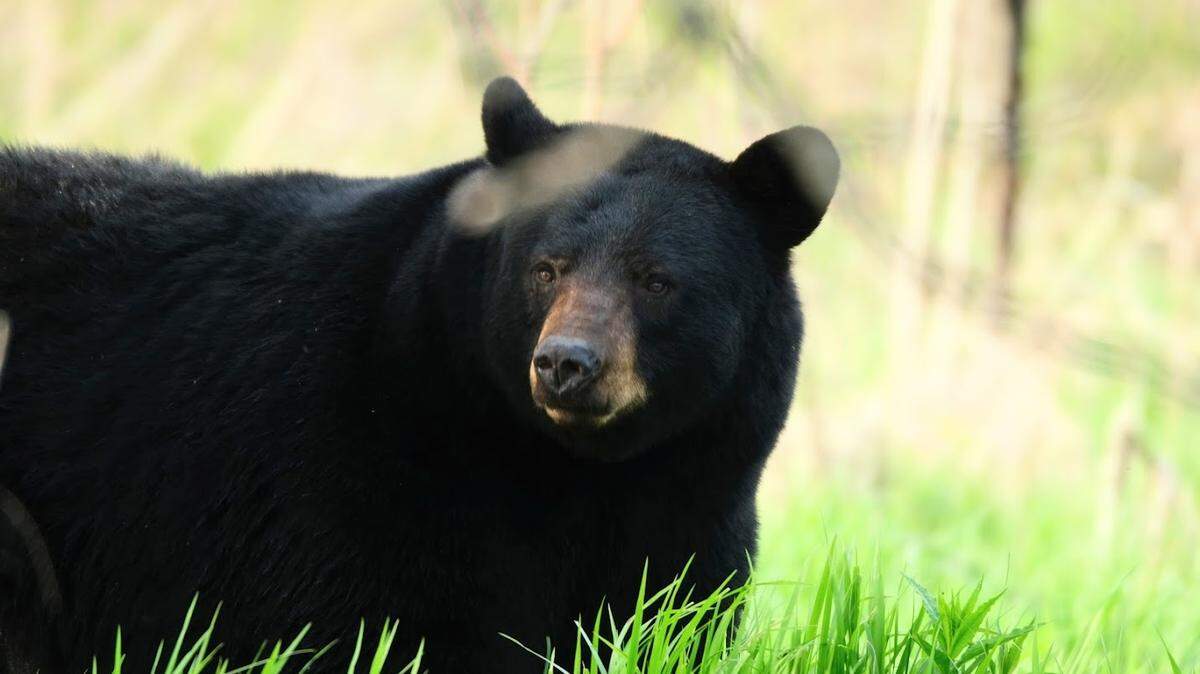
If you own property near the woods in the Upstate — or anywhere bears roam in South Carolina — the time to think about a bear encounter is before one shows up at the back door.
Black bears are most concentrated in the Upstate mountain region and the lower coastal plains, according to state wildlife officials. For homeowners with chickens, goats, beehives or a dog that spends time in the yard, that proximity is a practical concern, not a hypothetical one.
Consider what happened to a Pickens woman some years ago: a bear came into her yard and carried off her miniature schnauzer. The dog survived and is still fine today. Others have not been so lucky. Wildlife data shows about half of bear-dog encounters end with the dog or the owner injured, and sometimes killed.
South Carolina has never recorded a human fatality from a bear attack. But the risk to pets and livestock is real, and most of it is preventable.
Keep the dog on a leash
The single most important piece of advice from experts: leash your dog.
“A much higher percentage of dogs that get into confrontations with bears are seriously injured or killed when dogs are off leash,” BearWise says. “The people who try to rescue a dog are also more seriously injured.”
BearWise, developed by state agency bear biologists, is now a program of the Association of Fish and Wildlife Agencies.
Biologists stress that black bears are not naturally confrontational or aggressive. They’re foraging — looking for berries, fish or, failing that, whatever they can find in your trash. But a bear that feels cornered will defend itself, and a sow will protect her cubs without hesitation.
Dogs bark. Bears interpret barking as a threat. And bears can run short distances at speeds biologists compare to an Olympic sprinter.
“Dog vs. bear seldom ends well for the dog,” BearWise said. “If you are very unlucky, the dog will realize it has picked a fight it can’t win, turn tail and run back to you. If the bear gives chase, you and the dog become one big problem. The bear needs to be neutralized so it can feel safe again.”
That last phrase — “the bear needs to be neutralized” — is the part rural property owners should sit with. An encounter that escalates does not just endanger your dog. It often ends with a bear being killed.
What’s pulling bears onto your property
Most bear problems on private property start with attractants the homeowner can control. The South Carolina Department of Natural Resources says bears will come into your yard when they find easy access to:
- Garbage cans
- Bird feeders
- Pet food left outside
- Barbecue grills and smokers
- Pets and small livestock such as goats, rabbits, pigs and chickens
- Livestock feed
- Compost piles
- Beehives
- Fruit and nut trees and bushes
If you keep chickens or small livestock, the feed is often the bigger draw than the animals themselves. Store it in sealed metal containers inside a secured outbuilding. A plastic bin on the porch will not stop a bear.
Coops and pens should be sturdy. Electric fencing is one of the more effective deterrents for protecting chickens, beehives and small livestock from bears, and many rural property owners in bear country use it as a first line of defense.
Take bird feeders down during the warmer months when bears are most active. Bring grills inside or clean them thoroughly after each use — grease and residue carry a long way on a humid Midlands or Upstate evening. Keep garbage in a secured structure until the morning of pickup, not the night before.
Pet food should never be left outside overnight. The same goes for bowls used to feed barn cats or working dogs.
If you encounter a bear while walking your dog
BearWise recommends keeping your dog leashed at all times in bear country, especially on trails or wooded property lines. If you see a bear:
- Do not let the dog approach or chase it.
- Stay calm. Do not run.
- Back away slowly, keeping the dog close and under control.
- Make yourself look larger and speak in a firm, low voice.
- Give the bear a clear path to leave.
The goal is to let the bear move on. A bear that does not feel cornered will almost always choose to leave.
For weekend-property owners who only visit occasionally, a walk-around when you arrive is worth the time. Look for overturned trash, damaged bird feeders, scat or claw marks on outbuildings. Those signs mean a bear has been working your property — and that it will probably be back.
The most effective bear management on private land is not reactive. It is the steady, unglamorous work of removing what draws bears in before they ever learn your address is worth the trip.
This report was produced with the assistance of a proprietary tool powered by artificial intelligence and using our own originally reported, written and published content. It was reviewed and edited by our journalists.