
Cameras. Horses. Drones. Columbia police demonstrate latest crime-fighting tactics
.jpeg "Officers Hugh China and Michael Grogan (left) ride the city’s police horses, Dannyboy and Biggen, through Finlay Park.")
An inside look at Columbia Police Department’s Real-Time Crime Center Tuesday revealed how new programs and technologies — from ShotSpotter gunfire detection to hundreds of city-owned cameras — are reshaping investigations and uncovering statistics that might have gone unnoticed.
“The way technology is going these days, we had to do something to try and keep up,” Officer Arthur Rease with the Special Operations Bureau said.
Here’s a look at the programs and innovations the department showcased during Tuesday’s media day, which included demonstrations at the downtown Real-Time Crime Center and at Finlay Park, a location receiving heightened attention after fights disrupted the city’s Juneteenth celebration.
“Stand for Violence Prevention”
By midday at Finlay Park, the splash pad was full. Over a dozen police officers tried to keep out of the heat as kids ran around in their bathing suits and families picnicked under the shaded trees. A group of 12 children paraded through the media tents, eating popsicles and wearing bright orange shirts — “Stand for Violence Prevention” written across the back.
The children, all under 11, swarmed one officer in particular, Lt. Vandell McCary. To them, his name is “Coach.”
McCary, who helps to run the Police Activities League (PAL) program, said it creates an opportunity to educate children and make them feel more comfortable with police.
“Without that guidance and supervision, we don’t want them to go on the wrong side of the track,” McCary said. “It starts at this age right here.”
The children rattle off their favorite parts of the summer camp — the pool, dodgeball, Coach McCary. A third-grader offers a different answer, saying the program “teaches us to follow the right path.”
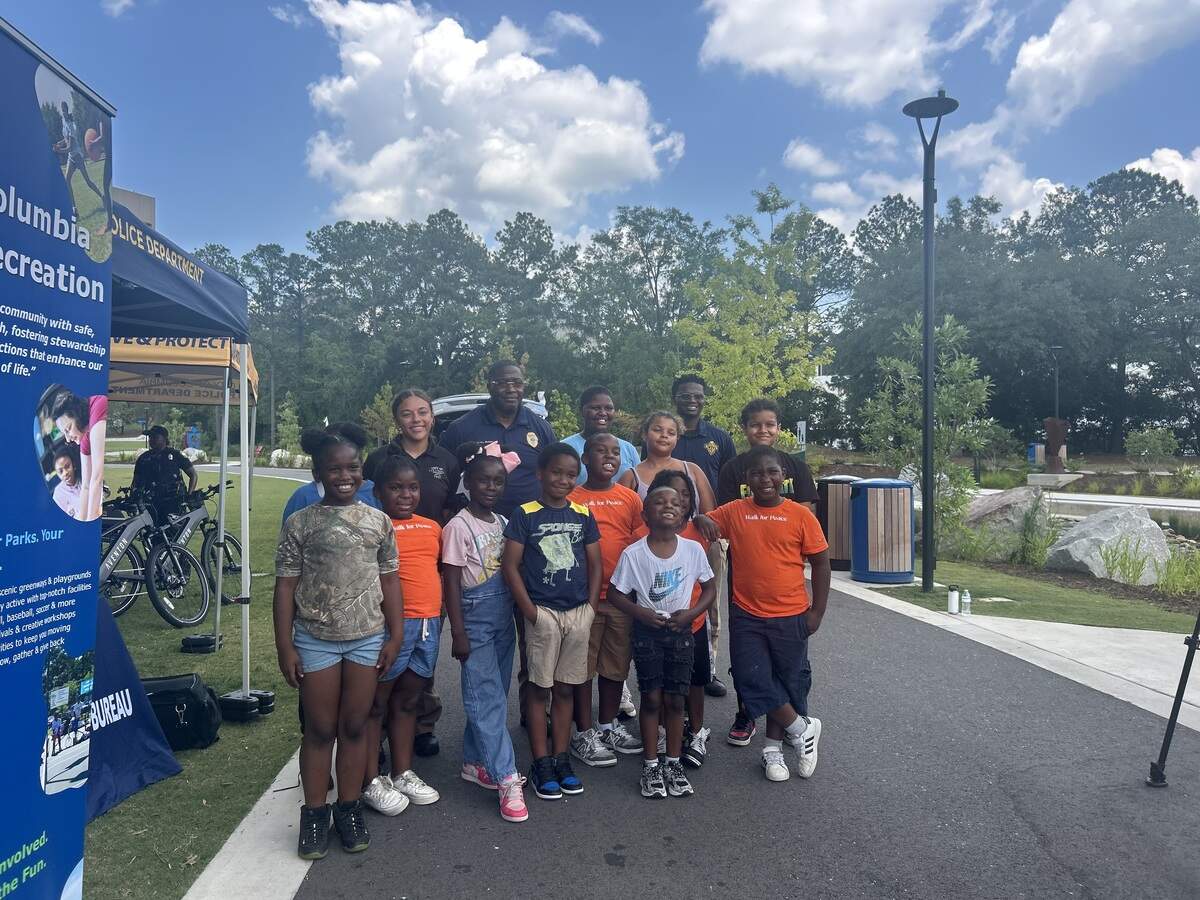
Officials said a permanent police presence at Finlay Park adds another layer of safety, introducing Jaliscia Williams as the park’s dedicated officer. The move comes as the Columbia Parks and Recreation Department expands its surveillance network with 19 new camera sites across city parks.
From where they stood in the shade, the children pointed and screamed “horses” as the mounted patrol trotted through the entrance. Some officials shook their heads.
“Show-stealers,” one said.
Officers hop on horses, e-bikes
The other provisions for Finlay and Columbia’s parks are named Dannyboy, a pale brown horse, and Biggen, a larger black horse.
Biggen was already named when we got him, officers said with a laugh.
Officer Michael Grogan, one of two in the mounted patrol unit, which started in November, said their main purpose is to be seen.
“A lot of crimes prevented by just visibility,” Grogan said.
Similarly, the department also rolled out an e-bike unit this year, adding another tool to its growing public safety strategy.
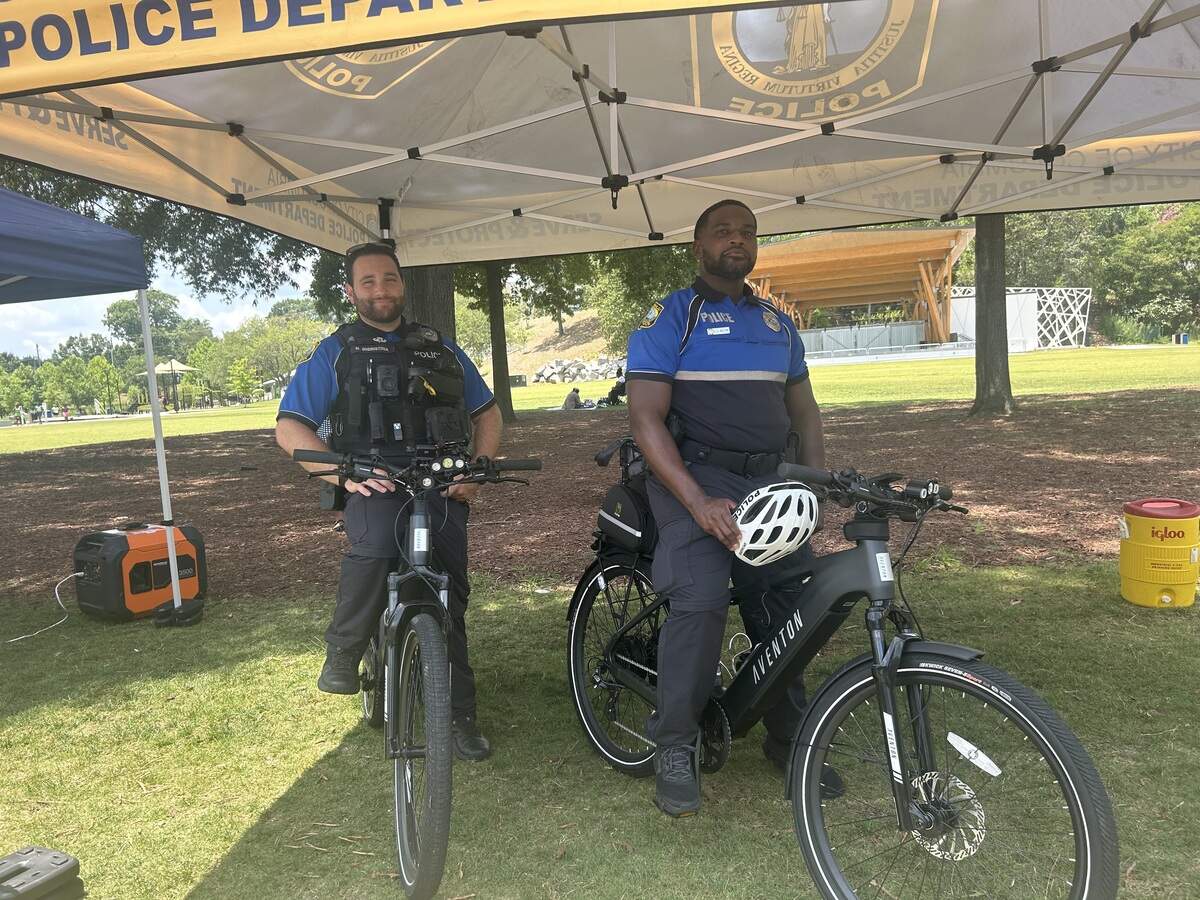
Officer Nicholas Digristia, part of the first group to be trained on e-bikes, said the machine can go up to 28 miles per hour, but the job rarely calls for that. Instead, the bikes are used at the city’s special events. Like the mounted patrol, they increase visibility and are designed to “fit places cars can’t go.”
“Mainly we use the e-bikes a lot for Finlay Park because it’s a big area, hard to traverse on foot quickly,” Digristia said.
While city park security and summer programs are looking to deter crime before it happens, advancements to the department’s Real-Time Crime Center has helped with investigations, documenting and filming crimes across the city.
800 views of Columbia
For Columbia police, each new technological advancement has brought new insights into how crime occurs and new ways to combat it.
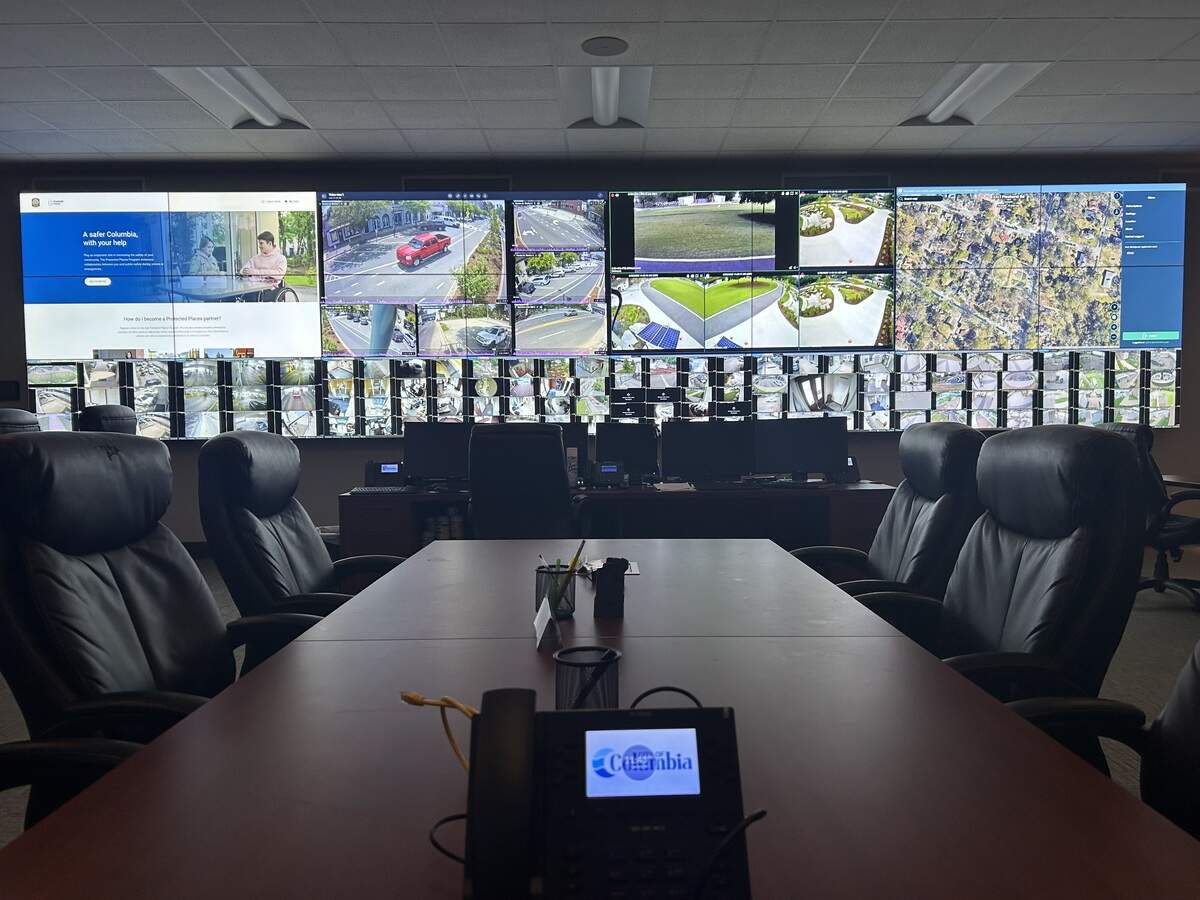
Officials said ShotSpotter, which has been in use since 2019, revealed that many gunfire incidents were never reported to 911, giving police a clearer picture of gun violence stats and driving the department’s investment in additional crime-fighting technology.
“There’s no way this is accurate,” Rease recalled thinking when he first saw the data.
Residents were simply not reporting a legion of gunfire incidents, especially those at night, he said.
ShotSpotter sensors, which detect gunfire and pinpoint its location within an 82-foot radius, send alerts directly to officers’ phones, typically within 30 to 45 seconds, without waiting for a 911 call.
Working from the Real-Time Crime Center, officers and crime analyst Cannon Fulmer use those alerts alongside live camera feeds and other technology to support investigations.
“We know that when the Real-Time Crime Center helps a detective out with a case that they have a 180% higher likelihood of making arrests in that case,” Fulmer said.
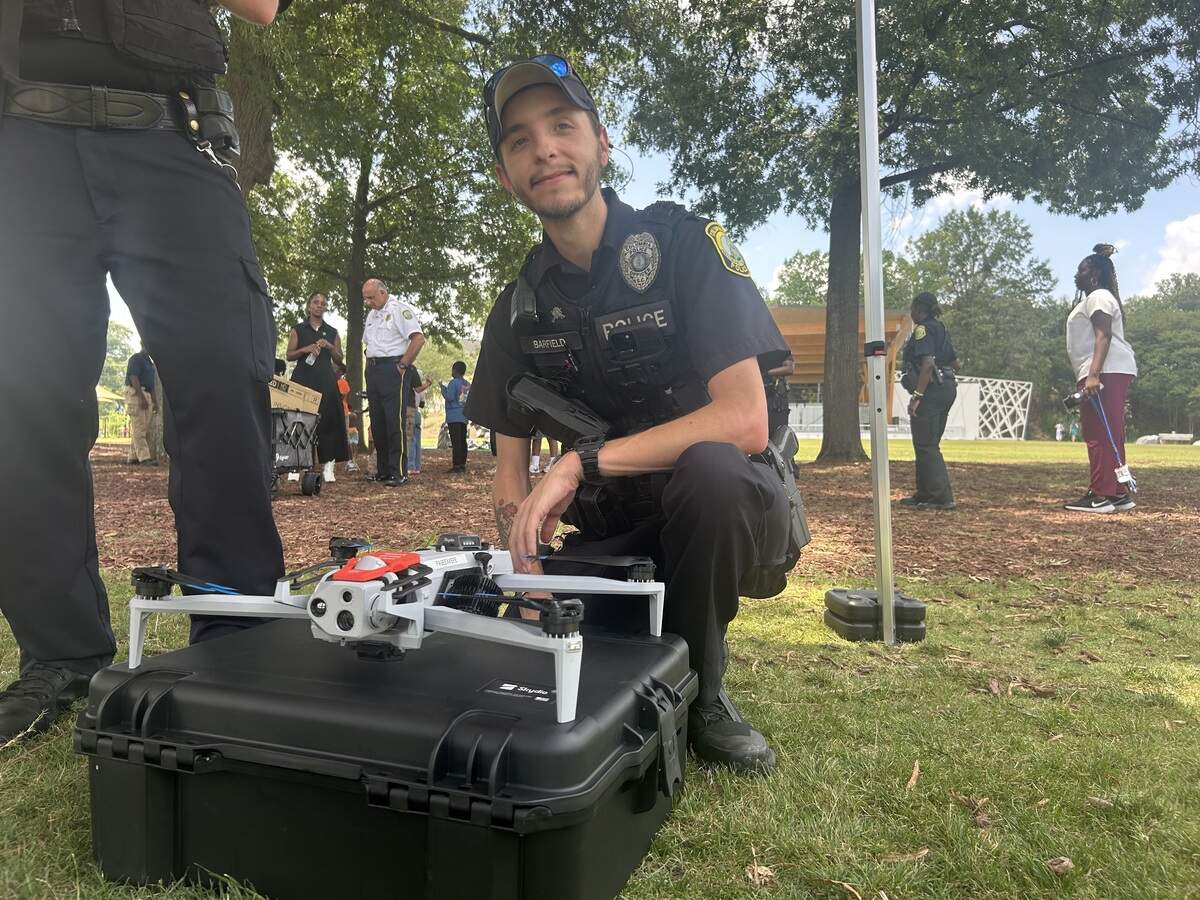
The department’s technology is designed to work in unison. More than 200 city-owned camera sites, each with a 360-degree view provided by four lenses, complement upgraded body cameras capable of two-way communication. The department has also launched a drone unit, with two officers completing the specialized training, to give the Real-Time Crime Center an aerial perspective during investigations and critical incidents.
Not every camera belongs to the city. Through the Protected Places Program, residents and businesses can volunteer to register their security cameras, creating a map that investigators can turn to after a crime. The portal takes about five to 10 minutes to register and does not allow police to tap into footage without permission.
For Rease, it’s another example of technology working alongside the community, “bringing some ease for the officers that are out there struggling on the street.”
“It’s a way of expanding our partnership with the citizens, number one, and expanding our capabilities of what we can and cannot see,” he said.