
These Civil Rights Freedom Riders stopped in SC in 1961. How today compares
Beaten, jailed, denied graduation from college; some Freedom Riders endured all of that in 1961.
Charles Person was 18 years old when he went on the first Freedom Ride in May of 1961 to protest segregated transportation. The group of 13 passengers that included the late U.S. Rep. John Lewis of Georgia started in Washington, D.C., and traveled to New Orleans.
“Well, no one knew what a Freedom Rider was in those days, but I raised my hand because I would’ve gone anywhere at any time to fight segregation,” said Person.
Person was a student at Morehouse College and joined organized sit-ins, protests and demonstrations from the moment he got to college. Morehouse, the esteemed historically black men’s college in Atlanta, was not Person’s first choice for college. He was accepted into MIT, but could not afford to go and was denied acceptance into Georgia Tech most likely for being Black, Person said.
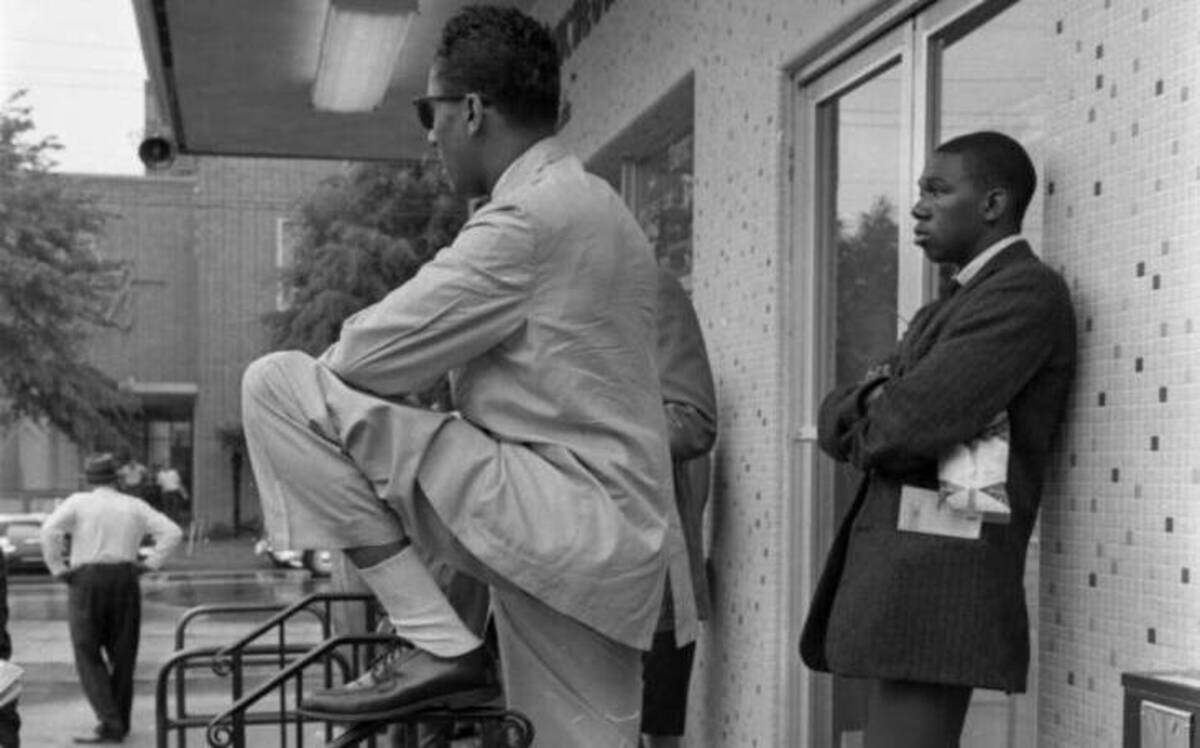
While in college, Person was arrested multiple times because of his activism and spent 16 days in jail, 10 of those in solitary confinement for singing too loudly.
Person, Joan Browning and Dave Dennis were a few of the more than 400 Freedom Riders who demonstrated between May and December 1961. They will be speaking about the connection of the Civil Rights Movement to today in a Zoom webinar organized by USC’s Center for Civil Rights History and Research at 6 p.m.
Freedom Riders in Columbia
One of the lesser known stops for the Freedom Riders was in Columbia. It wasn’t until 2013 that the organization Columbia SC 63 found pictures of Person and the Freedom Riders in photo negatives from The State newspaper.
One week after leaving D.C., the riders went through Columbia and stopped in Sumter at Morris College, where three more students joined the ride, according to Bobby Donaldson, the director of the Center for Civil Rights History and Research at USC.
Mobs savagely attacked the group of non-violent demonstrators at many of their stops in the South. Person was left with a head injury from an ice pick that required surgery in 1996 because hospitals refused to treat the Freedom Riders.
“It was mobs, but mobs that were given license because police stood on the sidelines,” said Donaldson.
Person grew up about three blocks from Dr. Martin Luther King Jr. in Atlanta in an area he considered “on the poor side of town,” but with “everything the larger community had.”
King was invited on the Freedom Rides, but was advised against it because of the brutality that was expected.
“Well, Dr. King did not only not want to join us, but he also heeded warning. He said ‘I understand that terrible things await you in Alabama,” Person said.
Protests now versus then
This year, after a summer of racial unrest and protests nationwide due to the deaths of George Floyd in Minneapolis and Breonna Taylor in Louisville, Kentucky, Person urged young people to stay dedicated to the movement.
“They have to move the movements from the streets to the boardrooms and into the executive suites, the mayors and governors offices because the idea is to have a conversation about what’s wrong,” Person said.
Person is still involved with coaching young activists on how to make change. He encourages people to take activism further than marching and to figure out how to negotiate with those in power.
Additionally Person said he’s discouraged by a lack of civic understanding in the nation and the missing educational links of history, government and economics.
“There’s a lot of things in history that we learned in little blocks and no one tied those blocks together,” said Person. “Once you get an understanding of what happened in the country and why it happened, you can get a better understanding of how we can make it better.”
For Browning, who rode on the last Freedom Ride in December 1961 to Albany, Georgia, remembering how many people fought for integrated transportation before her helped to contextualize the long fight against racism, she said.
“You know the first person who got thrown off a train because she had bought a first class ticket was in 1875,” said Browning. “We seriously, not joking, stood on the shoulders of many, many people — some that we will never know. We were one little moment in time, but the struggle continues.”
Because of the Freedom Rides, the federal government urged the Interstate Commerce Commission to ban segregation on interstate travel facilities. Segregation on buses was already illegal, but the Freedom Riders forced the implementation of it and garnered support from the Kennedy Administration through media coverage of the brutality in places like Rock Hill, South Carolina, and Birmingham.
In marching more effectively, Person said it’s important to know the composition of your group, to train in non-violence and to organize around a specific list of grievances.
Both Browning and Person were denied graduation from their prospective colleges for participating in the Civil Rights Movement. Person pursued a career in the Marines and Browning took some time off from school before transferring colleges and graduating.
“Every person in life — you get an opportunity to do something. In my case, there was a bus that came along and I got on it,” said Person. “I don’t know what your bus is going to be.”
This story was originally published October 13, 2020 at 4:42 PM.