
Richland County sheriff defends investigating his own officers who shoot at, kill suspects
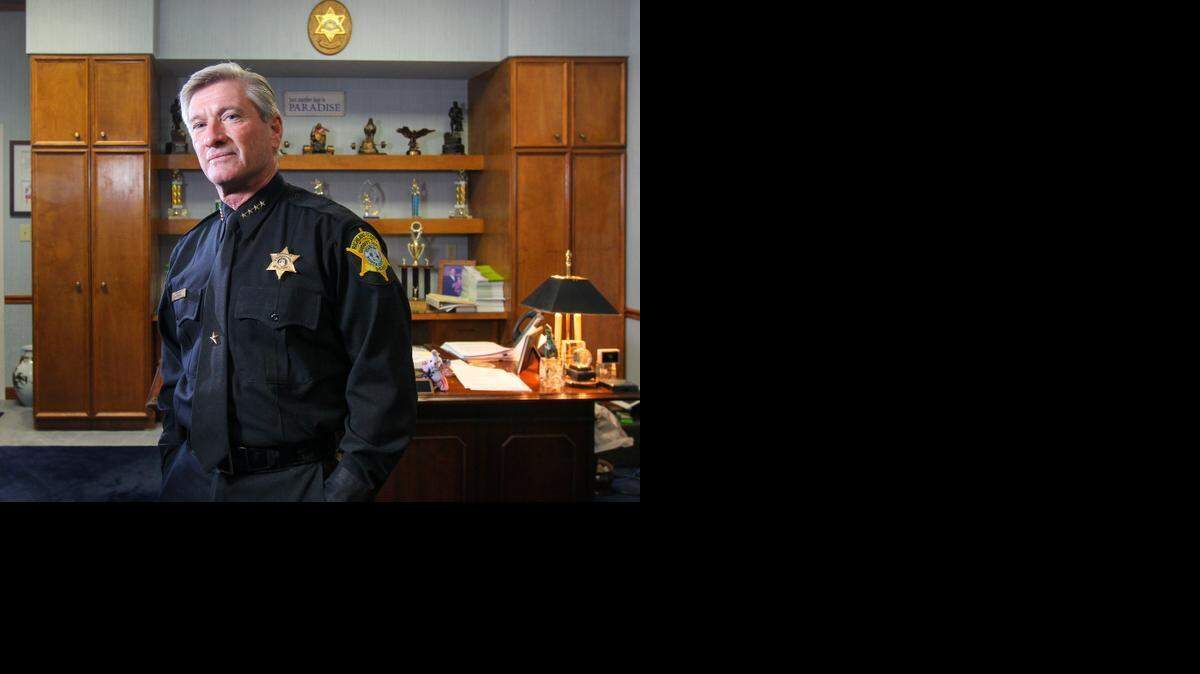
The Richland County Sheriff’s Department is the only police agency in South Carolina that does not routinely turn over investigations of its officer-involved shootings to SLED or another outside agency.
Sheriff Leon Lott said he turned to in-house probes starting in 2014 because he feels his department has the investigative expertise, a competent crime lab and the public trust to conduct proper investigations of its own deputies.
Critics call that kind of arrangement a fox-and-hen-house deal fraught with a lack of transparency and independent accountability. But there is no state law that requires law enforcement agencies to turn over their cases to the State Law Enforcement Division or some other agency.
Lott and his supporters cite a track record of investigating, arresting and firing any offending officers, including a deputy last year whom a county grand jury did not indict in a shooting but whom Lott thought had erred.
SLED Chief Mark Keel said police shootings should be investigated by someone not affiliated with the officer’s agency.
“Like Chief (J.P.) Strom and Chief (Robert) Stewart used to say, ‘It’s not only got to be right, it’s got to look right,’” Keel said of his predecessors. “Those type of cases should be worked by an independent agency.”
SLED is aware of Lott’s incidents, but lately the sheriff has not been calling in SLED agents to investigate.
Fifth Circuit Solicitor Dan Johnson, who reviews all police shooting cases in Richland and Kershaw counties and determines which to prosecute, approved Lott’s in-house policy.
Many large police agencies, including those in Atlanta, Charlotte, Memphis, New York City and Los Angeles, routinely investigate shootings by their own officers.
Lott’s department sends every officer-involved shooting case to an 18-member citizen review panel whose members are selected by Lott. The panel, used for community relations purposes for the past 15 years, reflects diversity in the county, Lott said. It meets quarterly or as needed and provides him with written findings.
By Lott’s own account, his deputies have been involved in 11 shootings between March 2011 and December 2014. In five cases, the suspect was killed. Four deputies were injured.
Lott says investigating your own shooting incidents isn’t wrong, it’s just different – and, with the number of incidents rising, perhaps more efficient.
In 2013, the number of officer-involved shootings among all police agencies in Richland County was nine, a high matched only by Greenville County police agencies the year before, according to SLED records.
The frequency of shootings statewide has been rising, according to SLED, which investigates nearly all other officer-involved shootings across the state.
Lott said shootings are happening more often largely for two reasons – younger people are carrying guns and are quicker to use them because of growing disrespect for police.
Forty years ago when Lott started his career, “Nobody would think to shoot at a cop. Today, there’s no hesitation.”
The prevalence of armed young men is fueled by the continued presence of gangs, he said.
If not for equipping his deputies with Tasers, “Our number of shootings would probably double,” Lott said.
Who do you trust?
Some lawmakers and law enforcement leaders are talking about writing a state law that would require SLED to conduct all police shooting investigations.
Currently, local police must invite SLED to come in, and most do routinely.
South Carolina for years has had a law that prevents police from investigating traffic collisions that involve their own vehicles. Why not extend that kind of independent review for cases that last year became so volatile that riots and demonstrations exploded in many major U.S. cities because of questions about the fairness of investigations, some lawmakers and law enforcement leaders say.
“I don’t know that one is any better than the other,” Johnson said. “I’m comfortable with either way.”
Keel, citing state law that bans in-house investigations of traffic accidents, said he isn’t seeking a mandate for SLED. But he would not oppose such a law, either.
Columbia attorney John O’Leary has built his legal career on defending accused police officers after serving six years as the director of the state police academy in the 1980s. Mandatory reporting is needed, he said.
“I think that you’ve got the local politics and you’ve got 46 sheriffs who don’t want someone poking around,” O’Leary said. “They don’t want them (SLED agents) coming in and putting guys in jail (while) you’re the sheriff. It kind of hurts.”
Lott said his view of which agency should investigate “falls back to whether the community trusts you or not.”
Johnny Gasser, a former, longtime prosecutor in Richland County, said Lott has established enough trust to self-police his department.
“He has earned the reputation, his department has, of being very unbiased and fair,” Gasser said of Lott. “A person that went sideways, (Lott) came down on them very, very hard – no sweeping it under the rug.”
Within the past two years, Lott said he has fired 21 deputies, including a detective, after internal investigations.
Reach LeBlanc at (803) 771-8664.
This story was originally published March 22, 2015 at 5:36 PM with the headline "Richland County sheriff defends investigating his own officers who shoot at, kill suspects."