
SC city pays $750K to family of innocent driver killed in high-speed police chase
A small city in the Upstate reached a $750,000 settlement with the family of a 59-year-old man who was killed during a high-speed police chase, attorneys said.
Steven Louis Richardson was driving south on U.S. 123 near Easley when he was struck head-on by a wrong-way driver running from police in April 2017. Richardson died at the scene.
Liberty police officers tried to pull over Nicholas Keith Blackstock for a faulty brake light and chased him when he failed to stop, reports show. The chase lasted more than nine minutes, spanned 12 miles and passed more than 100 innocent drivers on the road, all while traveling at speeds exceeding 100 mph.
“It was only a question of when, not if, someone would be killed by this completely unnecessary pursuit,” said Christy Fargnoli, the Richardson family’s attorney with the Charleston-based Clawson Fargnoli law firm.
Richardson’s death is another example of the problem with high-speed chases in South Carolina and the threat they pose to communities. South Carolina ranks eighth in the nation for people dying as a result of police chases, according to a review of data from the National Highway Traffic Safety Administration.
In addition, at least one in 10 S.C. high-speed police chases in the past decade has resulted in a crash with an innocent bystander, often causing injury or death, according to a recent analysis of media reports by The State newspaper. Each of those chases was initiated over traffic violations or other nonviolent crimes, raising alarms by affected families and national law enforcement experts who say the pursuits are not worth the risk to the public.
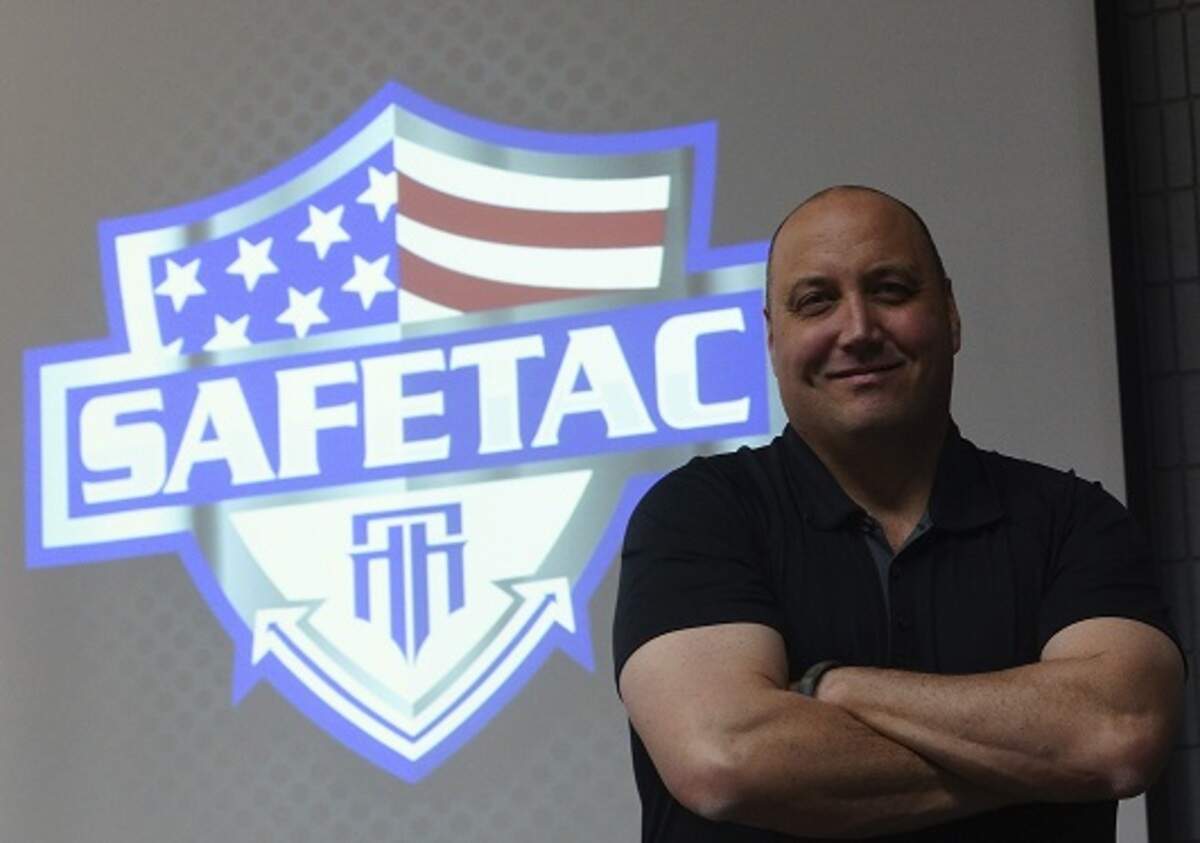
“Law enforcement is really good at saying ‘I’m sure they’re running for a different reason, so we keep chasing.’ Well, we don’t know that,” said Tulsa, Oklahoma, police Maj. Travis Yates, who runs SAFETAC, a national pursuit-training academy.
Courts judge police officers based on what they know at the time, he added. “If all we know at the time is that it’s a minor offense or a traffic offense, is that really worth someone being severely injured or dying?”
To be clear, no one is advocating for the end of all high-speed chases. Today, there is a national push among law enforcement to only chase after people suspected of a violent crime — such as murder, rape, kidnapping, robbery and aggravated assault.
But many S.C. law enforcement agencies have pursuit policies that advise officers to consider the seriousness of the suspected offense before giving chase — without explicitly stating which offenses justify a pursuit.
In the city of Liberty, “The foremost thought in an officer’s mind must be safety,” according to the police department’s pursuit policy.
“A primary responsibility of this department is the protection of life and property,” the policy reads. “If a motor vehicle exposes any officer, suspect or members of the general public to unnecessary risk of injury, then the pursuit is not consistent with this responsibility and must be terminated.”
Liberty police officials have not yet returned calls for comment.
A faulty brake light drew the attention of Liberty police more than a year ago. But officers also were advised from a neighboring police agency that the vehicle was known for drug activity and the driver was under suspension.
A Liberty police officer activated blue lights, and Blackstock sped away.
“This chase should have never started,” said David Thomas, a senior research fellow with the Police Foundation, a national organization dedicated to helping improve police agencies across the country.
The officers clearly knew who the driver was and could have obtained a warrant for his arrest, Thomas said.
“(Police officers) get so hyped in the pursuit, or catching the bad guy, that they literally lose sight of what the ultimate ramifications can be,” he added. “This pursuit is exactly what happened.”
After Blackstock crashed head-on into Richardson, officers found five needles, multiple cellphones and small amounts of methamphetamine and marijuana in his car, reports show. Blackstock was charged and later sentenced to 19 years in prison for felony DUI resulting in death, court records show.
The Richardson family’s attorneys filed a lawsuit and obtained $50,000 from the at-fault driver’s liability insurance, as well as $600,000 from Richardson’s coverage. In addition, the city of Liberty’s insurer, the S.C. Municipal Insurance and Risk Financing Fund, agreed to pay $750,000 to the family, with $250,000 of that going toward attorney fees.
The South Carolina Tort Claims Act sets a cap at $300,000 and $600,000 for claims against government employees. But the family’s attorneys argued 10 different occurrences of malfeasance and convinced the city of Liberty, with a population of about 3,200 people, to pay more than what is provided by the Tort Claims Act, said Sam Clawson, one of the Richardson family attorneys.
“The idea that this all started from a faulty brake light and ended in an innocent driver getting killed is absurd,” Clawson said. “But it’s a perfect example of why it is essential that law enforcement follow their policies and procedures, which are intended to protect the general public.”
The exact number of innocent bystanders killed in South Carolina high-speed chases is unknown because no state agency or organization collects data from all S.C. law enforcement.
In comparison, Minnesota requires law enforcement agencies to report all high-speed chases to the state’s Department of Public Safety, including the reason for the pursuit as well as other details such as injuries, deaths or property damage. Minnesota also ranks nearly last in the nation in the number of people per capita killed as a result of police pursuit.
Some state officials say the mandatory reporting requirement forces agencies to develop policies that lead to safer police practices.
This story was originally published August 13, 2018 at 3:20 PM.