
This legal loophole allows drunk drivers back on the road with you. Can SC do better?
South Carolina lawmakers passed a bill in 2014 in the name of a 6-year-old girl who was killed by a repeat drunk driver. The new law required certain first-time DUI offenders to blow into an ignition interlock device — an in-car breathalyzer — before starting their car.
Its passage was celebrated by many as a way to save lives.
But in reality, more than 90 percent of people eligible for the ignition interlock aren’t using it, and South Carolina continues to rank among the top five states in the nation for people killed per capita in DUI crashes every year.
Critics say Emma’s Law is wrought with loopholes and exceptions, raising alarms by victims’ advocates and members of law enforcement who say too many drunk drivers are slipping through the cracks and putting others in danger.
One of the biggest criticisms of the law is that the ignition interlock is only required for first-time offenders convicted of having a blood-alcohol concentration, or BAC, of .15 or higher. That’s nearly twice the legal limit.
One simple fix could make all the difference — require everyone accused of DUI to use an ignition interlock, even before they are convicted.
“I think it could prevent a lot of deaths,” said 7th Circuit Solicitor Barry Barnette, of Spartanburg and Cherokee counties.
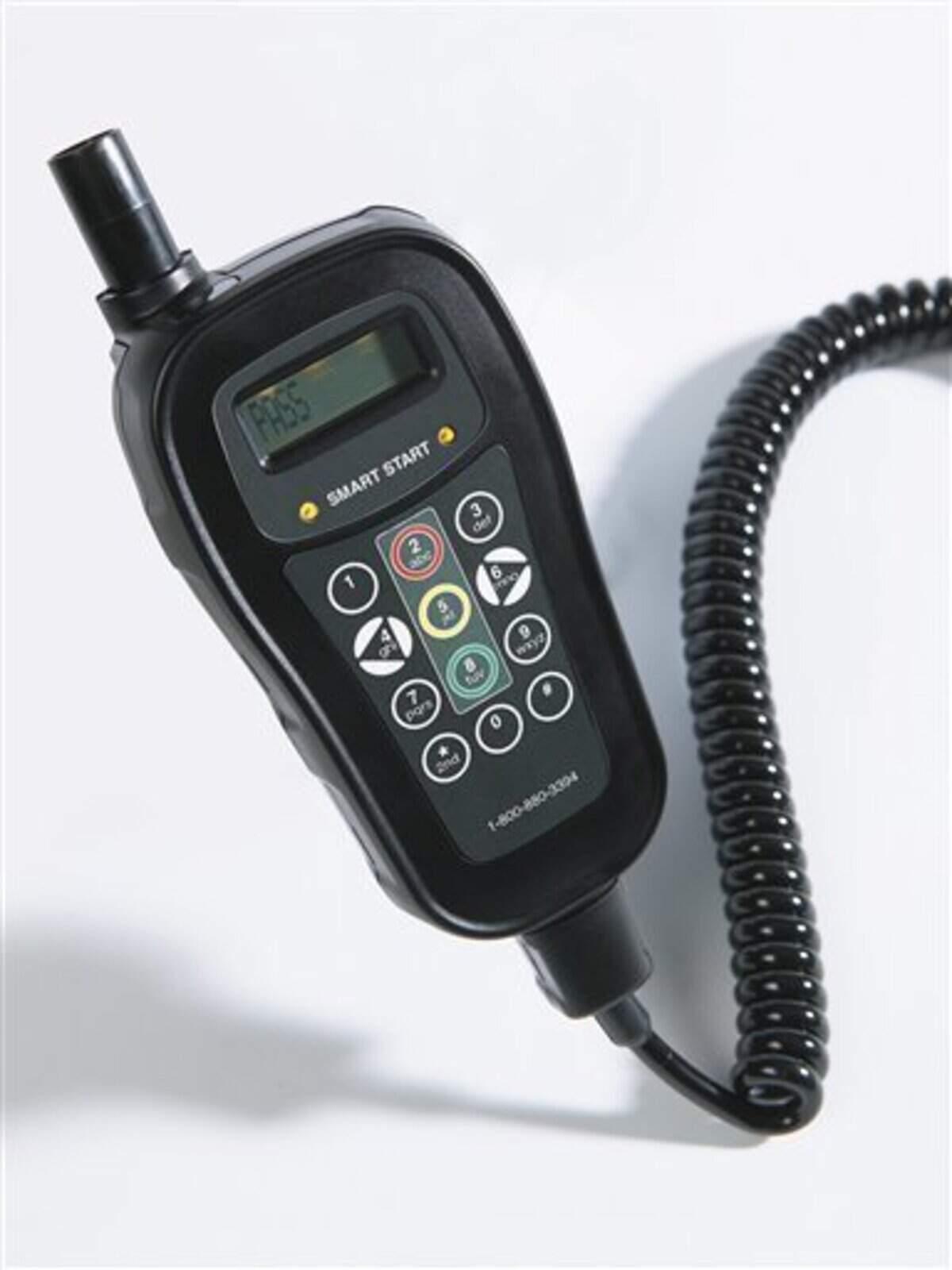
The ignition interlock takes a picture when activated, analyzes the driver’s breath, and prevents the car from starting if the BAC is .02 or more. The state’s legal limit is .08. Emma’s law — named after Emma Longstreet, who was killed in 2012 while her family was on its way to church in Lexington — requires first-time offenders to use the device for six months.
But there are ways to avoid the ignition interlock.
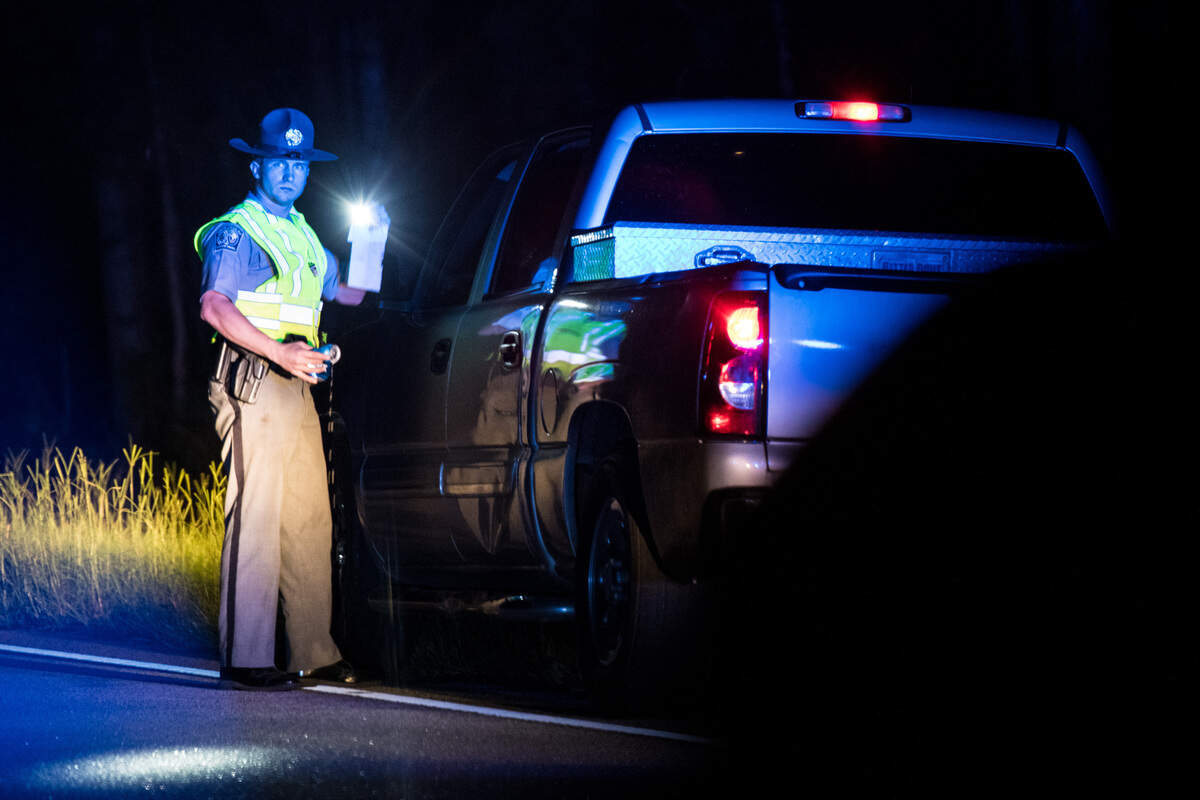
When arrested on suspicion of drunk driving, a driver can refuse to give law enforcement a breath sample. While the driver’s license will be suspended for six months, it’s a loophole that would allow someone to avoid a conviction of a .15 BAC. Meanwhile, they could get around the license suspension by obtaining a temporary alcohol license from the Department of Motor Vehicles.
A temporary alcohol license doesn’t require an ignition interlock. The driver maintains all of the same driving privileges until the case reaches a conclusion, which could take several years.
The state’s chapter of Mothers Against Drunk Driving argues the law doesn’t go far enough.
MADD recently released the second of a three-year report on South Carolina’s DUI arrests and prosecutions, and the organization is calling on lawmakers to close loopholes, eliminate exceptions and require all DUI offenders to have an ignition interlock device.
“The states that have the strongest laws and require them for all offenders have very meaningful reductions in DUI deaths,” said Steven Burritt, executive director of the state’s chapter of MADD.
A study conducted by the University of Pennsylvania found that DUI-related deaths decreased by 15 percent in states that enacted all-offender laws for ignition interlock devices. That same decrease in South Carolina means 50 fewer people would have died in 2016 if an all-offender law had been on the books, according to a review of the most recent data from the National Highway Traffic Safety Administration.
Emma’s father, David Longstreet, believes South Carolina can do better.
“It really bothers me,” Longstreet said. “Seeing the effects (of Emma’s Law) and where we stand as a state, I am embarrassed.”
It isn’t for a lack of trying, however. Some lawmakers have tried to require a device for all DUI offenders at least three times now, with a fourth effort expected in the next legislative session.
But other lawmakers are skeptical, suggesting ride-share companies are the answer, and oppose the tougher law based on the stigma associated with an ignition interlock and the costs involved for drivers.
The ‘meat grinder’
Some state lawmakers have wanted an all-offender law for at least a decade.
The Legislature passed its first bill relating to ignition interlock devices in 2008. It was proposed by then-state Sen. Joel Lourie, D-Richland.
The original bill required DUI offenders to have an ignition interlock, “whether or not he is a first or subsequent offender …”
But the bill was amended to say “if he is a subsequent offender...”
And again with Emma’s Law in 2014, the language of the original bill required an ignition interlock for anyone who has violated the state’s DUI statutes. But by the time Emma’s Law made it through the “meat grinder” that is the legislative process, it only targeted first offenders with a .15 BAC.
A coalition came together to pass Emma’s Law, but “there were many moments we were not sure we would get to the finish line,” said Lourie, who was the bill’s sponsor.
“As in many legislative initiatives,” Lourie added, “we made the bill as strong as possible but wanted to get the bill passed and get the program started.”
Everyone knew the issue would be revisited once there was enough data to show its effect, he said.
“I had to be a realist,” Longstreet said.
Longstreet said he wanted to include first offenders with a .08 BAC, but felt he had to settle just to see some change.
“I’m looking for someone who is a mother, father, teacher or just a member of the community that may have an alcohol problem, and give them a way to function within their problem,” Longstreet said.
‘Ignition interlock needs to be addressed’
More than 17,300 South Carolinians were eligible for an ignition interlock device as of June 30, but only 1,110 were in use, according to the Department of Probation, Parole and Pardon Services, the agency tasked with overseeing the program.
There are three ways a person could become eligible:
- Required drivers (DUI first offenders convicted of a BAC .15 or more, as well as all subsequent offenders with a .08 or more)
- Optional drivers (DUI first offenders convicted of a BAC below .15)
- Implied consent (Refuse to give law enforcement a breath sample at the time of arrest)
People refuse to give a breath sample about 40 percent of the time, according to data from the State Law Enforcement Division.
Refusing to provide a breath sample automatically results in a suspended license for six months. But after a trip to the DMV, at least $300 and an administrative hearing, that same person could be back on the road in two to three days with a temporary alcohol license and still have all the same driving privileges as before, according to DMV spokeswoman Lauren Phillips.
If someone is arrested for DUI and gives a breath sample higher than .15, their license will be suspended, but they can still obtain a temporary alcohol license and drive without any restrictions prior to conviction, Phillips said. A conviction could take anywhere from one month to several years.
When drivers are convicted, (which, data shows, doesn’t happen often) they are required to install an ignition interlock device if their BAC was .15 or higher.
More than 3,100 temporary alcohol licenses were in use as of July 31, according to the data collected by the DMV.
A bill that would have required all suspected DUI offenders — as well as temporary alcohol license holders — to have an ignition interlock failed to make it out of the Senate chamber this past legislative session.
But state Sen. Brad Hutto, D-Orangeburg, said he is committed to reintroducing it no later than January 2019.
“Ignition interlock needs to be addressed and we’re aware of that,” Hutto said. “Hopefully we’ll have more time to debate it on the floor.”
Lourie, who left office last year, said the issue is unfolding the way everyone had expected.
“This next phase of legislation being discussed is a natural extension of what is necessary to save lives on our highways,” he said.
Trade-offs
But there is a stigma attached to the ignition interlock, and it doesn’t sit well with state Sen. Gerald Malloy, D-Darlington.
Malloy said to consider this scenario:
A husband and wife have two kids together and share one family car. The wife is a law-abiding, churchgoing soccer mom, but the husband has a drinking problem and a DUI conviction that requires an ignition interlock.
“The woman, who is totally innocent, has to blow into it too,” Malloy said. “She’s not responsible but she pays the price, and it’s embarrassing to children because they can’t pick their parents.”
But these devices work and they save lives, said Burritt, the state’s director of MADD.
“Some inconvenience or embarrassment to me is quite an OK trade-off,” he said.
State Rep. Todd Rutherford, D-Richland, is skeptical. Uber and Lyft have done more to reduce DUI fatalities than anything the Legislature could ever do, he said. But data shows South Carolina ranks second in the nation for people killed in DUI crashes per capita, up from fourth in the nation the year before.
Rutherford, a defense attorney who handles DUI cases, said these laws pose too much of a burden on people who have not been convicted of a crime.
“They haven’t been convicted of anything, and if they’re found not guilty, are you going to give them their money back?” he said.
It costs $75 to $150 to install the device on a single car. In addition, the defendant has to pay the manufacturer $130 a month to lease the device.
“If someone gets a DUI, they need to learn, I agree. But in exchange, the defendant should get something for it,” Rutherford said.
If someone is willing to drive around with an ignition interlock on their car for a year after their first DUI conviction of .08 or higher, they should be able to get that crime expunged from their record, Rutherford said.
“I don’t think that’s a bad trade-off,” he said.
Getting DUI offenders back on the road is a $100 million-plus legal business for defense attorneys in South Carolina, The State has reported. In addition, defense attorney associations have paid lobbyists nearly $275,000 to fight for their cause since 2014, according to the State Ethics Commission.
Wounds that never heal
Maryland ranks nearly last in the nation for DUI deaths. Even with a larger population, it recorded fewer than half as many DUI deaths as did South Carolina in 2016, according to the National Highway Traffic Safety Administration.
But in Maryland, anyone arrested for DUI or refusing to give a breath sample is required to have an ignition interlock if they want to drive. And data shows this approach works.
From 2015 to 2016, more than 5,600 cars were prevented from starting in Maryland because the driver recorded a BAC of .08 or higher, according to data collected by MADD.
South Carolina’s prevention numbers are a third of Maryland’s in the same time frame because it has fewer ignition interlocks in use — about 1,200 compared to Maryland’s 8,200.
Longstreet, the father of 6-year-old Emma, wants to raise that number.
“If I can double or triple the use usage of the device, I think I can do some good,” he said. “It seems like we’re too lax in the state of South Carolina with as bad as the DUI problem is.”
Longstreet said he walks around with wounds that will never heal.
“My wife and I put ourselves out there publicly and it’s very difficult to walk through the pain while you’re doing this,” he said, “and I don’t want people to feel like there has to be a tragedy in order for real change to happen.”
This story has been updated to include the comments of former state Sen. Joel Lourie. The previous version incorrectly reported that he did not return calls for comment.
This story was originally published September 7, 2018 at 1:43 PM.