
Drunk driving arrests in Charlotte have plunged. Here’s why that could prove deadly.
Drunk driving arrests in Mecklenburg County have plunged in recent years, a trend that some lawyers and law enforcement officers fear will lead to more highway deaths.
From 2014 to 2018, the number of DWI charges in Mecklenburg County dropped about 48%, according to an analysis of state courts data by the Charlotte Observer and the (Raleigh) News & Observer.
The number of alcohol-related wrecks in Mecklenburg also declined over that period, but at a significantly lower rate — about 9%, according to state Department of Motor Vehicles data. Fatal accidents involving alcohol rose about 17% during that period.
“I think enforcement is at an all-time low,” said George Laughrun, a prominent Charlotte defense lawyer who represents many who are charged with DWI. “What worries me about this trend is you’re going to see more cases of drunk people getting behind the wheel and causing accidents. You’re going to start seeing more horrific crashes because people aren’t afraid anymore.”
Laughrun said he has heard from at least 10 clients over the past year who told the same story: that officers stopped them, asked them to blow into a portable alcohol tester and told them that if their alcohol level was 0.10 or less, they could take an Uber home.
North Carolina law says that people are driving while impaired if they have an alcohol level of 0.08 or above.
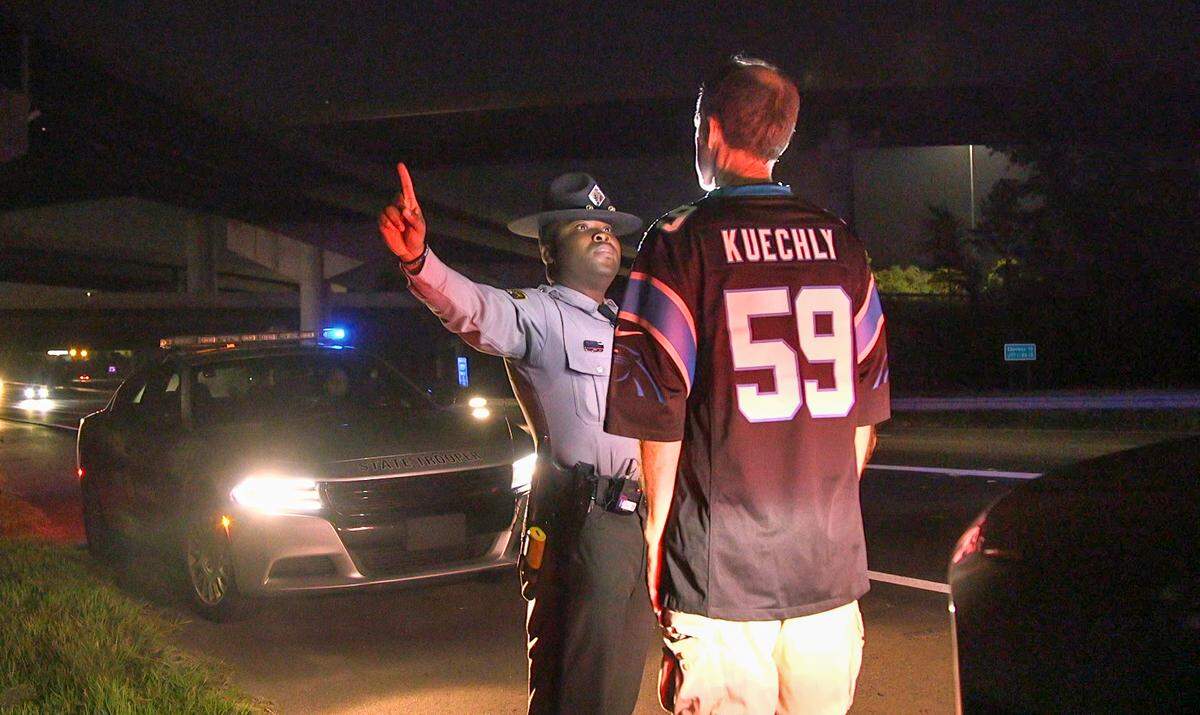
Drunk driving arrests have plummeted in other N.C. cities as well.
▪ In Wake County, whose largest city is Raleigh, DWI charges dropped about 47% from 2014 to 2018. Alcohol-related crashes declined 7% in that period.
▪ In Durham County, DWI charges fell 35%, while alcohol-related wrecks dipped just 3%.
▪ Across North Carolina, DWI charges dropped about 18% over the five-year period. Alcohol-related accidents rose 5%, to more than 11,000, last year.
Read more: Across N.C., checkpoints have plummeted.
In Charlotte, the bulk of DWI arrests are made by the Charlotte-Mecklenburg Police Department. CMPD also accounted for most of the decline.
Some who’ve lost loved ones to drunk drivers worry about the trend.
Early one morning in August 2016, Cecilia Buitrago de Gonzalez was with family members, returning from a trip to the beach. She was sitting in the backseat of a car that was traveling on South Tryon Street in Charlotte’s Steele Creek neighborhood.
Kelly Ann Conkin, meanwhile, was driving the other way on South Tryon Street. She had a previous DWI conviction and, once again, she was driving drunk.
Conkin lost control of her speeding car. Her vehicle crossed the grassy median, went airborne and slammed into the car that was carrying Gonzalez.
Gonzalez, 79, was killed in the crash. Conkin, now 26, pleaded guilty to second-degree murder in 2017 and was sentenced to 12 to 15 years in prison.
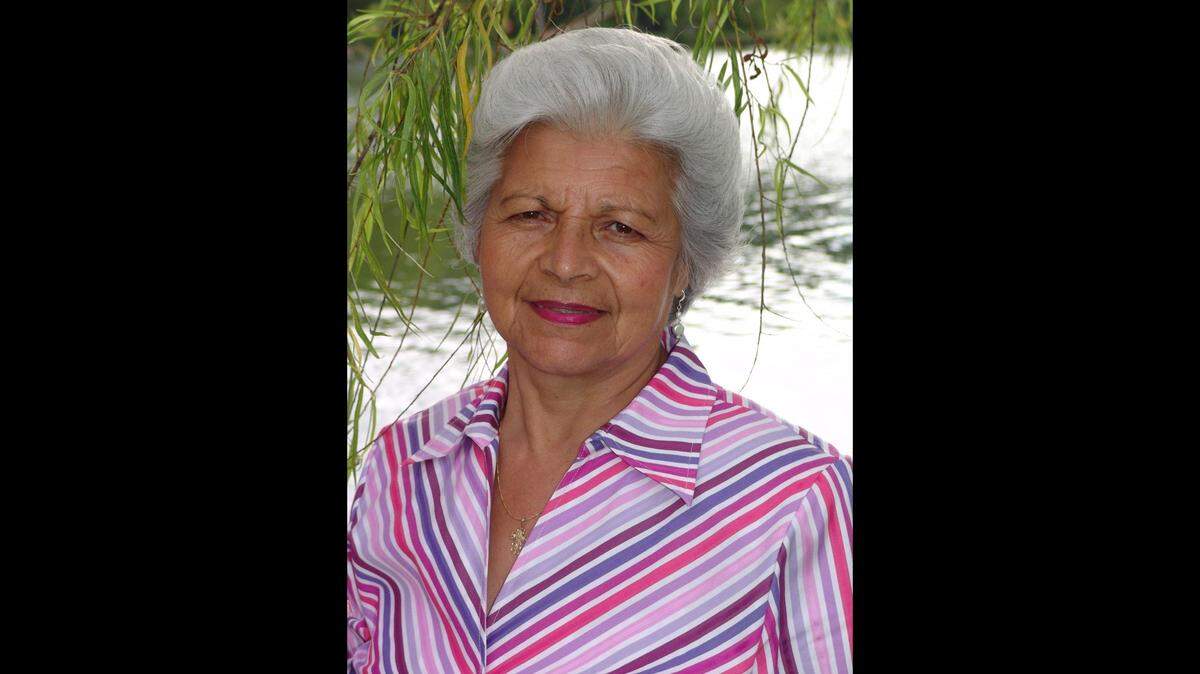
Gonzalez lived in Bogota, Colombia, but had been visiting her children in the U.S. She had eight children and 11 grandchildren, and she was the nucleus of the family, said Don Griffin, one of her sons-in-law. She routinely took clothes and food to a convent in Bogota that was helping girls who’d been abused.
“She was the closest thing I’ve ever seen to being a saint,” said Griffin, a former reporter for WSOC who retired in 2013.
Informed about the declining number of DWI arrests, Griffin said it troubles him.
“Those people are out there and law enforcement should do what they can to get them off the road,” he said. “ … All you have to do is make a big mistake and someone’s dead.”

A different approach
Not every N.C. county has seen a decline in DWI arrests. Union, Gaston, Alexander and Lincoln counties are among those where DWI arrests have climbed over the past five years.
In Union County, DWI charges jumped 37% from 2014 to 2018.
Tony Underwood, a spokesman for the Union County Sheriff’s Office, attributed much of that increase to a grant-funded task force that focuses on getting drunk drivers off the road. It’s called the SAFE unit — short for Sheriff’s Alcohol Field Enforcement — and its five officers spend their shifts finding and arresting impaired drivers.

In 2018, the team filed more than 550 DWI charges. Countywide, law enforcement officers filed 921 DWI charges last year.
Mecklenburg County has more than four times Union’s population, but law enforcement officers here issued 1,591 DWI charges in 2018 — fewer than twice the number in Union.
The members of the Union County task force have learned to spot the tell-tale signs that drivers are drunk: Some don’t use their headlights at night. Others weave, speed or drive well below the speed limit.
Underwood says the task force’s members also excel at another important task — efficiently processing paperwork so that DWI arrests aren’t unnecessarily time-consuming.
“Clearly it saves lives,” Underwood said. “Every person taken off the street and charged with impaired driving is potentially a life saved.”
But in most urban counties, drunk driving arrests have dropped sharply. Police officers, Highway Patrol troopers and lawyers offer several reasons:
1) Uber has taken drunk drivers off the road.
Ride-sharing programs like Uber and Lyft have given many bar patrons a way to get home safely without getting behind the wheel.
“You’ve got people making wiser decisions these days,” said Trooper Ray Pierce, a spokesman for the Highway Patrol. “They have all these ways to get home.”
One study, conducted by a national injury law firm, found that DWI arrests declined in 10 U.S. cities after the introduction of Uber.
Lawyers and former officers acknowledge that ride-sharing programs have helped reduce DWI arrests. But many interviewed by The Observer contend that alone doesn’t explain the large decline in arrests here.
The numbers suggest they are right. In Charlotte, DWI arrests have dropped at a far faster rate than alcohol-related accidents — and at a far faster rate than they fell in many other cities after Uber and Lyft were introduced.
In Charlotte, DWI arrests dropped about 43% from 2014 to 2016. Compare that to Chicago, where DUI arrests declined 22%, and Philadelphia, where they declined less than 6%.
Retired Highway Patrol First Sgt. First John Brodhage said responsible drivers — the sort who once relied on designated drivers after drinking — are using Uber and Lyft.
“But your hard-core DWI driver, your alcoholic, these people aren’t going to use Uber,” Brodhage said. “They’re not going to use a spare dollar on anything but alcohol.”
2) Police officers are spread thin.
Workloads for law enforcement agencies are increasing far faster than staffing, troopers and police officers say.
In Mecklenburg, the number of calls for service answered by the Highway Patrol has surged in recent years, jumping from about 2,800 in 2015 to about 8,900 in 2018, according to Pierce, of the Highway Patrol.
But local Highway Patrol staffing has declined. In 2000, the Highway Patrol had about 30 troopers available to do traditional enforcement work in Mecklenburg County, according to Sgt. Ben Miller. Now they have 27.
And on some mornings, between 2 and 5 a.m., the Highway Patrol has just a single trooper on duty to patrol all of Mecklenburg County, Miller says.
In 2007, Pierce said, the busiest trooper in Mecklenburg investigated fewer than 200 wrecks a year, Pierce said. Last year, the busiest trooper investigated more than 500 wrecks.
With workloads growing and staff declining, most troopers simply have less time to hunt for drunk drivers.
In 2018, Highway Patrol troopers in Mecklenburg made 453 DWI arrests, down from 612 in 2014.

Robin Benge, a former trooper who retired from the Highway Patrol last year, has witnessed the reduction in DWI enforcement. In the 1990s, he often made more than 150 DWI arrests in a single year.
He learned the best places to catch drunk drivers — and how to spot the signs that drivers had been drinking. Some would turn their heads away when they talked so that officers couldn’t smell their breath. Others would accidentally turn over their credit cards when officers asked to see their driver’s licenses.
“It was like a game for me,” he said of catching drunk drivers. “It was like hunting … I was like, ‘I’ve got to stop you before you kill somebody.’ ”
Now, however, troopers are expected to patrol the interstates most of the time, Benge said. And their emphasis has shifted to other priorities, such as ticketing speeders and reckless drivers.
“They’re not able to focus on drinking and driving the way they used to,” Benge said.
CMPD employs a six-officer task force that focuses on drunk drivers. But the department has struggled with staffing challenges of its own. Charlotte’s growth — and the resulting increase in emergency calls — have left many officers “running from call to call,” said CMPD spokesman Rob Tufano.
In 2018, the department investigated nearly 50,000 traffic accidents — 16% more than it investigated five years earlier. But as of Nov. 1, the department employed 1,549 officers, six fewer than it had in 2014.
A wave of retirements and resignations has left about 10% of the department’s officer positions vacant in recent years. About 180 of the positions are now vacant.
“A lot of (officers) don’t have time to even eat lunch, much less sit, park and pro-actively observe and wait for someone who may be driving erratically,” Tufano said. “I think officers are as busy as they’ve ever been.”
City council member Larken Egleston agreed: “We know we’re understaffed. And we’re trying to do everything we can to ameliorate that problem ... We’re not as equipped as we can be and should be to get (drunk drivers) off the road.”
In 2018, CMPD reported 827 DWI arrests — fewer than half the number made in 2014.
About 9% of CMPD officers have taken the department’s DWI 101 course, which explains the proper procedures for arresting drunk drivers.
Officers who lack that training sometimes don’t make DWI arrests themselves, instead calling for help from other officers who do have the training, lawyers say.
Laughrun said he has seen more than 15 cases in which less highly trained CMPD officers called for help from members of the DWI task force to arrest suspects who they had stopped and believed were driving impaired.
In Mecklenburg and other N.C. counties, the challenges of recruiting officers have made it more difficult to staff license checkpoints — historically a key tool for getting drunk drivers off the road.
The Governor’s Highway Safety Program set up 3,248 checkpoints in 2018 using officers, deputies and troopers from around the state. That total was down 37% from 2014.
“I can tell you that funding is always a problem,” said Jennifer Lichtnegger, state program director for Mothers Against Drunk Driving. “It’s not inexpensive to have checkpoints and saturation controls. Here, we see many of the departments who are strapped, not having the resources.”
But CMPD officials say that when it comes to catching drunk drivers, license checkpoints are no longer as effective as they once were.
The number of DWI arrests stemming from checkpoints has declined in recent years, partly because of cellphone apps like Waze, which can alert drivers to checkpoints, said CMPD Sgt. Jesse Wood, who oversees major crash investigations.
He spoke of a checkpoint that CMPD set up on Park Road about three years ago. News of the checkpoint quickly spread, and soon there were very few drivers coming through it.
“Within 20 minutes, it was crickets,” Wood said.
So Wood told members of CMPD’s DWI task force to search for speeders on nearby roads instead. Soon, each of the officers had made an arrest.
“We have to adjust our tactics,” Wood said.
3.) Police officers are more cautious.
Some retired law enforcement officers say police tend to be more cautious about making arrests these days.
Many officers, they say, fear their actions may be second-guessed — thanks, in part, to publicity surrounding police shootings and to the proliferation of video footage capturing the actions of officers.
Brodhage, the retired Highway Patrol sergeant, said he doesn’t believe drunk driving has declined sharply in Mecklenburg.
But he thinks many officers are taking a less proactive approach these days, waiting for calls to respond rather than actively seeking out drunk drivers.
In Mecklenburg, arrests in many kinds of cases have declined in recent years.
The numbers of charges for underage drinking, for instance, dropped by about 70% from 2014 to 2018, state courts data shows.
Officers are aware that their actions are being scrutinized more closely than ever, some say, because of the advent of police body-worn cameras, dash cameras and cellphone video taken by bystanders.
“They’re like, ‘Why do I want to run the risk of losing my job?’ ” Brodhage said. “If something goes wrong, you’ll get Monday morning quarterbacked to death. It’s just not worth it to be aggressively enforcing the law.”
City Council member Ed Driggs said he, too, has seen a change in the attitudes of police officers. “I think officers are cautious because they believe they are in an environment where people are eager to criticize,” he said.
CMPD leaders dispute that officers are less assertive these days.
“To say that anyone is laying down and not interested in enforcement and public safety, that would be just patently false,” Tufano said.
Top CMPD officials say the department is adjusting its strategy, putting officers in spots where drinking and drunk driving crashes are prevalent. With smart enforcement, they say, police can deter many people from driving drunk, even when officers are making fewer arrests.
Said Tufano: “Not all enforcement is created equal. It’s impact.”
Alcohol-related crash cuts short inspiring life
But some — including the relatives of Phillip Hayes, Jr. — question whether officers in Charlotte are having enough impact.
Hayes was just 33 when he died, but he had already entertained and inspired many.
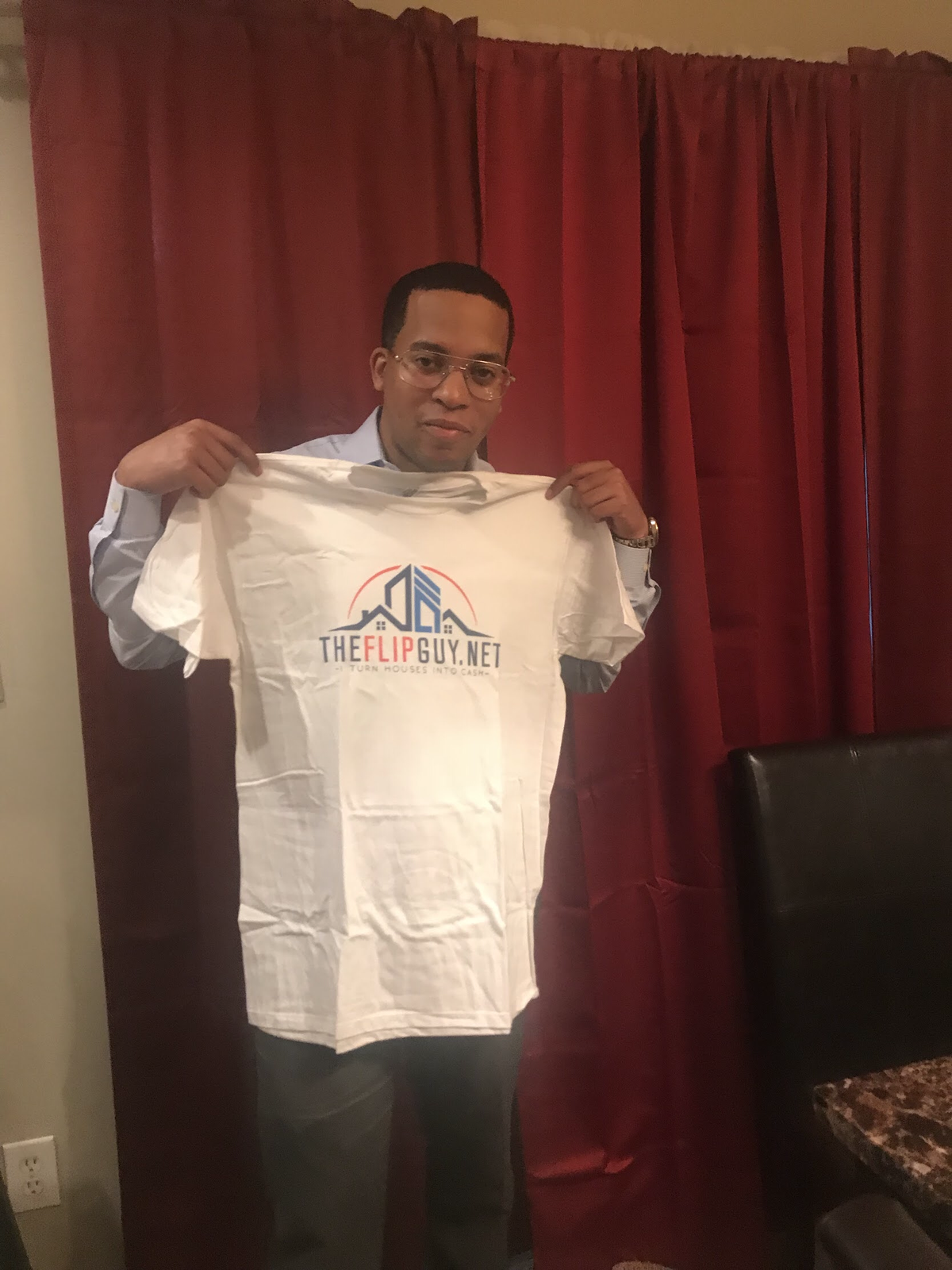
After dropping out of high school, he established a name for himself as a rapper in north Atlanta. Later, he came to Charlotte, where he started a successful real estate investment business.
Calling himself the “Flip Guy,” he produced YouTube videos to help other budding entrepreneurs, encouraging them to work hard and believe in themselves. Some of his friends were so inspired by his example that they said “they had turned their lives around because of him,” his younger brother, Joseph, said.
Hayes was outgoing and funny, often brightening rooms with his jokes, laughs and smiles, his brother said. Relatives described him as a devoted family man. In his spare time, the father of four coached a recreational basketball team.
Hayes was driving on I-77 in Charlotte early on the morning of February 11, 2018, when a speeding car driven by a drunk driver slammed into his vehicle. He and his 32-year-old passenger, Jessica Pacatte, died in the crash.
It was just one of more than 1,000 alcohol-related wrecks in Mecklenburg last year.
The impaired driver, Roy Mewborn, later pleaded guilty to involuntary manslaughter.
Hayes’ father, Phillip Hayes Sr., said he was troubled to learn that DWI arrests have plummeted.
“If cops aren’t issuing tickets, they’re allowing people out to drive a deadly weapon,” he said. “ … You don’t know who they’re going to hit.”
Bill Powers, a Charlotte lawyer who frequently represents people charged with DWI, said he fears the decline in DWI enforcement will encourage more people to break the law.
“You stop enforcing DWI laws, you start killing people,” Powers said. “It’s real simple math.”
Charlotte Observer database reporter Gavin Off, Raleigh News and Observer reporter Josh Shaffer and former Observer intern Brooklynn Cooper contributed to this report.
This story was originally published December 11, 2019 at 6:00 AM with the headline "Drunk driving arrests in Charlotte have plunged. Here’s why that could prove deadly.."
.JPG)