
Are the firing squad, electrocution constitutional? SC high court to hear issue in January
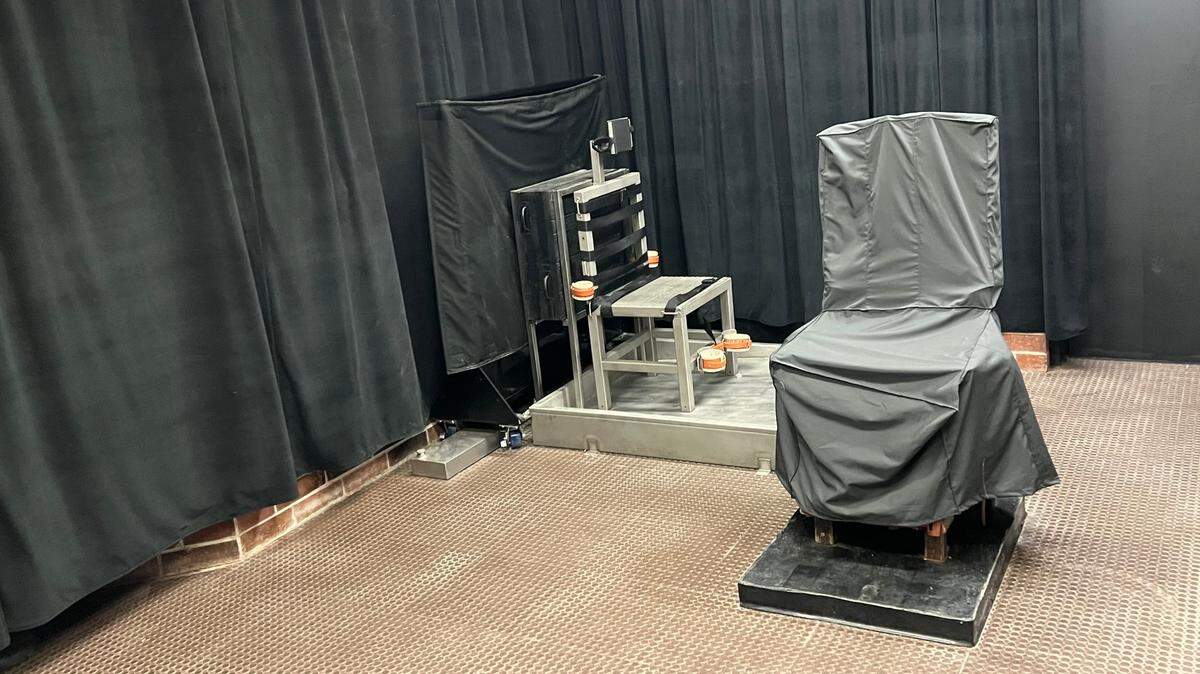
The S.C. Supreme Court will take up an appeal in January from Gov. Henry McMaster and Corrections Director Bryan Stirling of a state judge’s ruling earlier this month that both the electric chair and the firing squad execution methods are unconstitutional.
The high court said it would hear the case Jan. 12 in Conway at Coastal Carolina University in Conway. The court schedules terms of court around the state “so that local students and citizens may learn about the judicial system by experiencing it in person,” a spokeswoman said.
The Sept. 6 ruling by circuit Judge Jocelyn Newman striking down two execution methods was unusual in its sweeping nature.
Although numerous death penalty sentences and verdicts have been overturned through the years in South Carolina, those cases were largely decided on errors committed by prosecutors, judges or defense attorneys.
Newman, however, was the first state judge to rule two of the three methods approved by the Legislature to execute condemned killers are actually unconstitutional under the state’s constitution, which bans cruel, unusual or corporal punishment.
Because the state is not able to buy the drugs needed for the third approved manner of execution — lethal injection — Newman’s order effectively froze executions in the state.
Plaintiffs in the case are Freddie Owens, Brad Sigmon, Gary Terry and Richard Moore, all convicted of murder and who are sitting on the state’s death row.
Editor’s note: An earlier version of this story gave an incorrect location for the January session of court. It has been corrected to note that the Supreme Court will hold session at Coastal Carolina University.
This story was originally published September 16, 2022 at 9:06 AM.