
SC businessman pleads guilty to lying to get federal COVID loan: he bought cryptocurrency
A South Carolina businessman pleaded guilty Tuesday afternoon to unlawfully taking out a loan of government funds whose intended purpose was business-related COVID relief and instead buying cryptocurrency and a house with the money.
James Paul Seidel, 56, who operates a seafood distributorship in Fort Mill in York County, pleaded guilty to making a false statement about his intended use of approximately $200,000 in federal loan money. The crime is a felony.
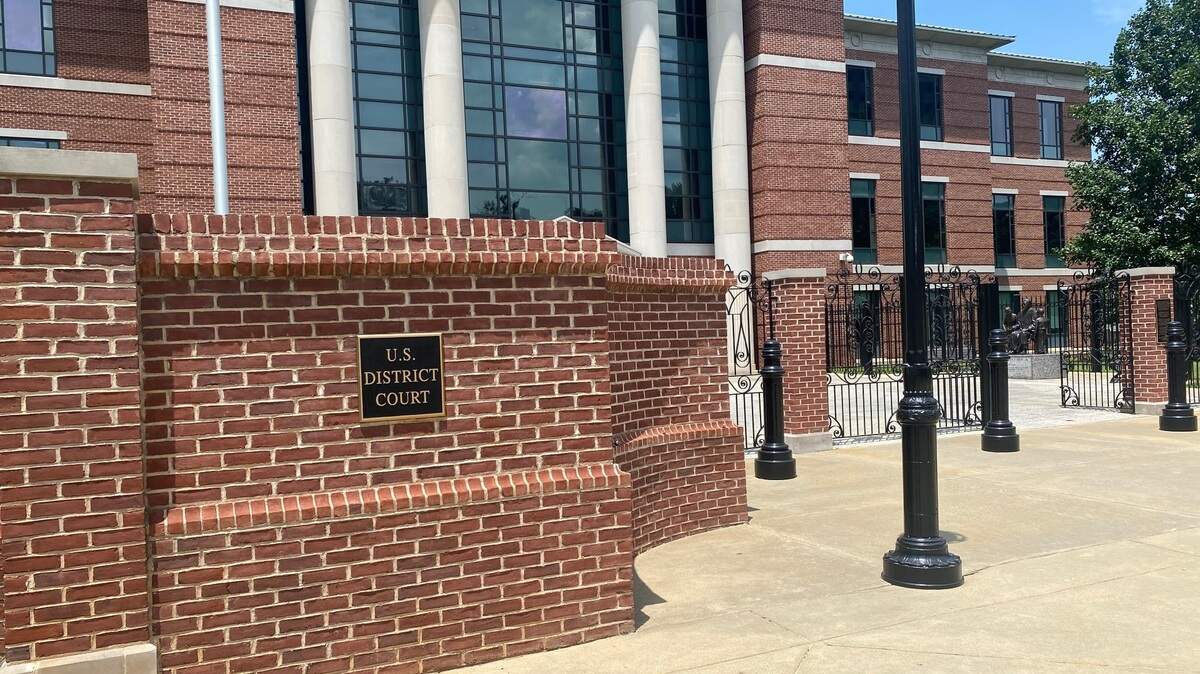
Seidel will be sentenced at a later date by U.S. Judge Mary Geiger Lewis, who presided over Tuesday’s hearing at the Columbia federal courthouse.
Under terms of a COVID relief government loan program, Seidel was supposed to spend the $200,000 on debt relief and pay off other bills at a time when business across the country was sharply down because of the COVID pandemic.
“When he applied for the loan, he knew he would not be using the money for that purpose,” federal prosecutor Winston Holiday told the judge at the hearing.
Seidel got the loan under a program administered by the Small Business Administration and, in 2021 as the pandemic raged and people stayed home, companies like Seidel’s could get up to $2 million for emergency relief. The SBA required very little documentation and loans were approved at that time in a matter of days.
Holliday did not say why Seidel used $113,000 of the loan money to buy cryptocurrency in 16 different individual transactions made through a checking account he set up in a York County bank, according to an indictment in the case.
However, many people buy cryptocurrency as an investment, or to speculate. “People own crypto mostly because they just want to earn some cash,” according to a 2022 article in Money magazine.
Seidel also spent some $80,000 of the loan money towards the purchase of a home, Holliday said.
From October 2021 to March 2022, Seidel used cryptocurrency internet exchange platforms such as crypto.com and Blockfi Trading to purchase the cryptocurrency, the indictment said. The loan funds were in the name of Grayson & Mae, Seidel’s company, the indictment said.
Holliday told the judge that unlike many people who used the COVID loan money for a fraudulent purpose, Seidel had filled out his loan papers accurately.
The loan application’s accuracy was one reason, Holliday said, that the government will be moving for a dismissal of the indictment, issued last August, and settling instead for Seidel’s admission that he falsely said he was going to use the loan money for legitimate COVID purposes when he actually used nearly all of it to buy cryptocurrency and a house. ‘
Judge Lewis took Seidel though a lengthy colloquy about the rights to a trial that he was giving up if he pleaded guilty.
“You understand that when you plead guilty, you admit the truth of these charges?” Lewis asked Seidel.
“Yes, ma’am,” said Seidel.
Seidel was represented by Jason Peavy, a former federal prosecutor, and Judah VanSyckel.
In an indictment last August, Seidel was originally charged with 16 counts of wire fraud and one count of theft of government property. That indictment will be dismissed after Seidel’s sentencing on the lesser charge.
This story was originally published July 26, 2023 at 11:09 AM.