
Richland County jail’s juvenile wing to close after unanimous council vote
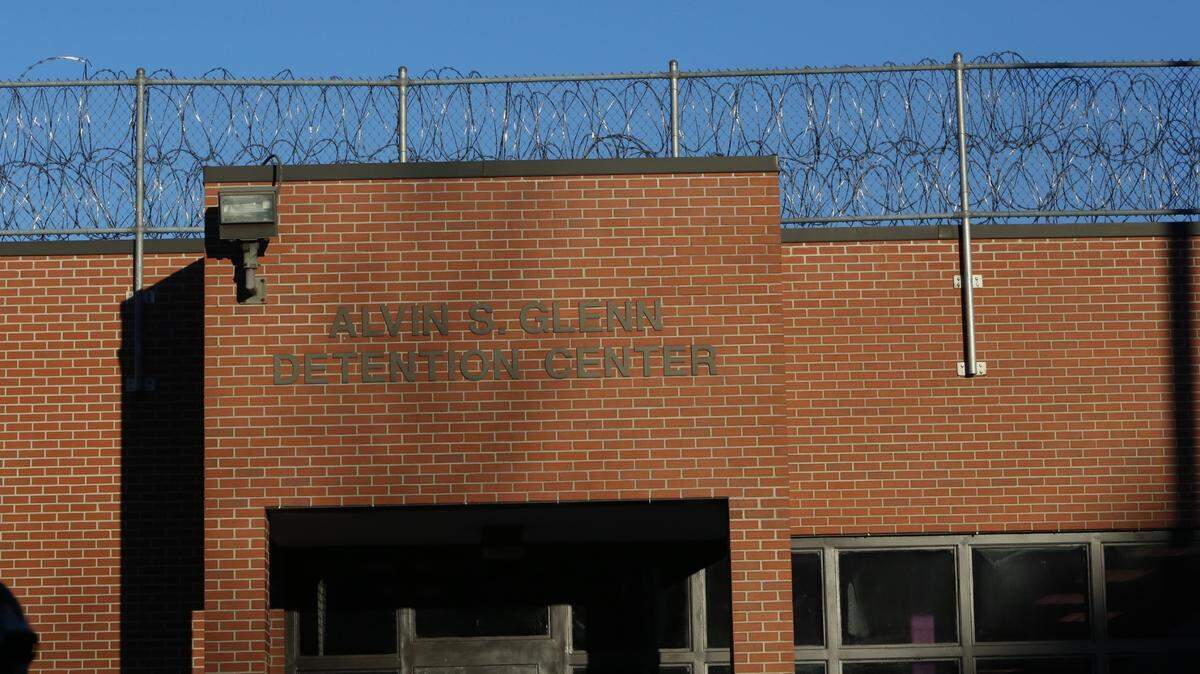
The Richland County Council has voted unanimously to close the juvenile wing at the troubled Richland County jail.
Tuesday’s vote comes after law enforcement and partners at the South Carolina Department of Juvenile Justice say they were caught unawares by the county’s plan. County officials maintain that closing the Alvin S. Glenn Detention Center’s juvenile wing is necessary for them to focus on the jail’s adult population.
“We are responsible for detaining male individuals, female individuals, who are adults and not juveniles. The state of South Carolina has given the statutory responsibility to the Department of Juvenile Justice,” said Richland County Administrator Leonardo Brown on Tuesday evening.
Closing the juvenile wing was not only a “good, solid use of taxpayer dollars,” Brown said. “Operationally, we came to the realization that this recommendation makes sense so that we can comply with the standards that we have for staffing and operational facility services for Alvin S. Glenn Detention Center adults.”
The council’s vote, following three minutes of discussion, accepted the jail staff’s recommendation, which had already been unanimously approved by the council’s detention center ad hoc committee.
About 27 juveniles currently housed in the Alvin S. Glenn Detention Center will now be moved to the state Department of Juvenile Justice. Law enforcement agencies will now send teens arrested in Richland County to the Department of Juvenile Justice, which maintains a facility on Broad River Road, outside of Columbia.
“We’re not just throwing them out. There’s also a transition period that we’re going through,” said councilperson Cheryl English. “We’re being nice, we’re playing nice in the sandbox.”
Following the initial approval of the plan by the council’s detention center ad hoc committee in May, representatives from the Department of Juvenile Justice expressed concerns about the plan and the lack of communication.
“Our facilities are already extremely overcrowded; and adding additional youth to facilities, it just exacerbates those overcrowded conditions,” said DJJ spokesperson Michelle Foster.
By statute, the county will have to pay DJJ $50 per juvenile per day, but that was not sufficient to cover costs, Foster said.