
Former Midlands superintendent can question school board members who sued him, judge rules
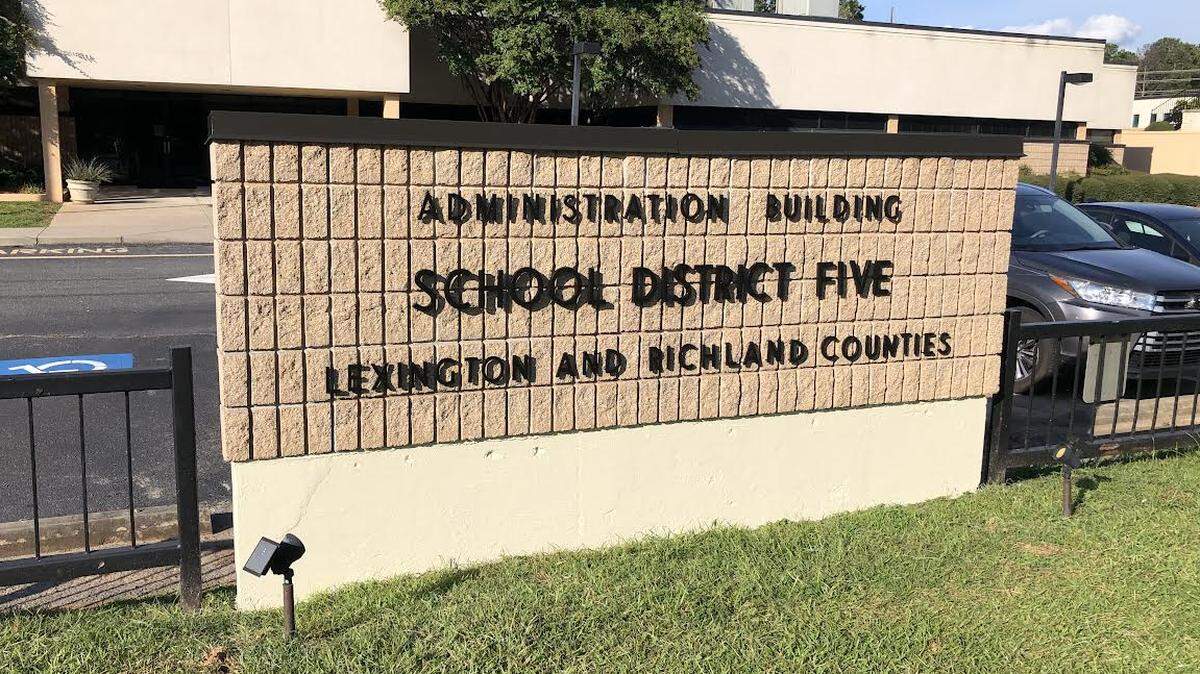
A former Midlands school superintendent can question members of a local school board about their decision to file a lawsuit against him, a federal judge ruled Thursday.
The decision moves forward a long-running legal dispute between the Lexington-Richland 5 school board and former superintendent Stephen Hefner in a dispute that questioned the controversy around the hiring of a new superintendent, and the departure of the previous head of the Chapin-Irmo area school district.
Judge Paige Gossett denied the defendants’ request that they be protected from having to answer certain questions from Hefner, based on their legislative privilege as members of a public school board.
Gossett ruled the privilege “applies only to legislative acts, not administrative, executive, or ministerial ones.” She cites court precedent that a public body’s action can be considered administrative “singles out specifiable individuals” rather than dealing generally with public policy.
The Lexington-Richland 5 School Board filed suit against Hefner in 2021, claiming he had “interfered” in the school district’s contractual relations when he and other former district officials wrote a letter to the district’s accrediting agency Cognia, asking for a review of the contract Lexington-Richland 5 had signed with its interim superintendent, Akil Ross.
The letter was critical of the arrangement, in which the district contracted for “superintendent services” with Ross’ education consulting firm, HeartEd LLC, rather than hire Ross directly as a district employee.
The dispute about the superintendent’s position came only after the previous superintendent and Hefner’s successor in the job, Christina Melton, suddenly resigned in June 2021 after repeatedly butting heads with members of the school board.
The school board voted to drop the lawsuit nearly a year later without the case going to trial, but Hefner has continued to press a counterclaim against the school district, calling the suit government retaliation for the former superintendent speaking out on the issue.
But Hefner contends he was stonewalled in his attempts to question individual board members — former board chair Jan Hammond and vice chair Ken Loveless, and current board member Catherine Huddle — who claimed the legislative privilege in refusing to answer some of the former superintendent’s questions about their lawsuit. Hefner is suing the three board members individually along with the school district.
In her ruling, the judge characterizes the matter at the heart of the case as essentially an employment dispute — whether the district should have contracted with HeartEd LLC rather than with Ross individually, which Gossett said places the matter in the administrative realm.
“The decision to sue Dr. Hefner ostensibly to protect its contract with Dr. Ross’s consulting firm directly flowed from that administrative personnel decision,” Gossett wrote.
Attorneys for the defendant tried to characterize the lawsuit as an attempt to protect Lexington-Richland 5’s accreditation, which they argued could have been put at risk by Hefner’s letter to the accrediting agency. “However, the District’s Complaint itself recognized that the District’s accreditation was not in danger,” Gossett wrote.
Gossett did not, however, rule against another claim made by the defendants: that their discussions with a school board attorney in a closed-door executive session were protected from disclosure by attorney-client privilege.
“The court disagrees that a waiver of the attorney-client privilege has occurred,” the judge says in her ruling. “But the motion for a protective order does not provide sufficient information to determine if the privilege necessarily applies to every statement that occurred in executive session.”
The court will allow the defendants to assert the attorney-client privilege during questioning, and any dispute about its appropriateness could end up back before the court.
.jpg)