
‘He’s not a monster.’ Son of South Carolina man set to be executed asks for clemency
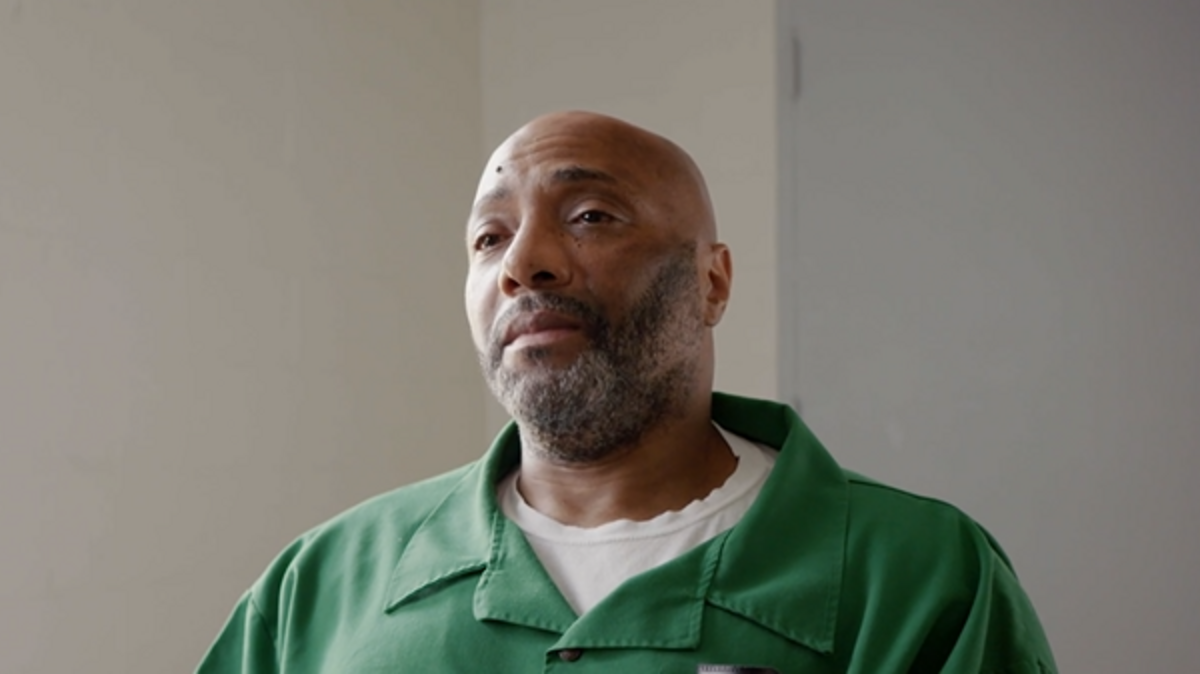
Lyndall Moore was just 4 years old when his dad, Richard Moore, was arrested and charged with murdering a store clerk in a robbery gone wrong. Lyndall was 7 when his father was convicted by a nearly-all white jury and sentenced to death.
His family tried to protect Lyndall and his siblings from understanding the full weight of their dad’s crime and his sentence, but the full story came out, piece by piece. By the time he was 10, he understood that his dad was in prison because “someone had hurt him and he hurt the other person worse,” but there always seemed to be a cloud of uncertainty of just when his dad would be coming home, Lyndall told The State.
But it wasn’t until he was a teenager that he understood what that meant.
In 2001, Richard Moore was sentenced to death for shooting and killing James Mahoney, a 42-year-old store clerk, in what prosecutors say was an armed robbery. He is scheduled to die by lethal injection on Friday, Nov. 1 inside the state death chamber on Broad River Road in Columbia.
In court filings, Moore — who didn’t take a gun into the store — has maintained that an altercation over change led to Mahoney drawing a gun. When Moore disarmed him, Mahoney drew another gun and the two men shot at each other. Both men were shot but Mahoney died from his wounds.
A witness in the store said that Moore also turned and shot at him and he only survived by playing dead.
Prosecutors say that Moore, who was addicted to drugs and had recently lost his job, was trying to rob the store for money to buy crack cocaine.
“He’s not some sort of monster,” Lyndall, now 30, told The State in an interview. “He’s not some sort of ‘worst of the worst’ kind of guy. He’s just a dad who struggled with drug addiction, and that led to a lot of poor decision-making and just the bad situations that that led up to where we are now.”
“But, he’s just a guy who struggled, but always a guy with a good heart, you know, a normal guy trying to be a good father.”
Because Moore was unarmed when he entered the store, his attorneys have argued that his case is a disproportionate application of the death penalty. While the South Carolina Supreme Court in 2022 upheld his sentence, in her dissent to the majority opinion, Justice Kaye Hearn wrote that she had never seen another case where someone had not brought the weapon to the armed robbery was sentenced to death.
Lyndall and his dad talk regularly, but that wasn’t always the case. There was a period in his teens when Lyndall said he wasn’t interested in maintaining a relationship, but his dad always made it clear that he was there, Lyndall said. But in his 20s, the two started talking again and rebuilt a relationship.
In their conversations, his dad told him about a normal childhood growing up in southeast Michigan with parents who worked in the auto industry. But he fell into a bad crowd in the midst of the crack cocaine epidemic, which overwhelmingly impacted Black communities.
But for the most part, the two talk about “regular stuff,” like movies, sports or TV shows.
“He’s just a regular dude. Laid back, very smart. Just a normal guy,” Lyndall said.
In prison, Moore, now 59, has maintained a nearly spotless record, with just two minor infractions: one for taking Skittles outside of his cell and the other for using foul language towards a staffer. Both occurred more than twenty years ago.
Jon Ozmint, the former director of the South Carolina Department of Corrections, even went so far as to twice draft support Richard Moore’s clemency. It is the first and only time Ozmint, who describes himself as a supporter of the death penalty, has ever supported a petition for clemency, he said in the 2020 letter.
In a letter from his 2020 clemency petition, Ozmint wrote that Moore was “one of several reliable and respected inmates on the row.” Urging Gov. Henry McMaster to commute Moore’s sentence to life without parole, Ozmint wrote that he believed Moore could be “an influential force for good in general population, with an ability to have a positive impact on the most recalcitrant and hopeless of young offenders.”
Throughout his time in prison, Moore has lived “as a follower of Christ,” Ozmint wrote. Moore has “continued to live an exemplary life” despite repeated defeats in court.
“In that regard, our criminal justice system has already achieved its highest and most lofty purpose in the life of Richard Moore,” Ozmint wrote.
Reflecting on his dad’s appeals, and the chances of clemency from McMaster, who previously said he had “no intention” of commuting Richard Moore’s sentence, Lyndall said he wanted people to think deeply about his father, his life and the crime that might see him put to death.
“Just really understand it,” Lyndall said. “Understand the context of what kind of person he is and if this sort of sentence is really justified given what happened and the upbringing and history that led him to that situation. Really understanding that he’s just a guy who struggled with addiction but he’s not a monster, he’s not a bad person.”
This story was originally published October 23, 2024 at 5:00 AM.