
Richland County’s legal bills in justice department jail probe top $600,000 in 9 months
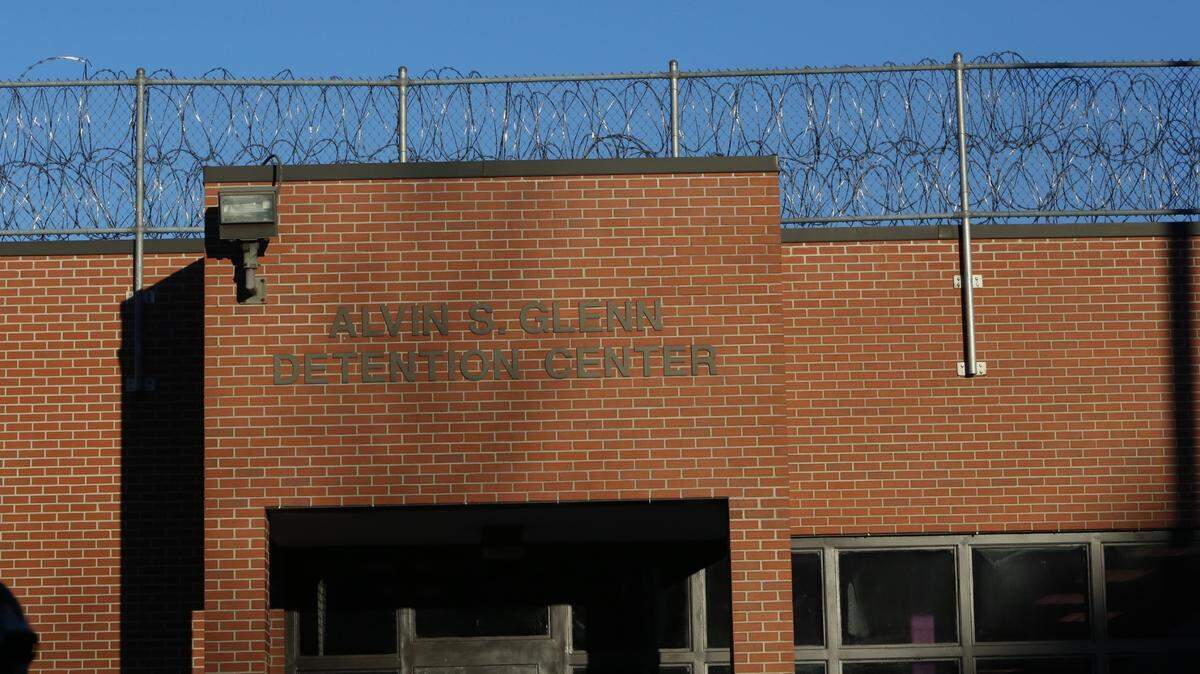
Since December 2023, Richland County has spent over $600,000 on lawyers hired after the U.S. Department of Justice opened an investigation into the county’s troubled jail.
Records obtained by The State newspaper show that the county was billed $679,331.84 for legal work performed by two prominent law firms — Maynard Nexsen and the Wyche Law Firm — hired by the county officials to conduct their own investigation into the jail and coordinated with Justice Department investigators, according to a statement released Thursday.
From Dec. 4, 2023, to Aug. 5, 2024, the Wyche Law Firm billed the county $411,942.82. Maynard Nexsen billed the county $267,389.02 from Feb. 12, 2024 to Aug. 13.
In November 2023, two weeks after the Department of Justice announced its investigation, Richland County announced the hiring of two former federal prosecutors, Mark Moore from Maynard Nexsen and Jim May from the Wyche Law Firm, to represent the county during the investigation.
Moore and other partners, or shareholders, at Maynard Nexsen billed at a rate of $475 an hour, according to documents. Associates billed at a rate of $275 an hour, while law clerks billed between $115 and $125 an hour.
In 2023, the county budgeted $28,811,628 for the Alvin S. Glenn Detention Center, up roughly $6 million from the previous year.
“They have extremely capable lawyers who are worth every penny. They went out and got some of the best lawyers in the state to defend them,” said Bakari Sellers, a former state representative and attorney with the Strom Law Firm.
Sellers has sued the county in 10 cases involving inmates. One of those cases is the death of inmate Lason Butler, who died of dehydration while suffering a mental health episode inside of the Alvin S. Glenn Detention Center in February 2022. Other lawsuits filed by Sellers on behalf of inmates have outlined grim conditions inside of the jail due to understaffing, violence, overcrowding and lack of medical care. One inmate lost an eye after an alleged beating, another inmate accused guards of leaving him a cell to bandage his wounds with toilet paper after being stabbed.
“I wish though they would have the same level of sensibility and priority to fix the detention center,” Sellers said. “They are doing what’s necessary to represent their own interest, they are not representing the interest of the citizens they are supposed to care for.”
In public statements and in court, representatives of the county have argued that they are addressing the problems that led the jail to a breaking point and continue to meet a minimum standard of care. To address these concerns, the county is in the process of renovating housing units and installing new locks throughout the facility. The county also hired private security company Allied Universal to supplement detention center officers.
County Attorney Patrick Wright did not respond to The State’s request for comment.
In September, Richland County Councilman Don Weaver told TV station WIS that the county council did not vote to hire outside attorneys.
During a closed meeting on the jail that November, the county attorney told council members that they may have to hire an outside firm, “if necessary.”
While Weaver said they “didn’t say no,” there was never a formal vote.
Following Weaver’s interview, Richland County administrators defended their actions, saying that the annual budget provided funding for the county attorney to hire outside counsel and other professional services.
Obtaining outside attorneys’ services is under the authority of the county attorney and exempt from standard purchasing reporting requirements and procedures, according to the statement from the county administration.
The county administration also implicitly admonished Weaver, saying that South Carolina’s Freedom of Information law “does not give individual elected officials the ability to breach that privilege and share details of what is discussed during executive session.”
However, the state Freedom of Information Act’s says it’s “vital” that “public business be performed in an open and public manner.” Nothing in the law prevents a council member from discussing in public what was said in a private session about spending public money.
Columbia attorney Stuart Andrews, who represents advocacy group Disability Rights South Carolina in a class action lawsuit against the county over the treatment of inmates with mental illness, said the question remains why, after hiring “top of the line” law firms, and being willing to attend mediation with his clients, the county remains unwilling to engage with the Department of Justice. “Why would the county impede efforts to sit around the table and reach an agreement about not only what needs to be done to ensure that the quality of care is of the best order but also to ensure that this debacle won’t occur again?” Andrews said.
“All of the parties know enough about the nature of the problems and the operations of the jail to develop a sustainable and permanent plan for remediating them, so there’s no need to continue to kick this can down the road,” said Andrews with the Burnette Schutt & McDaniel law firm.
During a hearing in federal court last Wednesday on Disability Rights’ lawsuit, lawyers for the county and Andrews said there had been unsuccessful attempts at mediation in their case.
“I would encourage you to continue to talk... now might be the ideal time to make a resolution,” Magistrate Judge William Brown told both sides. He warned that a trial would be a “significant undertaking.”
Last November, following escalating reports of violence and disorder at the jail, the Department of Justice announced that it was formally opening an investigation into the Richland County facility, along with the Sheriff Al Cannon Detention Center in Charleston.
The investigation of the Alvin S. Glenn Detention Center was directed at examining allegations of whether the jail failed to protect inmates from violence and subjected them to dangerous living conditions.
The Department of Justice’s investigation into the jail is “ongoing,” said Veronica Hill, a spokesperson for the U.S. Attorneys Office for South Carolina.
This story was originally published November 18, 2024 at 2:50 PM.