
SC cyberstalker who falsely accused woman of bomb threat convicted after FBI investigation
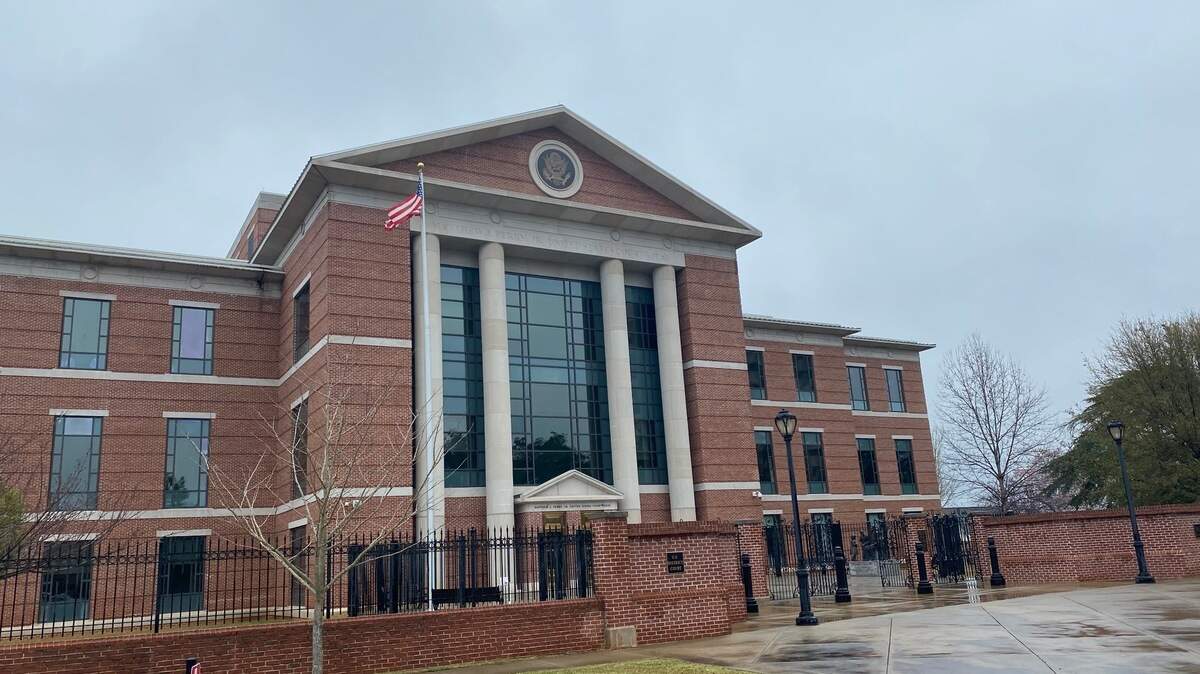
A 28-year-old Lexington County man who pleaded guilty Wednesday in Columbia to the federal crime of cyberstalking was arrested earlier this year with the help of the FBI’s National Threat Operations Center in Clarksburg, West Virginia.
Daquan Xavier Anthony waged a cyber terror campaign during a five-month span in 2022 and 2023 against an unnamed Columbia-area victim, sending false and anonymous digital communications about her to the National Threat Operations Center, according to evidence in the case. The victim was a person with whom Anthony had previously had a relationship.
Anthony used false names when making the phony threats on the National Threat Operations Center platform, according to evidence in the case.
The National Threat Operations Center is a clearing house for all telephone and digital tips that come into the FBI, from missing children to counter terrorism. Threats are evaluated by analysts and those warranting further investigation are sent on to FBI offices in relevant states.
In his phony digital communications, Anthony told the FBI that the victim intended to bomb the Columbia area Blue Cross/Blue Shield headquarters building, hospitals in the Midlands, the FBI, and assassinate the president, according to a transcript of testimony by FBI Special Agent Phil Jeffries at a detention hearing for Anthony last May.
In another false tip, in January 2023, Anthony claimed that the victim was “part of a terrorist cell” that planned to attack the government including the White House, Jeffries testified. Jeffries works on an FBI cyber squad.
Anthony was identified in part by the IP address on his computer, Jeffries testified. The IP (internet protocol) address is a unique number assigned to each device connected to the internet.
Federal prosecutor Elliott Daniels told Judge Joe Anderson on Wednesday that Anthony’s bomb threats had led to numerous evacuations of the Blue Cross/ Blue Shield office building and caused law enforcement to spend considerable time investigating the threats.
The threats placed the victim in fear of her life and inflicted “severe emotional distress” on her, Daniels said. The victim has since left her job and moved out of state, the prosecutor said.
Anthony also made several false tips about the victim to Richland County Crime Stoppers, Daniels said.
“Is that a correct summary of your case?” Judge Anderson asked Anthony after hearing from Daniels.
“Yes, sir,” replied Anthony, a stocky man of medium height who wore a jail jump suit and wore handcuffs and ankle chains. Anthony, who has been in jail since his arrest earlier this year, is represented by Columbia attorney Lowell Bernstein.
Anthony will be sentenced at a later date.
The maximum penalty for cyberstalking is a five-year prison sentence and a $250,000 fine. Judge Anderson said restitution is a possibility. It is a fairly rare crime in South Carolina. Federal officials could not recall anyone else being charged with cyberstalking in this state.
Cyberstalking is a crime of the modern age. In 1996, Congress passed the Interstate Anti-Stalking Punishment and Prevention Act, which made it clear that using email or other digital communications to threaten someone was a federal crime.
To prove a cyberstalking case, the government has to show the perpetrator intended to kill, injure or intimidate the victim, use a device that electronically connects to a multi-state electronics service and put the victim in fear of death or injury, or caused severe emotional distress.