
Information about complaints against SC judges will be released to the public
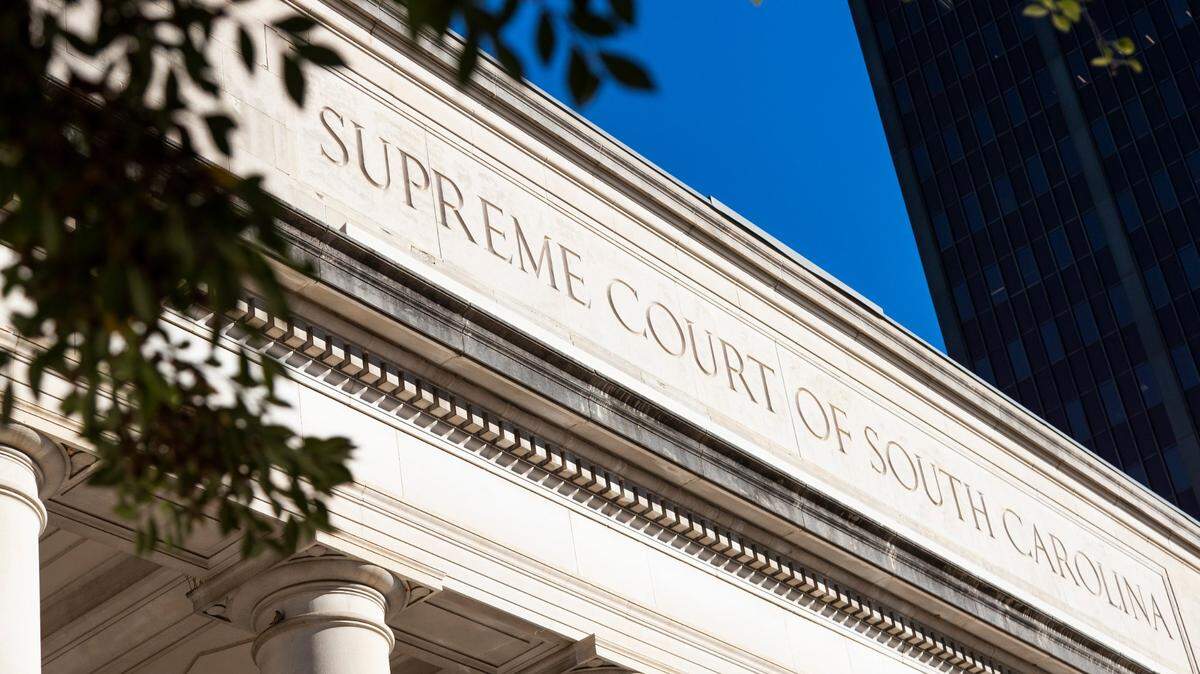
For the first time, summaries of complaints against sitting South Carolina judges and actions taken will be made public, the State Supreme Court ordered Wednesday.
However, the names of the judges criticized will be redacted from the summaries of the complaints and resolutions, according to an order signed by all five justices.
Up to now, complaints against South Carolina judges and their outcomes have been shrouded in secrecy.
“We believe there is a need to better balance the existing rules of confidentiality in judicial disciplinary matters, with the right of the public to know how cases are being resolved,” justices wrote in their Wednesday order.
“Such knowledge and understanding are critical to ensure the public has confidence that ‘an independent, fair and competent judiciary will interpret and apply the laws that govern us’,” justices wrote.
Veteran media lawyer Jay Bender hailed the court’s order as a major step forward in transparency for the state judiciary — a group of highly paid state public servants whose actions subject to discipline have been shielded from public scrutiny.
“The Supreme Court has moved dramatically in the right direction here,” said Bender, who was speaking on behalf of the S.C. Press Association and who also represents The State Media Co. and others. Secrecy surrounding judicial discipline “has eroded public confidence in the process.”
“It’s an effort to balance those circumstances where there’s legitimate need for confidentiality — you don’t want to besmirch someone’s reputation where the complaint is dismissed because it’s from a nut case,” Bender said.
The order says the Council for the Commission on Judicial Conduct, a group that investigates charges of judicial misconduct and reports to the Supreme Court, will prepare quarterly reports on judicial discipline. The first one is due no later than Nov. 1 and is to contain information on all cases “dismissed or resolved” on or after July 1.
The order notes that any major disciplinary proceeding against a judge that resulted in dismissal or suspension from the bench already would have been made public over the years.
But from now on, a host of lesser legal complaints and resolutions will be made public in summarized fashion.
Summaries of dismissed complaints “must identify the type of judge named in the complaint” as well as a brief statement of the allegations and state a basis for dismissal, the order says.
Summaries of confidential resolutions of complaints must contain a brief statement of the nature of the misconduct and reveal whether a letter of caution, confidential admonition, or deferred discipline agreement was issued or imposed, the order said.
John Crangle, an attorney and government ethics watchdog, applauded the Supreme Court’s order.
“The public is entitled to know what their public servants are doing, including the judges,” Crangle said. “I think the Supreme Court’s decision is a very wise one. I think the public will benefit from it.”
The Supreme Court’s order applies only to state judges, not federal ones.
This is a breaking news story and will be updated.