From SC to China: Little turtles at center of alleged international crime

In Pat Conroy’s book, The Great Santini, Col. Bull Meecham ran over Eastern box turtles for fun, to hear them go pop! on the highway.
But in real life, another peril awaits the endangered little turtles — being kidnapped from South Carolina and mailed to China.
On Tuesday, Long Si Lieu, of California, an alleged turtle smuggler stood in federal court in Columbia and pleaded not guilty to one count each of illegally trafficking in federally protected wildlife, smuggling protected wildlife and applying false labels. They are felonies.
Lieu was dressed in a black shirt and black pants. At his side stood his court-appointed attorney, Lowell Bernstein, of Columbia. Bernstein declined comment.
Assistant U.S. Attorney Elle Klein told Magistrate Judge Thomas E. Rogers III that Lieu had unlawfully gotten South Carolina Eastern box turtles and mailed them to Hong Kong.
“He would travel from California to the East Coast, to include South Carolina, and mail the little turtles from U.S. post offices, shipping them to Hong Kong,” Klein said.
Lieu’s arraignment — a formal reading of criminal charges against a defendant — was the latest event in a lengthy battle of South Carolina state and federal law enforcement agents in an ongoing fight against unlawful international turtle trafficking.
It follows the recent appearance in court of Jason Phun, a California man also indicted for his alleged role in illegal turtle trading by a South Carolina grand jury on the same day that Lieu was — Dec. 9, 2025.
Like Lieu, Phun was charged with violating the Lacey Act, smuggling and using false labels.
An indictment against Phun similar to that of Lieu’s accuses him of smuggling Eastern box turtles, land-dwelling reptiles that wildlife officials say are often seen in fields, forests and neighborhoods.
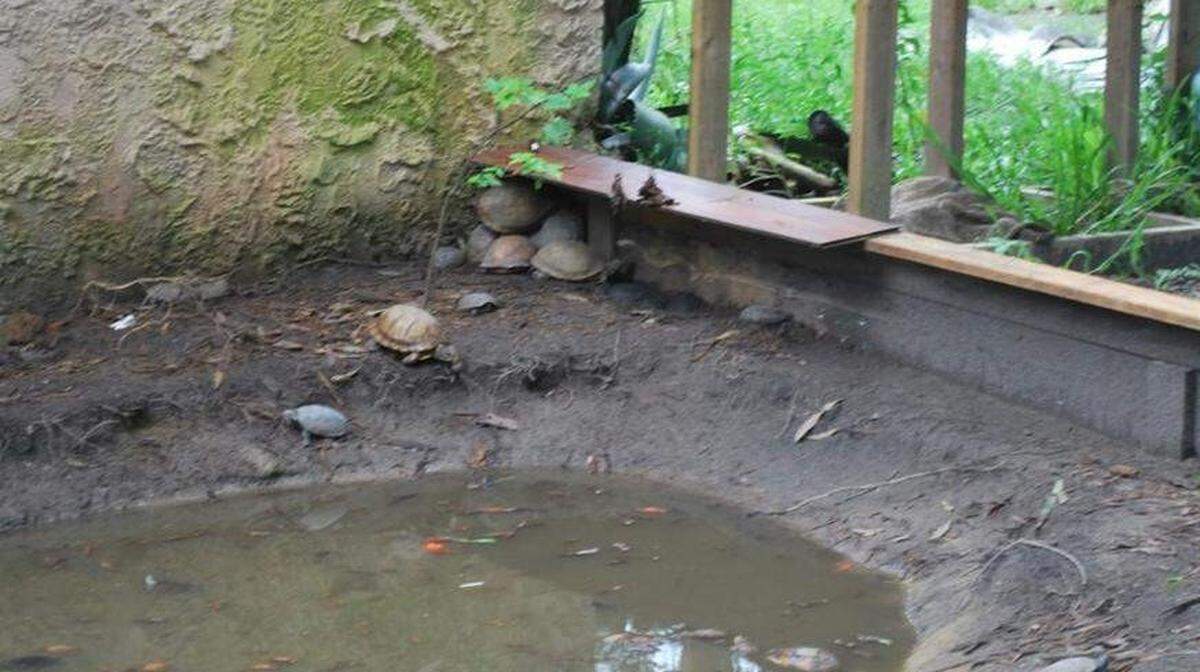
The Eastern box turtle is found east of the Mississippi and is the most common terrestrial turtle in the eastern United States, according to the N.C. Wildlife Resources Commission. The box turtle can disappear completely into its shell when threatened and can live up to 100 years, according to the indictments against Lieu and Phun.
South Carolina has historically had weak laws governing the worldwide reptile trade. That has left the federal government, in many cases, to handle wildlife criminal cases through existing statutes.
The U.S. Attorney’s office declined to say if the Lieu and Phun cases are related, even though they apparently are. The cases also have the same prosecutor.
The wildlife trade goes both ways, with some exotic turtles smuggled into South Carolina. But often, the trade involves capturing native reptiles, such as box turtles, and shipping them to Asia and other places. Turtle traders will sometimes pay locals to find box turtles and sell them to the traders. South Carolina turtles are often sought as food or as pets in other countries.
Traders have gotten creative at times, at one point smuggling turtles in candy wrappers and labeling shipping boxes as containing snacks. Critics say turtle smuggling is a cruel practice that also can deplete native populations, upsetting the balance of nature.
After The State chronicled South Carolina’s wildlife trading shortcomings in a 2018 investigative series, the Legislature tightened the law in an effort to better protect turtles, including the box turtle. But those efforts didn’t stamp out turtle trading. The state also has relatively weak laws on the ownership of venomous snakes.
The United States is one of 183 countries that signed a treaty called the Convention on International Trade in Endangered Species. Another law in play in this case is the Lacey Act, which prohibits illegal trade in endangered species.
Lieu, who is under $5,000 bond, was allowed to leave court on his promise to return. He has also agreed to enter in-patient drug treatment for methamphetamine, court officials said.
Consequences of turtle smuggling can include prison.
Last year Sai Keung Tin, a Chinese citizen, was sentenced to 30 months in federal prison for his role in smuggling protected turtles from the U.S. to Hong Kong. He pleaded guilty to four counts of exporting merchandise contrary to law, according to the U.S. Justice Department.
Smuggled turtles have a market valuation of $2,000 per turtle, the Justice Department said.
This story was originally published April 1, 2026 at 6:20 AM.